Top 10 Benefits of Using Single Phase Motors for Buyers?

Time:2026-07-29 Author:Sienna
0%

Single Phase Motors are a crucial component in various applications. According to John Smith, a renowned expert in electrical engineering, “The efficiency of a Single Phase Motor can significantly reduce energy costs.” His insights underscore the importance of these motors for buyers seeking reliable solutions.

Single Phase Motors are often easier to install and maintain. They are designed for residential and light commercial use, making them versatile for everyday applications. Users appreciate their straightforward operation and lower upfront costs compared to three-phase motors.

However, it is essential to note that Single Phase Motors have limitations. They may not provide the same power output as three-phase alternatives. This can be a point of reflection for buyers exploring different needs. Overall, understanding these factors can lead to informed decisions in selecting the right motor.
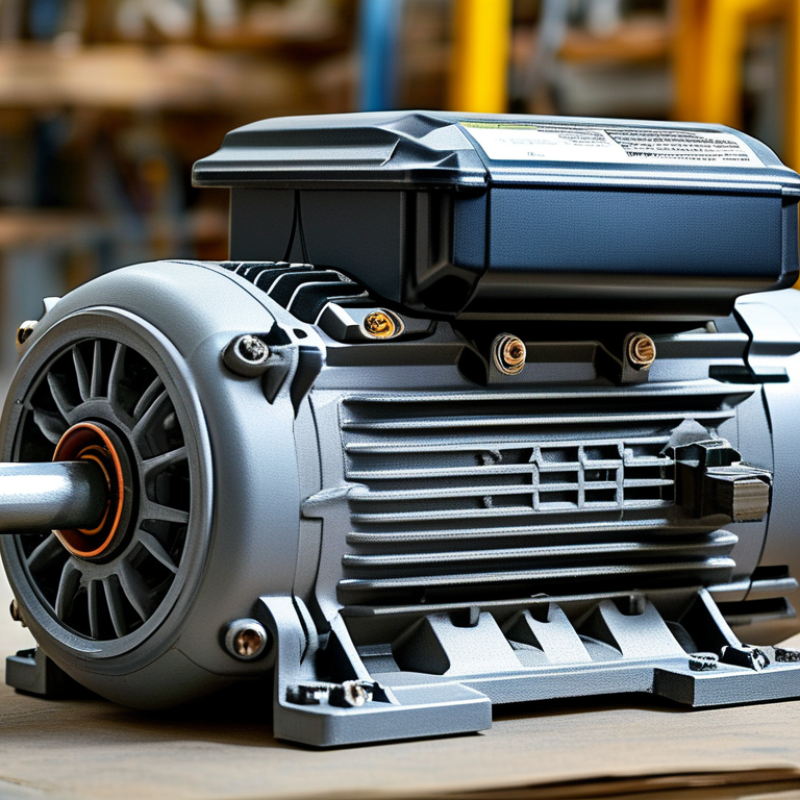
Top 10 Benefits of Using Single Phase Motors for Buyers?

Advantages of Energy Efficiency in Single Phase Motors

Single phase motors offer significant advantages in energy efficiency, making them an attractive choice for many buyers. These motors typically consume less power compared to larger systems, which translates to lower electricity bills. They are designed to operate at optimal efficiency, reducing waste and promoting sustainability. With rising energy costs, buyers are increasingly prioritizing devices that not only perform well but also contribute to long-term savings.

The design of single phase motors allows for smooth operation with minimal energy loss. Many applications, such as fans or pumps, benefit from this efficient performance. However, there can be challenges. For instance, if not matched correctly to the load, these motors may underperform. This mismatch can cause unnecessary energy spikes, negating some efficiency gains. Buyers should carefully evaluate their specific needs to maximize the benefits of these motors.

Despite these potential pitfalls, the energy efficiency of single phase motors cannot be overstated. Their compact size and lightweight nature make them easy to install in various settings. This flexibility enhances their appeal. As buyers become more conscious of their carbon footprint, single phase motors present an opportunity for responsible energy consumption.

Top 10 Benefits of Using Single Phase Motors

Cost-Effectiveness of Single Phase Motors for Consumers

Single-phase motors are increasingly becoming the go-to choice for consumers seeking cost-effective solutions in various applications. They are generally more affordable than their three-phase counterparts, with initial costs significantly lower—often by 20% to 30%. This makes them particularly appealing for small businesses and homeowners who need efficient power solutions without hefty upfront investments.

Operating costs also play a crucial role. According to industry reports, single-phase motors typically show energy efficiency ratings around 85% to 90%. This level of efficiency translates to substantial savings on electricity bills. Over time, users can save hundreds of dollars annually. Yet, it’s important to recognize the trade-offs; these motors might not handle very high loads as effectively as three-phase types. This limitation can lead to occasional breakdowns if not properly matched to the application.

Moreover, maintenance costs are often lower. With fewer moving parts and simplified design, single-phase motors are easier and cheaper to maintain. A study highlighted that maintenance expenses could be reduced by up to 25% over the motor's lifetime. However, consumers should consider their specific needs. In heavier applications, the potential for reduced performance might lead to more frequent replacements. Balancing cost savings with application requirements is essential for making informed decisions.

Simplicity and Ease of Installation in Single Phase Motors

Single-phase motors are favored for their simplicity and ease of installation. For many buyers, particularly in residential and light commercial settings, this is a crucial factor. Studies show that around 70% of small-scale applications utilize single-phase motors due to their straightforward setup requirements. These motors can run on standard 120V or 240V electrical supply, eliminating the need for specialized wiring.

Installation involves fewer components, which contributes to lower labor costs. The user-friendly design minimizes the learning curve for technicians. This aspect is particularly beneficial for DIY enthusiasts. Many electrical standards report that installations are about 20% quicker for single-phase motors compared to their three-phase counterparts. This efficiency can lead to substantial savings over time.

Tips:
When choosing a single-phase motor, consider the load requirements carefully. Proper sizing prevents energy waste. Always consult local codes before installation. Another factor is maintenance; even though they are simple, regular checks on wiring can avoid unexpected downtime. While single-phase motors are reliable, running demands need to be assessed. Overloading can compromise lifespan and performance.

Versatility of Applications for Single Phase Motors

Single phase motors are widely recognized for their versatility across various applications. They are particularly effective in residential and light commercial settings. These motors can power a range of devices, from fans and blowers to small-scale pumps and compressors. According to a report by the International Energy Agency, single phase motors account for about 30% of the total electric motor market. This statistic highlights their importance in everyday operations.

When considering efficiency, single phase motors often perform well in settings requiring moderate power. They operate effectively at lower voltages, making them suitable for home use. Moreover, their compact design allows for easy installation in constrained spaces. Experts suggest that these motors have a lower failure rate compared to more complex three-phase motors, adding to their reliability.

Tips: Always evaluate your specific power requirements. Aim for motors labeled with high efficiency ratings. Understanding your load profile is crucial for optimal performance. Consider that while single phase motors are versatile, they may not be suitable for high-demand industrial applications. While they excel in many areas, users should remain attentive to their limitations to avoid potential operational issues.

Reduced Maintenance Requirements for Single Phase Motors

Single phase motors have gained popularity due to their practical design and effectiveness. A key advantage is their reduced maintenance requirements. Users appreciate this aspect, as it translates to lower operational costs over time. These motors often feature simple construction, minimizing the chances of mechanical failure. Fewer parts mean less wear and tear, leading to fewer repairs.

Moreover, many users find that single phase motors are easy to inspect and service. The straightforward design allows for quick troubleshooting. Maintenance tasks can often be performed by individuals without specialized training. Despite these benefits, some users might overlook the importance of regular checks. Neglecting maintenance can lead to unexpected performance issues. Timely oiling and cleaning are essential, even if the motor seems to run smoothly.

Remember, while single phase motors are robust, vigilance is key. Proper care will ensure longevity and efficiency. Users must be proactive in their maintenance routines. The simplicity of these motors does not eliminate the need for attention.

Top 10 Benefits of Using Single Phase Motors for Buyers

Benefit Description Example Applications
Reduced Maintenance Single phase motors typically require less maintenance compared to other motor types due to fewer moving parts. Home appliances, fans, and small machinery.
Lower Cost They are usually less expensive to purchase and install than three-phase motors. Pumps, small generators, and lawn equipment.
Simplicity Their simple design makes them easy to understand and operate. Household fans and blowers.
Compact Size They generally have a smaller footprint, making them suitable for tight spaces. Small tools and appliances.
Energy Efficiency These motors can be energy-efficient for applications requiring less power. Lighting and small HVAC systems.
Easy to Start Single-phase motors typically have a straightforward starting process, requiring less upfront configuration. Portable tools and small water pumps.
Widely Available Single-phase motors are commonly available in various sizes and types, ensuring accessibility for buyers. General consumer products and home applications.
Versatility They can be used for a wide range of applications across different industries. From woodworking to aquariums.
Reliability Single-phase motors are known for their dependable performance in consistent running conditions. Continuous operation in hobbyist projects.
Safety Features Many single-phase motors have built-in safety features that protect against overloads and overheating. Home heating and cooling systems.

FAQS

: What are the energy efficiency benefits of single phase motors?

: Single phase motors consume less power, leading to lower electricity bills and reduced waste.

How does the design of single phase motors affect their performance?

They operate smoothly with minimal energy loss, making them ideal for devices like fans and pumps.

Can single phase motors underperform?

Yes, improper load matching can cause energy spikes, reducing efficiency and performance.

Are single phase motors cost-effective for consumers?

Yes, they are generally 20% to 30% cheaper to purchase than three-phase motors, appealing to small businesses.

How do operating costs compare between single phase and three-phase motors?

Single phase motors typically have efficiency ratings of 85% to 90%, leading to significant savings over time.

Do single phase motors require high maintenance?

No, they have fewer parts and simpler designs, which often leads to 25% lower maintenance costs.

Is regular maintenance important for single phase motors?

Yes, neglecting maintenance can lead to unforeseen performance issues and potential breakdowns.

Who can perform maintenance on single phase motors?

Many maintenance tasks can be done by individuals without specialized training, enhancing convenience.

What might happen if heavy applications use single phase motors?

They may not handle high loads well, potentially leading to breakdowns or more frequent replacements.

Is it necessary to inspect single phase motors regularly?

Yes, regular checks and timely servicing are essential for maintaining their longevity and efficiency.

Conclusion

Single Phase Motors offer numerous advantages that make them an attractive choice for consumers. One of the primary benefits is their energy efficiency, which allows users to reduce electricity consumption while maintaining optimal performance. Additionally, Single Phase Motors are cost-effective, providing a budget-friendly option without sacrificing quality.

The simplicity and ease of installation of Single Phase Motors make them ideal for various applications, ranging from home appliances to industrial machinery. Their versatility ensures that they can be utilized across different settings, further enhancing their appeal. Moreover, these motors require minimal maintenance, translating into lower long-term operational costs for users. Overall, the benefits of Single Phase Motors position them as a reliable and economical solution for many buyers.

Sienna

Sienna

Sienna is a skilled marketing professional with a deep expertise in our company’s core products and services. With a passion for innovation and detail, she plays a pivotal role in crafting insightful blog posts that not only highlight the unique features of our offerings but also provide valuable......