How to Choose the Right Stepper Motor for Your Project?

Time:2026-06-22 Author:Sienna
0%

Choosing the right stepper motor for your project is critical. A stepper motor can significantly influence the performance of your application. The right choice ensures precision and reliability in motion control.

Understanding the specifications of stepper motors is essential. Torque, speed, and size are key factors. Each application demands different requirements. For example, a small robotics project may need a compact motor. However, an industrial machine may require a more robust option.

Mistakes are common when selecting a stepper motor. Many overlook the importance of driver compatibility. Failing to match the motor and driver can lead to poor performance. Take time to analyze your project needs. The right motor can elevate your design to new heights.
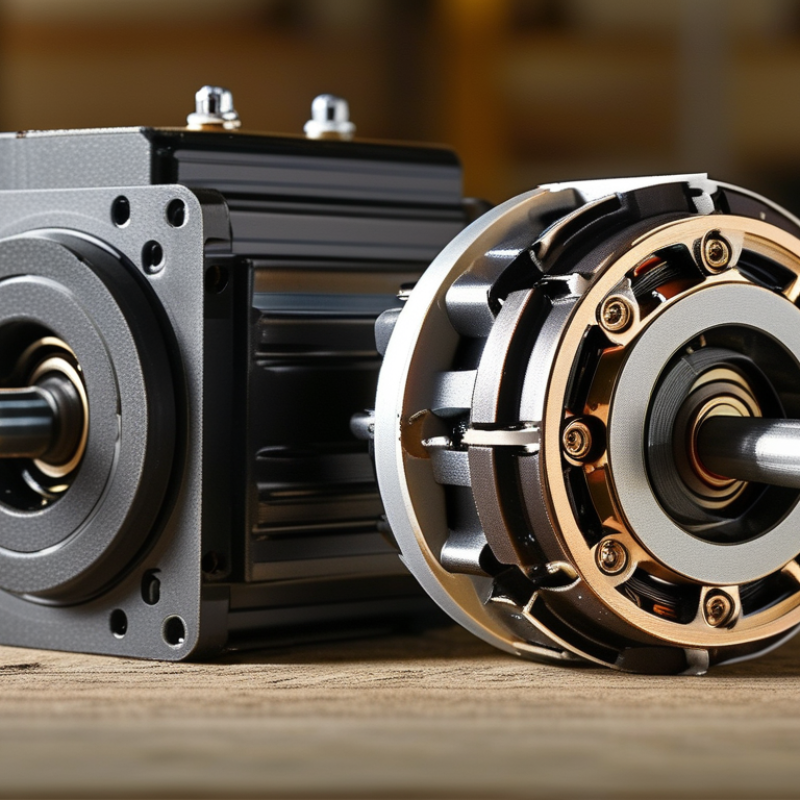
How to Choose the Right Stepper Motor for Your Project?

Understanding the Basics of Stepper Motors and Their Types

Stepper motors are widely used in various applications, thanks to their precise control and reliability. Understanding the basics of these motors is essential for selecting the right one. Generally, there are two primary types of stepper motors: permanent magnet and variable reluctance. Each has its unique advantages and disadvantages, which may not be apparent at first glance.

Permanent magnet stepper motors offer good torque at low speeds. They are known for their simplicity and cost-effectiveness. However, they can struggle with heat dissipation and may lose steps under heavy load. On the other hand, variable reluctance stepper motors excel in high-speed applications but may lack the torque needed for demanding tasks. Their design is more complex, and they may require additional components for optimal performance.

When choosing a stepper motor, consider your project's specific needs. Evaluate factors like torque requirements, speed, and load conditions. Experimenting with different types can lead to unexpected outcomes and insights. Often, the best solution lies in a delicate balance of performance and cost. Reflecting on your choices can enhance your understanding of motor selection.

Key Factors to Consider When Selecting a Stepper Motor

Choosing the right stepper motor for your project involves several key factors. Understanding the torque required is essential. Calculate the load your motor will need to drive. Both holding torque and dynamic torque matter significantly. If you're working with precision applications, make sure your motor provides stable torque at desired speeds.

Another essential factor is the step angle. Smaller step angles lead to better resolution in movement. This characteristic is vital in applications like robotics or CNC machines. Also, pay attention to the voltage and current ratings. Ensure your power supply matches these specifications to avoid motor damage.

Don't overlook the motor size and mounting options. A stepper motor that fits perfectly in your design is vital. However, larger motors usually provide more torque. Sometimes, a larger motor can be unnecessarily heavy or consume too much power. Reflect on these trade-offs carefully. Always test the motor in your specific application before finalizing your choice. The right stepper motor can make a significant difference in your project's success.

Applications and Use Cases for Different Stepper Motors

When selecting a stepper motor, it's crucial to consider the specific application you have in mind. Different types of stepper motors serve varying use cases, such as 3D printing, robotics, and CNC machines. Each application requires unique specifications, like torque, precision, and speed.

For 3D printers, NEMA 17 stepper motors are often preferred due to their balance of performance and size. They offer sufficient torque for precise movements. In robotics, larger NEMA 23 motors provide enhanced torque for heavy loads. Users must assess the weight and complexity of their projects before deciding. Testing various motors can lead to unexpected but enlightening results.

Tips for choosing the right motor include evaluating the power supply requirements. Always verify compatibility with your control system. Remember, every project has differing needs which can lead to trial and error. Using a motor that may seem powerful could be inefficient or overkill. Aim for a balance between capability and energy consumption.

Keep your project’s objectives clear and revisit motor specifications as your project evolves.

Matching Motor Specifications to Your Project Requirements

Choosing the right stepper motor is crucial for your project. Several specifications demand attention. Torque requirements play a critical role in performance. Measure the load your motor needs to handle. If you estimate inaccurately, your project may falter.

Speed ratings also matter. Different applications require various speeds. High-speed applications may need motors with shorter step angles. Consider your project's needs. A mismatch here can lead to inefficient operation.

Pay attention to voltage and current settings. Ensure your power supply aligns with the motor's specifications. Too much or too little power can cause overheating or underperformance. Address these aspects carefully. Reflect on these factors to avoid common pitfalls. Choosing the right stepper motor is a blend of art and science, necessitating precise evaluation.

Tips for Testing and Evaluating Stepper Motor Performance

When evaluating stepper motor performance, testing is key. Start by checking the torque output. Measure the holding torque at various current settings. Record how the motor responds under load. This will give you insights into its limitations. Remember, torque values can vary with different speeds.

Next, examine the step accuracy. Conduct tests to see how precise the motor is in moving to specific positions. Use a dial indicator for precise measurements. It's common to encounter discrepancies, so make adjustments if necessary. Keep in mind that motor performance can degrade over time, leading to less accurate movements.

Thermal performance is another aspect to assess. Monitor the temperature of the motor during extended usage. High temperatures can indicate excessive current draw or load. Consider the environment where the motor will operate. You may need cooling solutions to maintain efficiency. A thorough understanding of these factors ensures you select the right motor for your needs.

How to Choose the Right Stepper Motor for Your Project? - Tips for Testing and Evaluating Stepper Motor Performance

Motor Type Holding Torque (Nm) Step Angle (Degrees) Current Rating (A) Voltage Rating (V) RPM (Max)
Bipolar Stepper 0.5 1.8 1.2 12 300
Unipolar Stepper 0.4 7.5 0.8 5 200
Hybrid Stepper 1.0 1.8 1.5 24 400
Micro Stepper 0.3 0.9 0.5 12 600
NEMA 17 0.45 1.8 1.6 24 500

FAQS

: What are the main types of stepper motors?

: There are two primary types: permanent magnet and variable reluctance. Each type has pros and cons.

Why are permanent magnet stepper motors popular?

They offer good torque at low speeds and are cost-effective. However, they struggle with heat dissipation.

What should I consider when selecting a stepper motor?

Evaluate factors like torque requirements, speed, load conditions, and step angle for better resolution.

How does step angle impact motor performance?

Smaller step angles provide better resolution, which is essential for applications like robotics and CNC machines.

Why is testing important before finalizing a motor choice?

Testing helps ensure the motor meets specific requirements. You might discover unexpected issues or advantages.

Can using a larger motor lead to problems?

Yes, larger motors can be heavy and consume more power. Consider trade-offs between size and torque carefully.

How do I know if a motor is compatible with my project?

Check the voltage and current ratings. Make sure they match your power supply to avoid potential damage.

What happens if I choose the wrong stepper motor?

An incorrect choice may lead to inefficiency and project delays. Reflect on your needs and insights gained from testing.

How does load affect stepper motor choice?

Different loads require different torque levels. Analyze your application’s demands to select the right type.

Are there specific recommendations for 3D printing motors?

NEMA 17 motors are often used for 3D printers due to their good balance of performance, size, and torque.

Conclusion

When selecting the right stepper motor for your project, it’s essential to start with a foundational understanding of stepper motors and their various types. Each type of stepper motor offers distinct features that can be advantageous depending on the specific requirements of your application. Key factors to consider include torque, speed, and voltage ratings, which must align with your project goals.

Additionally, evaluating the applications and use cases for different stepper motors can guide your choice. It's important to match the motor specifications to your project requirements to ensure optimal performance. Finally, testing and assessing the motor's performance through various methods will help confirm that it meets your expectations, providing a reliable solution tailored to your needs.

Sienna

Sienna

Sienna is a skilled marketing professional with a deep expertise in our company’s core products and services. With a passion for innovation and detail, she plays a pivotal role in crafting insightful blog posts that not only highlight the unique features of our offerings but also provide valuable......