How to Choose the Right Permanent Magnet Motors for Your Needs?

Time:2026-08-23 Author:Oliver
0%

Choosing the right Permanent Magnet Motors is crucial for optimizing performance in various applications. These motors are known for their efficiency and compact design. However, not all Permanent Magnet Motors are created equal.

When deciding on a motor, consider the specific requirements of your project. Power, torque, and speed need careful evaluation. It's important to understand that some motors may perform well in one application but fail in another. This variability can lead to challenges in achieving desired outcomes, so research is vital.

Additionally, partnering with reputable suppliers can significantly impact your success. Their expertise can guide you towards suitable options. However, beware of overly optimistic claims; always verify technical specifications. Understanding these factors can lead to a more informed decision, ensuring your Permanent Magnet Motors meet your needs effectively.
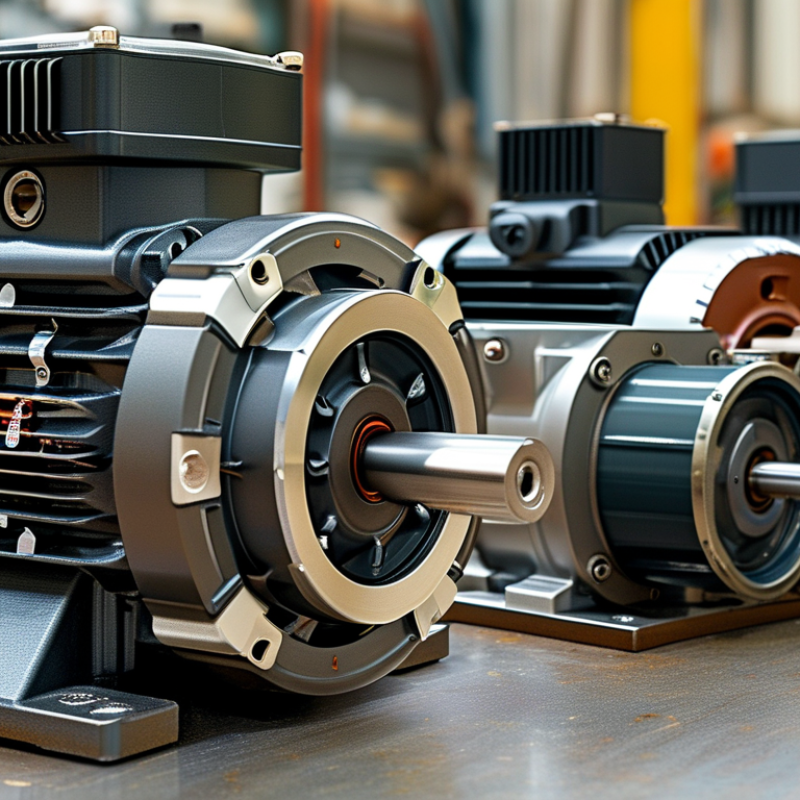
How to Choose the Right Permanent Magnet Motors for Your Needs?

Understanding Permanent Magnet Motor Types and Their Applications

Understanding the various types of permanent magnet motors is crucial for selecting the right one for your application. These motors generally fall into three main categories: brushless DC motors, stepper motors, and synchronous motors. Brushless DC motors are known for their high efficiency and reliability. According to a recent industry report, these motors can achieve efficiencies above 90%, making them suitable for applications where energy consumption is a concern.

Stepper motors offer precise control of position and speed. They are widely used in robotics and automation. However, they can consume more power at higher speeds compared to their brushless counterparts. A research study revealed that stepper motors can have efficiency ratings as low as 70% under certain conditions.

Synchronous motors, on the other hand, excel in high-torque applications. Their ability to maintain a constant speed under varying loads makes them ideal for industrial settings.

When selecting a motor, consider the specific needs of your application. Look at factors such as torque requirements, speed range, and operating environment. Also, assess the maintenance needs of each motor type. Many users overlook the importance of long-term reliability and service life. A less efficient motor might lead to increased operational costs over time. Pay attention to these details for optimal performance.

Evaluating Key Performance Metrics: Efficiency, Torque, and Speed

Choosing the right permanent magnet motor involves more than just picking one from a catalog. Performance metrics such as efficiency, torque, and speed are critical for optimizing your application. Studies reveal that the overall efficiency of high-quality permanent magnet motors can exceed 90%. This makes them ideal for electric vehicles, robotics, and industrial applications, where energy consumption is a significant concern.

Torque determines how much force a motor can apply at a specific speed. Permanent magnet motors typically deliver high torque at low speeds, which is advantageous for applications like conveyor systems and elevators. According to industry reports, effective torque management can enhance productivity. While many motors perform well, it’s crucial to measure and compare their torque outputs under various loads. Some motors may offer high peak torque but suffer during sustained operations.

Speed is another fundamental aspect. Permanent magnet motors can reach high speeds, often exceeding 5,000 RPM. This speed flexibility is essential for applications requiring rapid adjustments. Yet, it’s vital to consider the trade-offs. Higher speeds can lead to increased wear and thermal challenges. Evaluating a motor’s speed profile alongside its efficiency and torque curve provides a more comprehensive understanding of its operational viability.

Matching Motor Specifications to Your Project Requirements

Choosing the right permanent magnet motor can seem daunting. It's essential to match the motor specifications to your project requirements. Start by identifying your load needs. Are you dealing with high torque applications or low-speed requirements? Knowing this will help configure your system accordingly.

Consider the operating environment. Will the motor be used indoors or outdoors? Factors like temperature and humidity can affect performance. A motor designed for a specific environment will operate more reliably.

When assessing power ratings, don't forget to account for future needs. It’s wiser to overestimate than underestimate. This will provide flexibility for growth in your project. Remember, efficiency is key in reducing operational costs. Making sure the motor operates near its optimal load improves efficiency significantly.

Lastly, always seek expert advice when uncertain. They provide insights that can save time and resources. Even small mistakes in selection can lead to bigger issues down the line. Make sure to do thorough research and consider all aspects before making your decision.

Assessing Environmental Factors and Operating Conditions

Choosing the right permanent magnet motors requires careful consideration of environmental factors and operating conditions. The operating temperature is critical. Many motors can function up to 90°C, but beyond that, performance may diminish. According to a study by the Institute of Electrical and Electronics Engineers, a temperature increase of just 10°C can reduce motor life significantly.

Humidity also plays a vital role. In conditions exceeding 70% relative humidity, motors can suffer from insulation failure. It's not uncommon for manufacturers to recommend enclosures or protective coatings to mitigate moisture effects. For outdoor applications, exposure to UV rays and corrosive elements must be assessed. While a high IP (Ingress Protection) rating can protect against dust and water, it may not safeguard against all environmental threats.

Vibration and load conditions should not be overlooked. Motors in high-vibration settings may require additional mounting solutions or modification to prevent failure. According to the International Electrotechnical Commission, vibrations can lead to mechanical stress and ultimately shorten motor lifespan. Understanding the unique requirements of each application is essential. Engaging with experienced engineers can provide insights into specific needs. Conducting thorough evaluations helps ensure optimal performance and longevity of the motors.

Budget Considerations and Long-term Maintenance of Permanent Magnet Motors

When selecting permanent magnet motors, budget considerations are crucial. The initial cost of these motors can be higher compared to other options. However, it's essential to consider the total cost of ownership. This cost includes maintenance and energy efficiency over time. Lower operating costs can offset the upfront investment, leading to better long-term savings.

Long-term maintenance is another area that needs careful thought. Permanent magnet motors have fewer moving parts, which can mean lower maintenance requirements. However, attention to detail is vital. Regular inspections and proper handling can prevent unexpected breakdowns. Be prepared for potential issues with bearings or magnets over extensive use. Establishing a maintenance schedule will ensure these motors operate optimally for years.

Understanding your specific application can also impact budget and maintenance needs. Different industries place varying demands on motors. Research applicable standards and performance requirements. You might find that the most expensive option isn't always the best fit. Weigh your options wisely to find the ideal balance between cost, efficiency, and maintenance.

How to Choose the Right Permanent Magnet Motors for Your Needs? - Budget Considerations and Long-term Maintenance of Permanent Magnet Motors

Motor Type Power Rating (kW) Voltage Rating (V) Efficiency (%) Initial Cost ($) Expected Lifespan (Years) Annual Maintenance Cost ($)
Brushless DC Motor 5 480 90 800 15 100
Synchronous Motor 10 400 92 1200 20 150
Stepper Motor 2 230 85 300 10 80
Permanent Magnet AC Motor 15 230 95 1500 25 200

FAQS

: How do I select the right motor for my project?

: Identify your load needs first, focusing on torque and speed requirements.

What environmental factors should I consider?

Assess operating temperature, humidity, and whether the motor is for indoor or outdoor use.

Why is operating temperature important?

Temperature affects motor performance and lifespan. Higher temperatures can reduce motor life significantly.

How does humidity impact motor choice?

High humidity can lead to insulation failure. Enclosures may protect against moisture damage.

What role does future power needs play in selection?

Overestimating power ratings allows for growth and flexibility in your project.

Do vibrations affect motor performance?

Yes, high vibrations may lead to mechanical stress, which shortens the motor lifespan.

Should I consult experts during selection?

Yes, expert advice can prevent mistakes and save time and resources.

How can efficiency be improved?

Ensure the motor operates near its optimal load to enhance efficiency.

Are protective features necessary for outdoor motors?

Yes, features like high IP ratings can protect against dust and moisture, but not all threats.

What if I have doubts about my selection?

Conduct thorough research and evaluate all factors before making a final decision.

Conclusion

Choosing the right Permanent Magnet Motors involves a comprehensive understanding of their types and applications. Each type of motor serves specific purposes, making it crucial to evaluate key performance metrics such as efficiency, torque, and speed. These metrics greatly influence how well a motor can meet the requirements of your project. Additionally, aligning motor specifications with your project needs ensures optimal performance and longevity.

Environmental factors and operating conditions also play a significant role in the selection process. Considering factors like temperature, humidity, and potential exposure to contaminants is essential for choosing a durable motor. Lastly, budget considerations and planning for long-term maintenance are crucial to ensure that the investment in Permanent Magnet Motors remains viable and cost-effective over time. By carefully assessing these elements, you can make informed decisions tailored to your specific needs.

Oliver

Oliver

Oliver is a seasoned marketing professional with a wealth of expertise in driving brand awareness and engagement. With a deep understanding of our company's product offerings, he consistently delivers high-quality content that enriches our professional blog. His insights not only shed light on......