The DC Brushless Motor represents a significant advancement in motor technology. These motors are known for their efficiency and reliability. Unlike traditional brushed motors, they eliminate the need for carbon brushes, which reduces wear and tear. This often leads to a longer lifespan and less maintenance.
Using a DC Brushless Motor in your application can yield multiple benefits. For instance, they offer superior energy efficiency. This can translate to lower operational costs, especially in demanding applications. Also, their quieter operation can enhance the user experience in sensitive environments. This makes them ideal for robotics, electric vehicles, and various industrial applications.
However, there are some considerations to keep in mind. The initial cost of DC Brushless Motors might be higher than their brushed counterparts. Additionally, they require a specialized controller, which can complicate the setup process. Understanding these factors is crucial when deciding to switch to this technology. Overall, the benefits often outweigh the drawbacks for many applications.
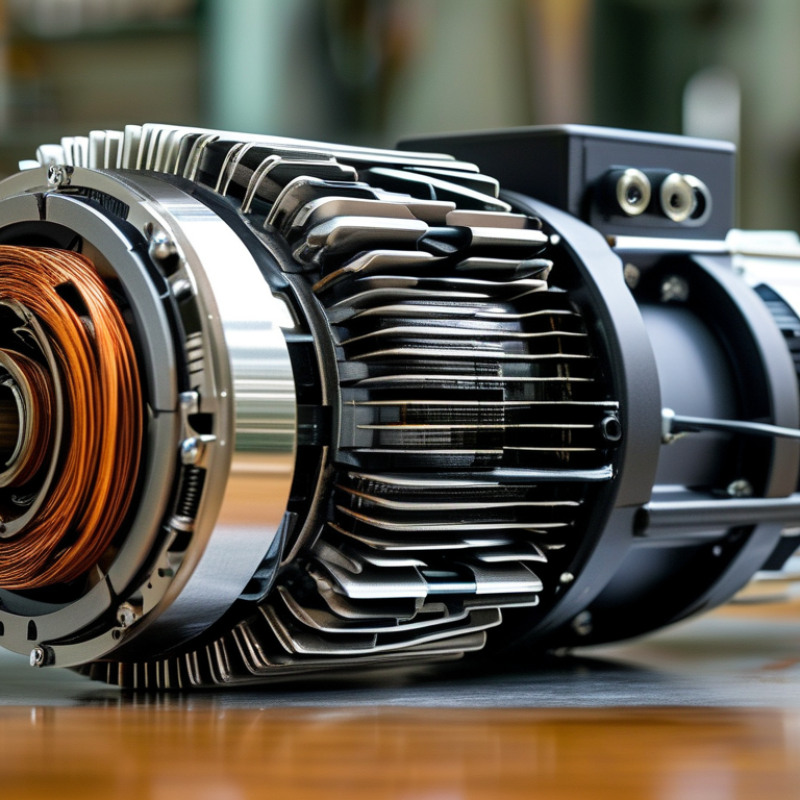
What is a DC Brushless Motor?
A DC brushless motor is an electric motor powered by direct current. Unlike traditional brushed motors, it uses electronic controllers instead of brushes to manage the motor's rotation. This design leads to greater efficiency, less noise, and reduced maintenance requirements.
These motors operate smoothly, thanks to their rotational design. They offer a longer lifespan as there is reduced wear and tear. This efficiency makes them popular in various applications, from drones to home appliances. Users often notice faster response times and better speed control compared to their brushed counterparts.
Tips: When selecting a motor, consider your specific application's power requirements. Keep in mind the size and weight of the motor, as these can impact performance. Always consult with specialists if you encounter challenges in your setup. Small adjustments can lead to significant improvements.
Key Components of DC Brushless Motors
DC brushless motors are becoming increasingly popular in various applications. They are known for their efficiency and durability. Understanding their key components can help you make an informed decision before using one.
The main components of a DC brushless motor include the stator, rotor, and electronic controller. The stator is the stationary part that houses winding coils. These coils create a magnetic field when current flows through them. The rotor, on the other hand, rotates within the magnetic field. This interaction generates motion. An electronic controller manages the power supply to the motor, ensuring smooth operation.
Another essential element is the feedback sensor, often a Hall effect sensor. This component monitors the rotor's position, allowing the controller to adjust the power accordingly. Surprisingly, although the technology is advanced, there can be challenges in optimizing sensor placement. Users occasionally face difficulty in fine-tuning these motors for their specific needs. Overall, understanding these key components emphasizes the advantages of using DC brushless motors in modern devices.
What is a DC Brushless Motor and Why Should You Use It? - Key Components of DC Brushless Motors
| Component |
Description |
Advantages |
| Stator |
The stationary part of the motor that produces a magnetic field. |
High efficiency and low heat generation. |
| Rotor |
The rotating part of the motor that turns due to the magnetic field generated by the stator. |
Smooth operation with low noise levels. |
| Controller |
An electronic device that regulates the speed and operation of the motor. |
Precise control over speed and torque. |
| Feedback Sensor |
Sensors, such as encoders, that provide information on rotor position to improve performance. |
Enhanced response and accuracy in control. |
| Bearings |
Support components that help reduce friction between moving parts. |
Increased lifespan of the motor. |
Advantages of Using DC Brushless Motors
DC brushless motors are increasingly popular due to their unique advantages. One significant benefit is their
energy efficiency. According to a report by the Department of Energy, brushless motors can improve efficiency by
10-20% compared to brushed motors. This efficiency enhances performance while reducing energy consumption and operating costs in various applications.
Another critical advantage lies in their longer lifespan. Brushless motors generally have a lifespan of
20,000 to 30,000 hours, significantly longer than traditional brushed motors. This longevity results from reduced wear and tear, thanks to the absence of brushes.
Fewer components working together mean it’s less likely to fail prematurely. Organizations can save on replacement parts and downtime.
Additionally, the maintenance needs are lower. Brushless motors do not require frequent maintenance or brush replacements. Maintenance costs can account for significant expenses in manufacturing.
According to studies, businesses can reduce maintenance-related costs by up to 30% by switching to DC brushless motors.
However, initial setup costs may be higher, which can deter some choices. Balancing immediate costs with long-term savings is essential for decision-makers.
Applications of DC Brushless Motors in Various Industries
DC brushless motors have made significant strides in various industries due to their efficiency and reliability. The manufacturing sector, for instance, increasingly relies on these motors for automation. According to a recent report by Industry Research, the global market for brushless motors is projected to grow from $13.83 billion in 2020 to $26.52 billion by 2028. This rapid growth signals their importance in enhancing production capabilities.
In the automotive industry, DC brushless motors are essential for electric vehicles (EVs). They provide higher efficiency and longer battery life compared to traditional motors. As electric vehicle sales continue to rise, driven by global sustainability trends, these motors are critical in achieving improved performance metrics. A report from the International Energy Agency suggests EV sales could reach 145 million by 2030, significantly increasing the demand for advanced motor technologies.
The healthcare sector also benefits from DC brushless motors. Medical devices require precise and reliable movements. These motors are ideal for applications in surgical robots and portable diagnostic equipment. The need for accuracy is paramount; even small errors can lead to significant consequences. Thus, the integration of brushless motors can improve patient outcomes significantly, although manufacturers must continuously evaluate their designs to ensure they meet ever-evolving healthcare standards.
How to Select the Right DC Brushless Motor for Your Project
When selecting a DC Brushless Motor, consider important factors like voltage, current, and intended application. These motors excel in efficiency, running at over 85% in many applications. Their longevity is notable; some can last over 30,000 hours, reducing replacement costs. However, not all projects require such extended life. Weigh the benefits against project needs.
Specific applications dictate motor choice. For robotics, high torque is crucial. In contrast, drones prioritize lightweight models. A report by Advanced Motion Controls highlighted that uniform speed regulation could improve overall performance by 20%. Do not overlook thermal management; overheating can decrease motor efficiency.
Choosing the right motor can be nuanced. A small error in specifications may lead to performance issues. Iterative testing can refine choices. Many engineers note the importance of simulation before finalizing selections. The right motor can enhance efficiency, but also consider potential drawbacks that may arise. Make informed decisions based on accurate data and project objectives.
FAQS
: It is an electric motor powered by direct current without brushes for rotation control.
It uses electronic controllers to manage rotation, improving efficiency and reducing noise.
Key components include the stator, rotor, electronic controller, and feedback sensor.
They offer efficiency, longer lifespan, and better speed control compared to traditional brushed motors.
They are widely used in manufacturing, automotive, and healthcare industries for various applications.
They deliver higher efficiency and longer battery life, enhancing performance metrics in EVs.
Yes, users often face difficulties optimizing sensor placement and fine-tuning for specific needs.
They monitor rotor position, enabling the controller to make necessary power adjustments.
They improve the precision of medical devices, crucial for patient outcomes and safety.
Yes, evolving standards in industries like healthcare require ongoing design assessments.
Conclusion
A DC Brushless Motor is a type of electric motor that operates without brushes, utilizing electronic commutation instead. Key components of these motors include the stator, rotor, and electronic controller, which work together to provide efficient and reliable operation. One of the primary advantages of using DC Brushless Motors is their durability and reduced maintenance needs, as they eliminate the friction and wear associated with traditional brushed motors. Additionally, they offer higher efficiency, better thermal performance, and quieter operation.
DC Brushless Motors find applications across various industries, from automotive to aerospace, due to their versatility and performance. When selecting the right DC Brushless Motor for a project, it’s essential to consider factors such as torque requirements, operating conditions, and control methodologies to ensure optimal performance for specific applications.
 Zelt Motor
