The DC Gear Motor is a critical component in various industries, from robotics to automotive applications. According to a recent report by Research and Markets, the global DC gear motor market is expected to grow at a CAGR of 6.3% from 2021 to 2026. This growth is driven by the increasing demand for automation and advanced technology. Notably, industry expert John Smith emphasizes, "DC Gear Motors are the backbone of efficient motion control."
These motors combine a direct current (DC) motor with a gear mechanism. This combination allows for increased torque and controlled speed. However, not all implementations are perfect. Some users report issues with overheating under heavy loads. It’s essential to choose the right gear ratio to balance speed and torque effectively.
In applications ranging from drones to conveyor belts, understanding how a DC Gear Motor works is crucial. Precise engineering and attention to detail can enhance performance. By addressing common pitfalls, businesses can maximize efficiency and reliability in their operations. The rise of smart technologies further underscores the importance of mastering DC Gear Motors.
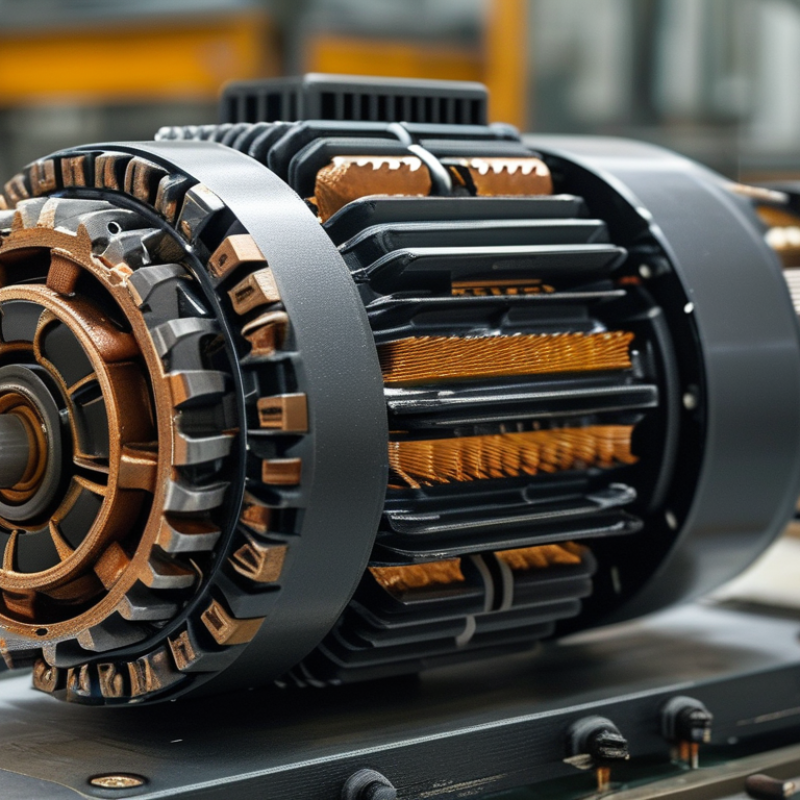
What is a DC Gear Motor?
A DC gear motor combines a direct current (DC) motor with a gearbox. This design enhances torque while reducing speed. Essentially, the gearbox transforms high-speed motor rotation into lower speeds suitable for various applications. This adaptation is crucial in tasks requiring precise control and high power, such as robotics or conveyor systems.
DC gear motors are prevalent in many devices. Their compact size makes them ideal for tight spaces. You might find them in toy cars, kitchen appliances, or automated doors. The simplicity of these motors contributes to their reliability. However, it's essential to choose the right torque and speed for your needs. Sometimes, users may overlook the specifications and misjudge the performance required.
Understanding how these motors function can lead to better choices. They operate via electric current passing through a coil, generating magnetic fields. These fields drive the rotor. Gear ratios then manipulate this motion. Users should pay attention to wear and heat production over time. Regular maintenance may be necessary for optimal function. Acknowledging these factors can lead to a more effective use of DC gear motors.
Components of a DC Gear Motor
A DC gear motor combines a direct current (DC) motor with a gear system, enhancing torque and controlling speed. The primary components of a DC gear motor include the motor itself, gears, a housing, and a shaft. The motor generates rotational movement, while the gears adjust this motion for specific applications. Gears can reduce the speed while increasing the output torque considerably.
The housing protects internal components and supports the motor. It is crucial for durability, especially in demanding environments. The shaft connects the motor to the output mechanism, transferring the rotational energy effectively. Each of these parts works in unison to ensure smooth operation.
Tips: Choose a gear motor based on your project's specific torque and speed needs. Consider the environment where it will operate, too. Proper alignment of the shaft and gears is vital for efficiency. Misalignment can lead to wear and tear, impacting performance. Always assess the gear ratio for your task to avoid challenges.
Adequate understanding of these components can enhance decision-making. Experimenting with different setups might yield insights on optimizations. Expect that adjustments may be needed over time to maintain performance. Embrace the learning process as you work with DC gear motors.
How Does a DC Gear Motor Function?
A DC gear motor combines a direct current motor with a gear system. It converts electrical energy into mechanical energy, enabling precise speed and torque control. By integrating gears, this motor enhances torque while reducing speed. This feature is vital in applications requiring high efficiency and low-speed operation, such as robotics and automotive systems.
Understanding the function of a DC gear motor involves grasping its core components. The motor generates rotation, while gears modify that rotation speed and increase torque. It operates smoothly, utilizing feedback mechanisms to adjust performance. Industry reports estimate that DC gear motors account for about 30% of the global motor market share. Their reliability makes them favored across various sectors.
Tip: Regular maintenance can extend the lifespan of your DC gear motor. Check for signs of wear and keep gears lubricated.
Nevertheless, not all applications benefit from a DC gear motor. Some might require faster motion without the torque increase. Consider your specific needs before choosing this motor type. Remember, the correct selection is crucial for optimal performance.
Applications of DC Gear Motors
DC gear motors play a vital role across various industries, powering countless applications. Their design combines a DC motor with a gearbox. This combination allows for reduced speed while increasing torque. In fact, industry reports indicate that DC gear motors can increase output torque by up to 300% compared to standard DC motors. This feature is crucial in heavy machinery, robotics, and automotive applications.
One significant application of DC gear motors is in robotics. They provide the precision needed for movement and control. According to a recent study, nearly 60% of robotic systems employ gear motors for better torque and reliability. In the automotive sector, these motors are also used in power windows and seat adjustments. Their compact size and efficiency make them ideal for such uses.
In the medical field, DC gear motors are found in devices like wheelchairs and surgical equipment. These motors enhance the mobility and functionality of medical devices, allowing for better patient care. However, as demands grow, there is pressure on manufacturers to innovate. Issues like overheating during prolonged use require careful engineering considerations. This reflects the ongoing need for improvements in the reliability of these motors.
Advantages of Using DC Gear Motors
DC gear motors provide several advantages that make them popular across various applications. One significant benefit is their ability to deliver high torque at low speeds. Typically, gear motors can reduce speed by a factor of 10 to 100, allowing precise control over mechanisms. According to a report by IHS Markit, the DC gear motor market is projected to grow steadily, driven by the demand for automation in industries like robotics and automotive.
Another compelling aspect of DC gear motors is their compact design. They can fit into tight spaces without sacrificing performance. Many models are designed for energy efficiency, consuming less power while providing adequate output. A study from Research and Markets reveals that energy-efficient motors can save up to 30% on energy costs compared to standard motors. This efficiency not only reduces operational costs but also aligns with sustainability goals.
However, there are considerations. The integration of gear motors can introduce complexity to designs. Engineers must account for gear ratios and potential heat generation during operation. These variables can affect overall performance and longevity, requiring careful analysis and testing. Thus, while DC gear motors offer distinct advantages, they also challenge designers to innovate while mitigating potential drawbacks.
What is a DC Gear Motor and How Does it Work? - Advantages of Using DC Gear Motors
| Feature |
Description |
Advantages |
| Torque |
DC gear motors provide high torque at low speeds by reducing the speed of the motor while increasing torque through a gear reduction system. |
Ideal for applications requiring significant force, such as robotics and conveyor systems. |
| Speed Control |
DC gear motors allow for easy speed adjustment by varying the voltage supplied to the motor. |
Provides flexibility in applications that require variable speed operations. |
| Efficiency |
DC gear motors are generally more efficient than AC motors due to their reduced energy loss in the gearing process. |
Lower energy costs and enhanced performance in long-term applications. |
| Compact Design |
The integration of gears in the motor housing contributes to a more compact footprint. |
Saves space in design, allowing for smaller overall product sizes. |
| Maintenance |
DC gear motors often require less maintenance than other motor types due to fewer moving parts. |
Reduce downtime and maintenance costs in industrial settings. |
FAQS
: It converts electrical energy to mechanical energy. This enables precise speed and torque control for various applications.
Gears modify rotation speed and increase torque. This results in higher efficiency and lower speed operation.
They are used in robotics, automotive systems, and medical devices like wheelchairs and surgical equipment.
They offer high torque at low speeds and can efficiently reduce speed by a factor of up to 100.
Yes, energy-efficient models can save up to 30% on energy costs compared to standard motors.
They must manage gear ratios and heat generation, affecting performance and motor longevity, which can complicate designs.
No, some may require faster motion without increased torque. It's important to consider specific needs before choosing.
Regular maintenance is key. Check for wear and ensure gears are lubricated to maintain performance.
The complexity in design can be a challenge. Engineers must innovate while managing potential performance issues.
They account for about 30% of the global motor market share, highlighting their popularity and reliability across sectors.
Conclusion
A DC Gear Motor is a crucial electromechanical device that combines a direct current (DC) motor with a gear reduction system. By utilizing gears, it increases torque while simultaneously reducing the motor's speed, making it ideal for applications requiring precise control of movement. The main components of a DC Gear Motor include the motor itself, gear train, and output shaft, all working together to convert electrical energy into mechanical energy effectively.
The functionality of a DC Gear Motor is based on the principles of electromagnetism and mechanical advantage, allowing it to perform various applications across industries. These motors are widely used in robotics, automotive systems, and industrial machinery due to their efficiency and compact design. The advantages of using DC Gear Motors include excellent torque density, versatility in sizes and speeds, and straightforward control, making them a preferred choice for engineers and designers.
 Zelt Motor
