Hot Selling Motors for Global Buyers What to Consider?

Time:2026-06-22 Author:Oliver
0%

In the world of "Hot Selling Motors," understanding market trends is crucial. Expert James T. Robinson once stated, "Buyers must align their needs with market dynamics." This highlights the intricate balance between consumer demand and product availability in the motor sector.

Global buyers face many challenges when selecting motors. Quality, reliability, and performance are paramount. Hot selling motors can vary widely in specifications. Each buyer's unique requirements must drive their choice. Industry standards evolve quickly, making it essential to stay informed about innovations and consumer feedback.

Evaluating the reputation of manufacturers is also vital. A trusted brand often signifies quality assurance. However, new players may offer innovative features at competitive prices. Buyers should approach their decisions thoughtfully, balancing potential benefits against possible drawbacks. It’s essential to research and reflect, ensuring the chosen motors meet both current and future demands.
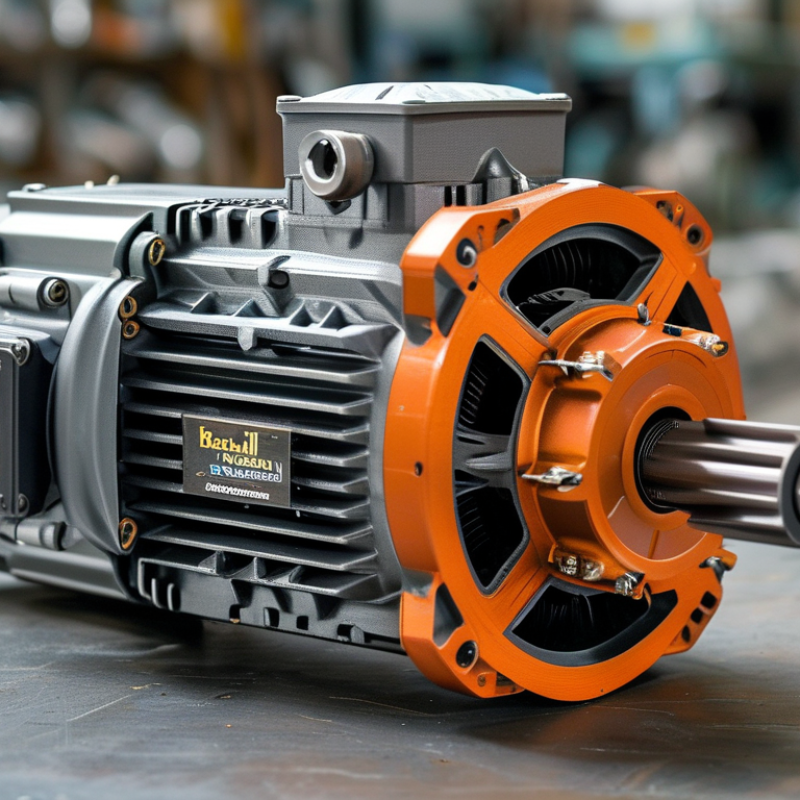
Hot Selling Motors for Global Buyers What to Consider?

Key Factors Influencing Global Demand for Motors

When considering the global demand for motors, several key factors come into play. The rise of electric vehicles (EVs) is significantly influencing motor sales. According to a recent report by the International Energy Agency, global electric car sales reached 6.6 million units in 2021, marking a 108% increase from the previous year. This surge necessitates a higher demand for efficient and reliable motors to power these vehicles.

Moreover, advancements in automation technology are driving the need for high-performance motors across various industries. The World Robotics Report highlights that about 3 million industrial robots are expected to be in use by 2025. These robots require specialized motors designed for precision and durability. However, not every manufacturer can meet these changing standards. Companies must evaluate their motor specifications carefully to ensure compatibility with evolving technology.

Sustainability has also emerged as a critical concern for global buyers. According to the Global Industry Analysts report, the market for energy-efficient motors is projected to reach $67 billion by 2026. This reflects a growing consumer preference for eco-friendly solutions. Companies that fail to address sustainability may struggle to compete. Thus, evaluating a motor's energy consumption and sustainability credentials should be a priority for manufacturers and buyers alike.

Understanding Different Types of Motors Available Globally

When considering motors available globally, it’s essential to understand their various types. Electric motors, for example, are widely used for their efficiency and speed control. They come in different designs, such as AC and DC motors. AC motors are often found in household appliances. Meanwhile, DC motors are favored in battery-operated devices.

Another important type is the stepper motor, primarily used in robotics and precision machinery. They allow for accurate positioning, which is vital in many applications. However, not every motor type suits every project. It’s crucial to consider factors like torque, efficiency, and control requirements. A motor with high torque might not be the best choice for a small, delicate task.

The complexities of motor specifications can be confusing. Some buyers may overlook the importance of understanding these details. For instance, the operating environment can impact motor performance. Motors exposed to extreme temperatures might require special materials. Without this knowledge, you may face reliability issues later. Balancing performance with your project needs is essential for choosing the right motor.

Evaluating Buyer Needs: Customization and Specifications

When exploring motor options, understanding buyer needs is crucial. Customization plays a significant role in this process. Buyers often seek motors that fit specific applications, whether for industrial use or personal projects. Each industry may have unique demands, from energy efficiency to size limitations. Evaluating these needs ensures the right fit for any project.

Tips: Always gather detailed specifications from potential buyers. Ask about their intended use and environment. This helps streamline the selection process.

Specifications can vary widely. Some buyers need higher torque, while others prioritize speed. A clear understanding of these requirements is vital. This can prevent costly mistakes later. Assessing how motors perform under various conditions is essential too. Buyers might overlook critical aspects like temperature range or load capacity.

Tips: Document all discussions with buyers. This creates a reference point for future interactions. Regularly update buyers on advances in motor technology to enhance their decision-making process.

Assessing Quality and Certification Standards in Motor Buying

When buying motors, understanding quality and certification is crucial. Many buyers assume that all motors meet the same standards. However, this is not always the case. Quality can vary significantly between different manufacturers and regions.

Certification marks are essential indicators of quality. They show that a motor has passed specific tests and meets safety guidelines. Look for certifications like IEC or ISO. These certificates reflect rigorous standards, ensuring reliability and performance. When choosing a motor, ask for these certifications.

Experience plays a role too. Buyers should not solely rely on certifications. Often, feedback from existing users provides invaluable insights. Reviews or testimonials can reveal hidden issues that might not appear in official documents. It’s essential to be cautious and conduct thorough research before making a purchase. Remember, not every motor labeled as certified may perform well in practical applications.

Navigating Logistics and Regulations in Global Motor Trade

Navigating logistics and regulations in global motor trade is complex yet crucial. A significant aspect is understanding import and export regulations, which can differ vastly across regions. For example, the World Bank's 2022 report highlighted that compliance can add 12% to the cost of the transaction. Buyers should rigorously research local laws or engage with experts in global trade compliance.

Shipping logistics also play a key role in the successful trade of motors. Timely delivery impacts business operations and customer satisfaction. According to a recent survey by the International Transport Forum, 30% of businesses reported significant delays in motor shipments due to inadequate logistics planning. Effective management of shipping routes, costs, and partnerships with reliable freight forwarders can mitigate risks and enhance delivery efficiency.

Furthermore, it’s essential to stay informed about changing regulations related to environmental standards. Data from the Global Automotive Executive Survey revealed that 78% of industry leaders expect stricter emissions regulations within the next five years. This shift requires buyers to adapt quickly, ensuring that the motors they source meet compliance standards. Flexibility in planning and a proactive approach to emerging regulations can make a difference in operational success.

Hot Selling Motors for Global Buyers

This chart presents the sales volume of various types of motors in global markets, highlighting key considerations for buyers regarding logistics and regulations. Understanding the demand for different motor types can assist in making informed decisions.

FAQS

: What types of motors are commonly available?

: Electric motors, stepper motors, AC, and DC motors are commonly used. Their applications vary widely.

Why are electric motors popular?

Electric motors offer efficiency and speed control. They are versatile in many applications, including household appliances.

What is the importance of motor specifications?

Understanding specifications helps match motors to projects. Torque, efficiency, and control needs are crucial factors.

How does the environment affect motor performance?

Extreme temperatures can require special materials for motors. Ignoring this may lead to reliability issues later.

What should buyers look for in motor certifications?

Buyers should check for certifications like IEC or ISO. These indicate that motors meet safety and performance standards.

How can user feedback influence motor purchases?

User reviews provide insights beyond certifications. They can highlight potential issues or advantages not listed in documents.

What logistical challenges impact motor trade?

Import/export regulations and shipping logistics can complicate motor trade. Delays in delivery can affect business reputation.

Why is flexibility important in sourcing motors?

Regulations change frequently, particularly regarding emissions. Buyers must adapt quickly to maintain compliance and operational success.

What role does shipping play in motor commerce?

Effective shipping logistics impact timely delivery. Poor planning can lead to significant delays and dissatisfied customers.

How can buyers ensure they choose the right motor?

Conduct thorough research and consider project needs. Balance performance parameters with specific use cases for better results.

Conclusion

The article "Hot Selling Motors for Global Buyers: What to Consider?" highlights critical factors influencing the global demand for motors. It delves into various types of motors available worldwide, drawing attention to the importance of understanding buyer needs, including customization and specifications. Quality and certification standards are essential considerations for buyers to ensure they invest in reliable and well-manufactured products.

Additionally, the article outlines the intricacies of navigating logistics and regulatory frameworks in the global motor trade. As demand for hot selling motors continues to grow, it is crucial for buyers to assess these factors carefully to make informed purchasing decisions that align with their operational requirements and market trends.

Oliver

Oliver

Oliver is a seasoned marketing professional with a wealth of expertise in driving brand awareness and engagement. With a deep understanding of our company's product offerings, he consistently delivers high-quality content that enriches our professional blog. His insights not only shed light on......