Top 10 Tips for Choosing Industrial Motors Effectively?

Time:2026-07-24 Author:Henry
0%

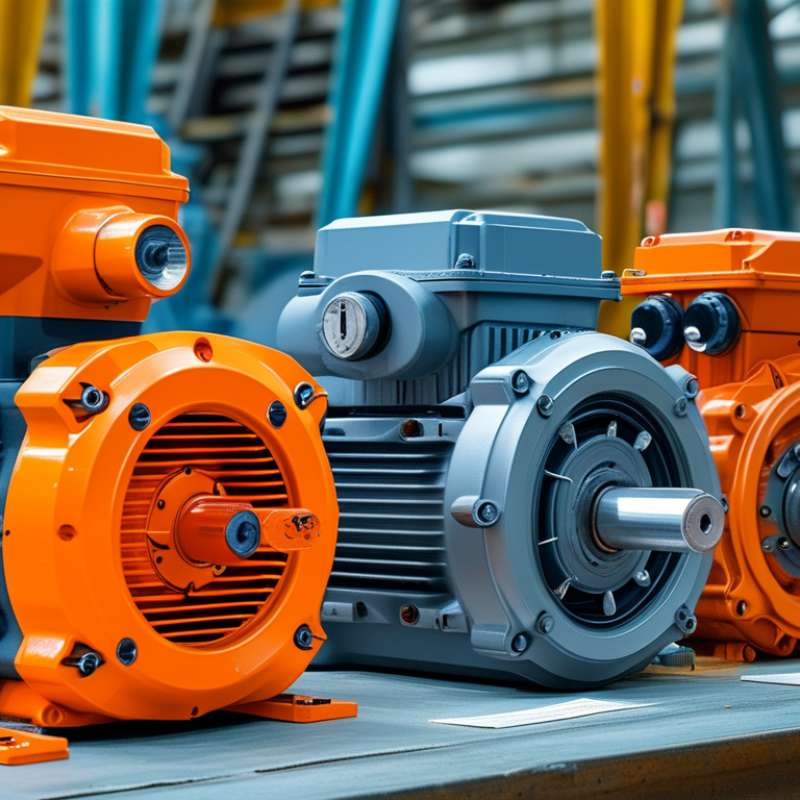
Choosing the right industrial motors can greatly impact the efficiency and longevity of your equipment. With various types available, each designed for specific applications, it's essential to understand your requirements. Selecting the wrong motor can lead to increased costs and operational inefficiencies.

Consider factors such as power requirements, speed, and torque. These specifications directly influence the motor's performance. It's also crucial to factor in environmental conditions, such as temperature and humidity, as these can affect motor durability and reliability. A visually appealing catalog or a shiny website often hides underlying complexities. Always seek advice from experienced professionals. Their insight can save you time and money.

Industrial motors are not a one-size-fits-all solution. Each application demands careful consideration. Reflect on your needs before making a choice. Sometimes, more isn't better. A smaller, more efficient motor may outperform a larger counterpart. Prioritize quality over flashy features, and ensure your selection aligns with your operational goals.
Top 10 Tips for Choosing Industrial Motors Effectively?

Understanding the Different Types of Industrial Motors Available

When selecting industrial motors, understanding the types available is crucial. Electric motors are among the most common types. They are efficient and versatile, used in various applications. AC and DC motors have unique advantages. AC motors are often more robust and suited for continuous operation. In contrast, DC motors provide better speed control, making them ideal for variable loads.

Pneumatic motors use compressed air. They excel in environments where electrical components might fail. Hydraulic motors offer high torque and are applicable in heavy-duty tasks. However, these motors require a constant supply of hydraulic fluid, which can complicate setup and maintenance.

Choosing the right motor depends on specific needs. Consider energy efficiency and the operating environment. Reflect on potential challenges, such as maintenance demands and installation costs. A detailed analysis can lead to smarter decisions. Don't overlook the importance of consulting experts in the field. Their insights can help clarify options and avoid common pitfalls in motor selection.

Evaluating the Required Power Rating and Torque Specifications

When selecting industrial motors, understanding power rating and torque specifications is crucial. Power rating indicates the motor's capacity to perform work efficiently. It is essential for determining how well the motor can handle specific tasks in demanding environments. An overly powered motor can lead to energy waste. Conversely, an underpowered motor may struggle and fail prematurely.

Torque specifications clarify how much rotational force the motor can deliver. This measurement is vital for applications requiring consistent, reliable force. Motors with inadequate torque may lead to inefficient operation or breakdowns. It's important to calculate the torque needed based on load requirements. Consider the speed at which the motor will operate. A mismatch can result in suboptimal performance.

Moreover, always reflect on your specific needs. Factors like environmental conditions and application types should shape your decision. Sizing the motor accurately can prevent pitfalls in efficiency and performance. Don't hesitate to seek expert advice when in doubt. Proper evaluation guarantees your motor will meet industry standards and operational demands.

Top 10 Tips for Choosing Industrial Motors Effectively

Tip Number Tip Description Power Rating (kW) Torque Specifications (Nm) Efficiency (%)
1 Determine the application requirements 5 25 85
2 Assess the load requirements 7.5 40 90
3 Select a suitable motor type 10 50 92
4 Understand voltage requirements 15 80 88
5 Check for cooling options 20 100 91
6 Evaluate the ambient conditions 25 150 87
7 Look for safety standards and certifications 30 200 95
8 Compare the total cost of ownership 40 250 90
9 Review maintenance requirements 50 300 89
10 Consult with a motor specialist 60 350 93

Considering the Motor Efficiency and Energy Consumption Factors

When selecting industrial motors, efficiency and energy consumption are critical factors. Efficient motors convert electrical energy into mechanical energy effectively. This conversion reduces operational costs over time. A motor with high efficiency can lead to significant savings on electricity bills.

Moreover, consider the load requirements of your specific application. Motors that are oversized can consume more energy than needed. Underloading a motor can also be detrimental, causing it to operate inefficiently. Therefore, understanding your operational demands can guide you in making informed decisions.

Monitoring energy consumption during the motor's operation is also essential. Data on usage patterns can reveal inefficiencies. Regular assessments allow for timely maintenance and adjustments. This proactive approach enhances overall motor performance. By prioritizing efficiency, you can not only reduce costs but also minimize environmental impact.

Assessing Environmental Conditions and Compatibility Requirements

When selecting industrial motors, assessing environmental conditions is crucial. Motors must operate effectively in varying temperatures, humidity levels, and potential contamination. For example, a report by the National Electrical Manufacturers Association indicates that motors can lose efficiency when exposed to extreme conditions. Understanding the specific environmental parameters can enhance performance and longevity.


Compatibility requirements are equally important. Different motors have varying electrical ratings, which must align with your application. A study from the Department of Energy highlights that mismatched specifications can lead to equipment failure. It’s essential to evaluate both operational conditions and installation requirements thoroughly.


Ignoring these factors can lead to costly downtime and maintenance. Many users underestimate the impact of environmental conditions on motor lifespan. Regular audits and assessments can help in identifying potential issues. Comprehensive understanding is vital for making informed decisions in motor selection.

Reviewing Maintenance Needs and Lifespan Expectations for Motors

When selecting industrial motors, it’s crucial to consider maintenance needs and lifespan expectations. Regular maintenance extends the operational life of motors. This involves checking for wear and tear, and ensuring lubricants are topped up. Small details, like cleaning dust off vents, can prevent overheating. Neglecting these tasks can lead to unexpected failures.

Lifespan also varies significantly across different motor types. AC motors might last longer than DC motors in some settings. However, rigorous operational demands can shorten their lifespan. Be realistic about the working environment. If motors are frequently exposed to dust or moisture, the lifespan may drop.

Before making a choice, gather data on the motor's operational history. This helps predict future performance. Check if the manufacturer provides robust support. A reliable warranty can be a sign of quality. Reflecting on experiences from others in the industry offers valuable insights. Balancing expected longevity with maintenance strategies is key to making a wise decision.

FAQS

: What is power rating in industrial motors?

: Power rating indicates a motor's capacity to perform work efficiently in demanding environments.

Why is torque specification important?

Torque specifications determine the rotational force a motor can deliver, crucial for reliable applications.

What happens if a motor is oversized?

Oversized motors can lead to energy waste and increased operational costs.

Can underloading a motor be harmful?

Yes, running a motor underloaded may cause it to operate inefficiently, leading to potential breakdowns.

How can I assess the efficiency of a motor?

Monitoring energy consumption helps identify inefficiencies and guides maintenance decisions for better performance.

What should I consider when sizing a motor?

Consider load requirements, operational demands, and environmental conditions to avoid performance pitfalls.

How does a high-efficiency motor benefit me?

High-efficiency motors reduce operational costs and lower electricity bills over time.

Is expert advice necessary when choosing a motor?

Yes, consulting experts can ensure your motor meets industry standards and specific operational needs.

How often should I evaluate motor performance?

Regular assessments are recommended to maintain performance and address any inefficiencies.

What impact does motor choice have on the environment?

Efficient motors minimize energy consumption, contributing to lower environmental impact.

Conclusion

When selecting industrial motors, it's crucial to understand the various types available, as each serves different applications and operational needs. Evaluating the required power rating and torque specifications is foundational to ensure the motor can perform efficiently under specific conditions. Additionally, one must consider motor efficiency and energy consumption, as these factors significantly impact operational costs and environmental sustainability.

Furthermore, assessing environmental conditions, such as temperature and humidity, alongside compatibility requirements, ensures that the motor will perform reliably in its intended setting. Lastly, reviewing maintenance needs and lifespan expectations is essential to minimize downtime and optimize productivity. By carefully considering these elements, businesses can choose industrial motors that best meet their operational requirements and improve overall performance.

Henry

Henry

Henry is a dedicated marketing professional with a profound expertise in the company's offerings. With years of experience in the industry, he possesses an impressive understanding of the market dynamics and consumer behaviors that drive success. Henry is committed to sharing his insights through......