As the demand for AC Motors continues to rise globally, understanding the key players and advancements in this sector becomes crucial. According to recent market analyses, the AC motors market is projected to surpass USD 50 billion by 2026, driven by rapid industrialization and a shift towards energy-efficient solutions. This growth highlights the importance of selecting the right motor for specific applications.
Leading manufacturers are innovating to meet the needs of various industries, such as automotive, HVAC, and robotics. For instance, top brands are focusing on the integration of smart technology and IoT capabilities into their motors. However, buyers may still face challenges in navigating the complexities of available options and specifications. With so many choices, which AC Motors truly stand out?
Quality and reliability are critical. The harsh realities of supply chain disruptions have also highlighted the need for trustworthy suppliers. In this dynamic landscape, the interplay between performance, cost, and sustainability will shape the future of AC Motors. What factors will ultimately influence buyers’ decisions in 2026? The answers remain to be seen, but the journey toward finding optimal solutions is already underway.
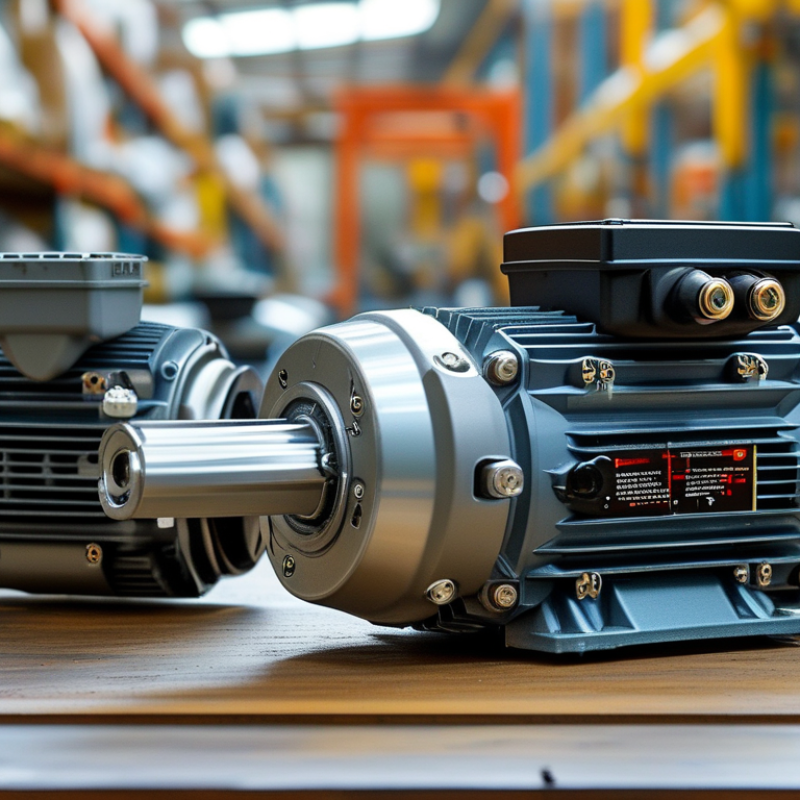
AC motors are vital for many industries, powering everything from fans to conveyor belts. The latest technologies enhance efficiency and performance. Innovations in materials, like high-grade magnets, contribute to better energy conversion. New designs emphasize compactness while maintaining output power.
Sensors now play a crucial role in motor operation. They provide real-time data, allowing for predictive maintenance. However, integrating these technologies can be complex and costly. Manufacturers must navigate these challenges to remain competitive.
The move towards sustainability drives many developments. Many motors now comply with strict energy standards, reducing environmental impact. While this shift is positive, issues related to recycling materials still exist. A comprehensive understanding of both benefits and drawbacks is essential for buyers.
The global AC motor market is rapidly evolving. As we look toward 2026, key manufacturers are focusing on innovation and efficiency. The demand for high-performance AC motors is increasing in various sectors, including industrial, automotive, and renewable energy. These motors are essential for applications requiring reliable and continuous operation.
When selecting an AC motor, consider the motor efficiency ratings. Higher efficiency can lead to significant energy savings. Evaluate the specific needs of your application, such as torque and speed requirements. This will help you choose the right motor for your operations. Reliability is another crucial factor. Poor-quality motors can result in frequent breakdowns, leading to unplanned downtime.
Understanding the landscape of AC motor manufacturers is vital. Look for those investing in research and development. Their commitment to innovation often indicates reliable and high-quality products. However, don’t overlook smaller companies. They often provide specialized solutions that larger manufacturers may not address. The AC motor market is dynamic, and emerging players may disrupt established trends. Keep an eye on these developments for competitive advantages.
The AC motor market is on the brink of transformation as we approach 2026. Industry reports indicate a projected growth rate of approximately 5.5% annually. This growth stems from increased automation across various sectors, such as manufacturing and energy. The demand for energy-efficient motors is also rising. Many companies are now prioritizing sustainability, aligning their products with global energy standards. Such shifts indicate a move towards smarter, more efficient motor solutions.
Advanced technologies, such as IoT integration, are driving innovation. Estimates suggest that smart motors will capture nearly 30% of the AC motor market by 2026. Their capability to provide real-time data ensures operational efficiency. However, concerns arise regarding cybersecurity and data privacy. As manufacturers embrace these technologies, they must also confront potential vulnerabilities. Continuous improvement in technology and operational processes is essential, yet it raises questions about adequate training and awareness in the workforce.
Regional trends also play a significant role. The Asia-Pacific region leads in AC motor adoption, attributed to rapid industrialization. However, this growth leads to supply chain complexities and environmental challenges. Manufacturers face pressure not just for performance but also for eco-friendliness. Balancing innovation with sustainability will be a critical challenge in the coming years. Keeping abreast of these trends is crucial for stakeholders looking to thrive in this evolving market.
| Motor Type | Power Range (kW) | Efficiency Class | Predicted Market Growth (%) | Primary Application |
|---|---|---|---|---|
| Squirrel Cage Induction Motor | 0.37 - 1000 | IE2 - IE3 | 5.5 | Industrial Drives |
| Permanent Magnet Synchronous Motor | 1 - 600 | IE4 | 8.0 | Electric Vehicles |
| Wound Rotor Induction Motor | 250 - 3000 | IE3 | 6.0 | Mining & Heavy Industry |
| Double-Squirrel Cage Motor | 0.75 - 500 | IE2 | 4.5 | Pumps & Fans |
| AMDF (Active Magnetic Drive Motor) | 0.5 - 50 | IE5 | 10.0 | Robotics |
When selecting an AC motor, buyers must consider various factors. Application requirements dictate motor specifications. For example, heavy-duty applications need high-torque motors, while precision tasks may require low-speed options. Efficiency ratings also play a crucial role. More energy-efficient motors can lead to significant cost savings over time.
Environmental conditions are another important consideration. Buyers should think about temperature, humidity, and exposure to contaminants. These factors influence the motor's lifespan and performance. For instance, a motor operating in a humid environment may require additional sealing to prevent moisture ingress. Buyers should conduct thorough assessments to match their conditions with the right motor design.
Choosing an AC motor is not just about the specifications. It involves understanding the application fully. Reflecting on past experiences with similar motors can provide valuable insights. Observing failures or successes helps inform better decisions in future purchases. Each motor selection is unique, requiring careful thought and analysis to ensure the best fit for the task at hand.
In 2026, the focus on sustainability and efficiency in AC motor design becomes even more critical. With rising energy costs and environmental concerns, buyers prioritize systems that minimize energy consumption. Advanced technologies play a key role in achieving this goal, but the integration can be complex. Many designs still struggle with balancing power output and efficiency.
Innovations in materials and smart technologies present opportunities to enhance performance. For instance, using lightweight materials can reduce losses, but sourcing them responsibly can be challenging. Additionally, implementing smart controls allows for dynamic adjustments, yet these systems might require skilled personnel for effective management. Such factors must be thoroughly evaluated by manufacturers and end-users alike.
While the market pushes for high-performance motors, understanding the real-world implications is essential. Product testing and reliability remain areas that need improvement. Consumers often face difficulties in discerning between promotional claims and actual efficiency gains. Transparency and thorough product details can help buyers make informed decisions. As the industry evolves, ongoing reflection on these aspects will foster a more sustainable future.
C motors used for?
Innovations like high-grade magnets boost efficiency and energy conversion, enhancing overall performance.
Sensors provide real-time data for predictive maintenance, improving reliability and operational efficiency.
Sustainable motors comply with energy standards, but challenges with material recycling remain a concern.
Buyers must assess application requirements, efficiency ratings, and environmental conditions before making choices.
Factors like temperature and humidity impact motor lifespan, requiring careful consideration during selection.
Reflecting on previous successes or failures helps buyers make informed decisions for future motor selections.
No, integrating advanced technologies can be complex and costly, posing challenges for manufacturers.
Each application has different requirements, necessitating careful thought and evaluation for the best motor fit.
Balancing performance, efficiency, and sustainability can be challenging, and understanding trade-offs is crucial.
The article "Top AC Motors for Global Buyers in 2026?" explores the evolving landscape of AC motors, highlighting the current technologies that define the industry. Key manufacturers are discussed, establishing a framework for understanding the competitive dynamics in the global AC motor market. As we look towards 2026, the article identifies significant market trends and predictions, emphasizing the increased focus on sustainability and efficiency in AC motor design.
Additionally, factors influencing AC motor selection for buyers are examined, providing valuable insights into decision-making processes. With a growing emphasis on performance and environmental responsibility, understanding these elements is crucial for global buyers seeking optimal solutions in their operations. Overall, the future of AC motors appears promising, driven by innovation and a commitment to enhancing energy efficiency.

Zelt Motor