Top 10 Automotive Motor Types Buyers Should Know?

Time:2026-06-22 Author:Charlotte
0%

The automotive industry is rapidly evolving, and understanding different types of Automotive Motors is crucial for buyers. According to John Anderson, an expert in automotive engineering, “Knowing the right motor type can make or break your vehicle’s performance.” This statement highlights the importance of selecting the appropriate motor, as each type offers unique functionalities and advantages.

Different Automotive Motors cater to various needs. For instance, electric motors are gaining traction due to their efficiency and sustainability. In contrast, internal combustion engines continue to be favored for their power and reliability. Understanding these variations can help buyers make informed decisions.

Many buyers overlook the nuances of Automotive Motors. They may focus solely on price or brand reputation. However, a deeper understanding of motor types can help buyers avoid costly mistakes. Taking time to learn can enhance performance and satisfaction, ultimately leading to smarter investments in the automotive market.
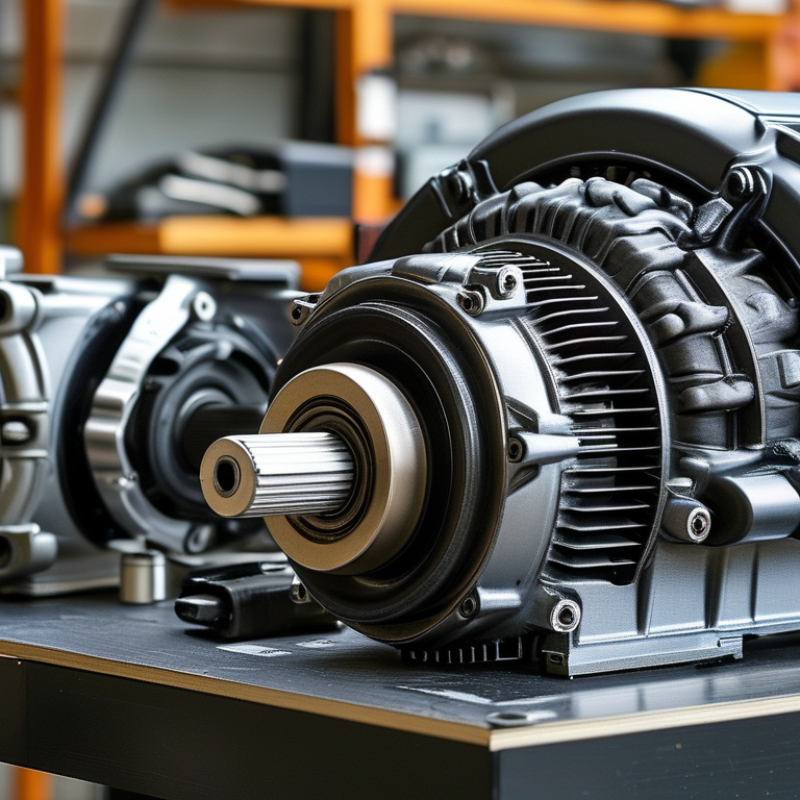
Top 10 Automotive Motor Types Buyers Should Know?

Understanding the Fundamentals of Automotive Motors

Automotive motors play a crucial role in vehicle performance. Understanding their fundamentals can help buyers make informed decisions. There are various motor types, each with unique characteristics. Electric motors are gaining popularity for their efficiency and low emissions. Internal combustion engines, on the other hand, offer proven power and reliability.

Knowing the differences is important. For instance, brushless DC motors provide smooth operation and longer life. However, they can be more complex to maintain. As technology evolves, buyers must consider their specific needs and preferences. Hybrid motors blend traditional and electric technology, offering a balance of power and fuel efficiency. Yet, they may come with higher maintenance requirements.

Buyers should also reflect on their driving habits. Frequent short trips may favor electric motors, while long-distance travels might still require gasoline engines. Studying the pros and cons of each type can enhance decision-making. Ultimately, understanding automotive motors helps buyers choose the right fit for their lifestyle.

Top 10 Automotive Motor Types Buyers Should Know

Motor Type Description Applications Advantages
DC Motor Converts electrical energy into mechanical energy using direct current. Power windows, seat adjustments Simple speed control, easy to use
AC Motor Uses alternating current to produce motion. Air conditioning compressors, power steering Higher efficiency, durability
Stepper Motor Moves in discrete steps, allowing precise control of position. Fuel injection systems, robotics High precision, good holding torque
Brushless DC Motor A type of DC motor that uses electronic commutation. Electric vehicles, drones Longer lifespan, less maintenance
Induction Motor Operates on electromagnetic induction principle. Electric traction, HVAC systems Robust construction, low cost
Synchronous Motor Rotates at a constant speed in sync with the magnetic field. Servo motors in higher-end applications High efficiency, precise speed control
Servo Motor Provides precise control of angular or linear position. Industrial automation, robotics High precision and responsiveness
Switched Reluctance Motor Operates by rotating the magnetically saliencied stator. Electric vehicles, small appliances Simple construction, low cost
Linear Motor Produces linear motion instead of rotary motion. Maglev trains, conveyor systems High speed, low friction
Piezoelectric Motor Uses piezoelectric effect to create motion. Camera autofocus systems Very small size, precise movements

The Importance of Motor Types in Vehicle Performance

When it comes to vehicle performance, understanding motor types is essential. Various motors influence how well a vehicle accelerates, handles energy, and operates under different conditions. According to the International Energy Agency (IEA), electric motors are becoming increasingly common due to their efficiency and reduced carbon footprint. They can achieve an impressive efficiency rate of up to 95%. This efficiency translates to better overall vehicle performance.

The design and type of motor affect torque delivery and responsiveness. Internal combustion engines, for instance, provide a different driving experience compared to electric motors. Research from the U.S. Department of Energy indicates that electric vehicles can deliver 100% of torque instantly. This benefits acceleration and enhances driver control. However, potential shortcomings exist, such as battery range limitations which can impact performance during long trips.

Additionally, hybrid motors combine the best of both worlds. They utilize both electric and traditional fuel sources, optimizing performance and fuel efficiency. However, complexities in their design can lead to maintenance hurdles. Reports indicate that despite these challenges, the market for diverse motor types is growing. Nearly 30% of new vehicle sales in 2025 are expected to include hybrid and electric technologies. Understanding these motor types can help buyers make informed decisions to improve overall vehicle performance.

Exploring Common Motor Types Used in Modern Vehicles

In modern vehicles, electric motors and internal combustion engines play pivotal roles. Electric motors are becoming more common due to advancements in battery technology. A 2022 report from the International Energy Agency indicated that electric vehicles (EVs) represented about 10% of global car sales. This shift highlights the importance of understanding electric motor types.

DC motors are popular in applications requiring precise control. They are simpler in design and efficient. However, they may not perform well under high load conditions. In contrast, AC motors, especially induction motors, are robust and widely used. These motors excel in efficiency and reliability, making them ideal for various driving conditions.

Electric vehicle buyers should be aware of these motor types. **Tip:** Always consider the motor's efficiency when choosing a vehicle. Another key point: look into the maintenance requirements of different motors. This factor can significantly affect long-term ownership costs. Understanding these details helps make informed decisions. The motor's choice impacts not just performance but also environmental considerations.

Top 10 Automotive Motor Types Buyers Should Know

Comparing Electric, Hybrid, and Combustion Engine Motors

Electric, hybrid, and combustion engine motors are key players in the automotive landscape. Electric motors have gained traction, offering zero emissions and high efficiency. According to a recent report from the International Energy Agency, electric vehicle sales surged by 40% in 2021, reflecting growing consumer preference. These motors convert over 90% of electrical energy into movement. However, they demand extensive charging infrastructure, which is still developing.

Hybrid engines combine traditional combustion with electric components. This design enhances fuel efficiency significantly. A study by the U.S. Department of Energy suggests that hybrids can achieve up to 50 miles per gallon, depending on the model. Still, many buyers face confusion over maintenance and battery longevity. Combustion engines, while being the most familiar, are under scrutiny. They release carbon emissions and contribute to air pollution. The transition to cleaner alternatives may leave combustion engine owners pondering their vehicles' future value.

Each motor type has advantages and challenges. Understanding these can guide consumers in making informed decisions. Adopting a one-size-fits-all approach may overlook personal needs. Evaluating local infrastructure, driving habits, and environmental impacts is crucial for the future driver.

Key Factors to Consider When Choosing an Automotive Motor

When selecting an automotive motor, you should consider several critical factors. The type of motor greatly impacts performance and efficiency. For instance, electric motors offer instant torque and better fuel economy compared to traditional internal combustion engines. They are simpler in design, often weighing less, which can enhance overall vehicle performance.

Another essential aspect is the power output. Buyers should assess the motor's horsepower and torque ratings. These metrics dictate how a vehicle accelerates and performs under various conditions. A high-output motor can provide a thrilling driving experience but may also lead to higher fuel consumption. Balance is key.

Lastly, think about your long-term needs. Reliability and maintenance costs play significant roles in ownership satisfaction. Motors with fewer moving parts, like electric variants, can reduce maintenance hassles. However, some traditional motors have extensive aftermarket support. Researching these factors helps ensure your investment meets your expectations.

FAQS

: What is the main role of automotive motors in vehicles?

: Automotive motors are crucial for vehicle performance and efficiency.

What are the benefits of electric motors?

Electric motors offer high efficiency and produce low emissions. They are growing in popularity.

How do brushless DC motors differ from traditional motors?

Brushless DC motors provide smoother operation but are more complex to maintain.

What should buyers consider regarding hybrid motors?

Hybrid motors combine electric and traditional technology, balancing power and efficiency. Maintenance may be higher.

How do driving habits affect motor choice?

Short trips favor electric motors, while long-distance travel often suits gasoline engines better.

Why is it important to study motor types?

Understanding motor types aids in making informed decisions, impacting performance and ownership costs.

What motor types are common in modern vehicles?

Key types include electric motors, DC motors, and AC induction motors, each with specific advantages.

How does maintenance affect the choice of motors?

Maintenance requirements vary by motor type and can influence long-term ownership costs.

What factor should be considered when choosing a motor?

Always consider the motor's efficiency and environmental impact when selecting a vehicle.

What about the performance of DC motors?

DC motors are efficient but struggle under heavy loads, limiting their application potential.

Conclusion

The article "Top 10 Automotive Motor Types Buyers Should Know" provides a comprehensive overview of the various types of automotive motors that play a crucial role in vehicle performance. It begins by explaining the fundamentals of automotive motors, emphasizing their significance in determining the efficiency and capability of vehicles. The difference between electric, hybrid, and combustion engine motors is explored, highlighting the advantages and disadvantages of each type in terms of performance and environmental impact.

Moreover, the article outlines key factors that buyers should consider when selecting an automotive motor, such as power output, fuel efficiency, and maintenance needs. By understanding the diverse array of motor types available, buyers can make informed decisions that align with their driving preferences and environmental values. This knowledge is essential for navigating the evolving landscape of the automotive industry.

Charlotte

Charlotte

Charlotte is a seasoned marketing professional with a deep understanding of the company's portfolio and a passion for elevating its presence in the market. With a keen eye for detail and a commitment to excellence, she ensures that our professional blog is regularly updated with insightful articles......