 Zelt Motor
Top 10 Low Voltage Motors Buyers Need to Know?
In the evolving landscape of industrial technology, understanding Low Voltage Motors is crucial for buyers. According to Dr. Emily Chen, a leading expert in motor technology, "Choosing the right low voltage motor can significantly impact efficiency and overall performance." As industries adopt more automated systems, the demand for efficient low voltage motors rises. Buyers often struggle to navigate the options available.
Low voltage motors are pivotal in applications ranging from HVAC systems to conveyor belts. Their ability to operate reliably under various conditions makes them indispensable. However, misconceptions about their capabilities can lead to poor purchasing decisions. Many buyers focus solely on price, overlooking critical factors like energy efficiency and torque ratings.
Awareness of these aspects is vital for making informed choices. As Dr. Chen emphasizes, "Buyers must prioritize performance over cost." The right low voltage motor not only enhances productivity but also contributes to long-term savings. As we explore the top ten considerations for selecting low voltage motors, it is essential to reflect on the balance between quality and budget.
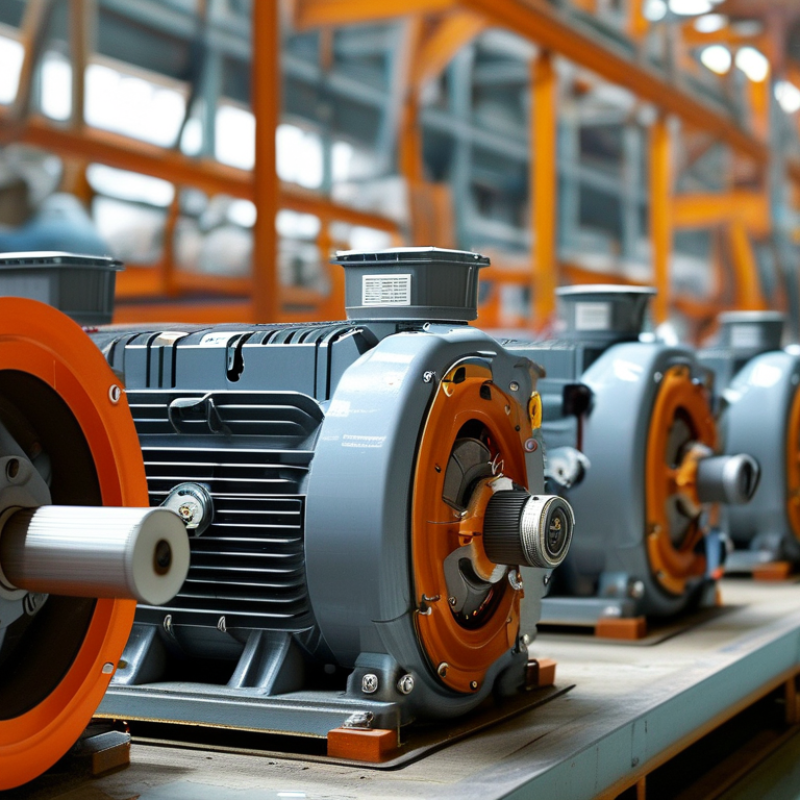
Understanding Low Voltage Motors: A Comprehensive Overview
Low voltage motors (LVMs) play a crucial role in various sectors, including manufacturing and infrastructure. Often defined as motors operating at voltages up to 1000 volts, their efficiency and energy consumption are paramount. According to the International Energy Agency, motor systems account for roughly 60% of the global electricity consumption in industrial sectors. This staggering figure underscores the importance of selecting the right low voltage motor for energy efficiency.
One notable trend is the shift toward energy-efficient designs. The U.S. Department of Energy reports that using high-efficiency low voltage motors can lead to energy savings of 2% to 8% compared to standard models. This statistic drives businesses to reassess their motor systems. However, it is essential to consider the application, installation, and environmental factors affecting performance. For instance, prolonged exposure to extreme conditions may compromise motor longevity, necessitating more frequent replacements.
Training and understanding of motor applications are often lacking, impacting buyer decisions. Manufacturers note that 70% of motor failures are due to improper specification. Buyers must learn about service factors, torque requirements, and operational duty cycles. Engaging with industry resources can help bridge knowledge gaps. Still, relying solely on brochures or webinars may lead to oversight. Proper research and consultation with experts can mitigate risks, enhancing motor lifecycle and operational performance.
Top 10 Low Voltage Motors Buyers Need to Know
| Motor Type | Power Range (kW) | Efficiency Class | Applications | Voltage (V) |
|---|---|---|---|---|
| Induction Motor | 0.75 - 500 | IE3 | Pumps, Fans | 230/400 |
| Synchronous Motor | 0.5 - 1000 | IE4 | Compressors, Conveyors | 400 |
| Servo Motor | 0.1 - 15 | IE2 | Robotics, CNC Machinery | 230/400 |
| Brushless DC Motor | 0.1 - 5 | IE3 | Fans, Electric Vehicles | 24/48 |
| Stepper Motor | 0.05 - 2 | N/A | 3D Printers, Robotics | 12/24 |
| Single Phase Motor | 0.1 - 5 | IE2 | Household Appliances | 230 |
| Three Phase Motor | 0.75 - 500 | IE3 | Industrial Equipment | 400 |
| Permanent Magnet Motor | 0.5 - 500 | IE4 | Electric Vehicles, Robotics | 230/400 |
| AC Fan Motor | 0.1 - 10 | IE2 | HVAC, Cooling | 230 |
| Gear Motor | 0.2 - 300 | IE3 | Conveyors, Automotive | 400 |
FAQS
: Efficiency is crucial. Motors consume a large share of industrial electricity, so energy-efficient options help save costs.
A power factor above 0.9 is preferred. This ensures efficient performance and minimizes energy waste during operation.
Starting torque is essential for applications with high initial loads. Adequate torque ensures smooth operation from the start.
Reliability impacts productivity. Unplanned downtimes can be costly, making it vital to choose durable designs and materials.
Regular maintenance is essential. Many users forget this, affecting their motors' lifespan and efficiency significantly.
These motors are used in manufacturing, HVAC systems, and water treatment. They enhance energy efficiency and operational effectiveness.
Energy efficiency relates directly to operational costs. Choosing an efficient motor can lead to significant savings over time.
Materials and labor costs significantly affect pricing. High-quality materials may raise initial costs, but they often improve efficiency.
Request detailed specifications. Look for transparent pricing and consider total lifecycle costs, not just the initial price.
Balance quality and price to avoid overspending. Understanding your specific needs can prevent performance issues.
Conclusion
Low Voltage Motors are essential components in various industrial applications, providing reliable and efficient performance. Understanding these motors involves a detailed overview of their functionalities and key features to consider, such as efficiency, power rating, and compatibility with existing systems. Selecting the right Low Voltage Motor is crucial for specific applications ranging from HVAC systems to conveyor belts, making it important for buyers to know their options.
Cost factors also play a significant role in the decision-making process, with considerations including material quality and technological advancements. To ensure the longevity and effectiveness of Low Voltage Motors, maintenance best practices are vital. Regular inspections, lubrication, and adherence to operational guidelines help enhance performance and reduce unexpected downtimes. Overall, gaining insights into these areas empowers buyers to make informed decisions that align with their operational needs.
