Top Sell Motors for Global Buyers in 2026 Insights?

Time:2026-07-09 Author:Ethan
0%

As we look ahead to 2026, the landscape of Top Sell Motors is rapidly evolving. Industry experts forecast significant shifts driven by consumer preferences and technological advancements. According to a recent report by Global Automotive Insights, electric vehicles (EVs) are projected to dominate, capturing nearly 30% of the global market share by 2026. Embracing sustainability and efficiency, these trends will redefine what it means to be a leading player in the automotive sector.

Johnathan Stokes, a respected authority in the automotive industry, emphasizes this shift, stating, "Understanding consumer needs and preferences is crucial for Top Sell Motors to thrive." His insights highlight the importance of adapting to market dynamics. In the realm of electric vehicles, manufacturers must address infrastructure challenges while ensuring safety and reliability for end-users. This balancing act presents both obstacles and opportunities, necessitating thoughtful strategies from industry leaders.

Furthermore, the rising significance of artificial intelligence and connectivity cannot be overlooked. This technology will enhance the driving experience but may also lead to new concerns regarding cybersecurity. With these factors at play, stakeholders in the Top Sell Motors segment must stay agile and forward-thinking. Planning for these changes requires not only technical innovation but also a commitment to ethical practices and sustainable growth. The road to 2026 promises to be both challenging and rewarding for those who lead the charge in this fast-evolving marketplace.
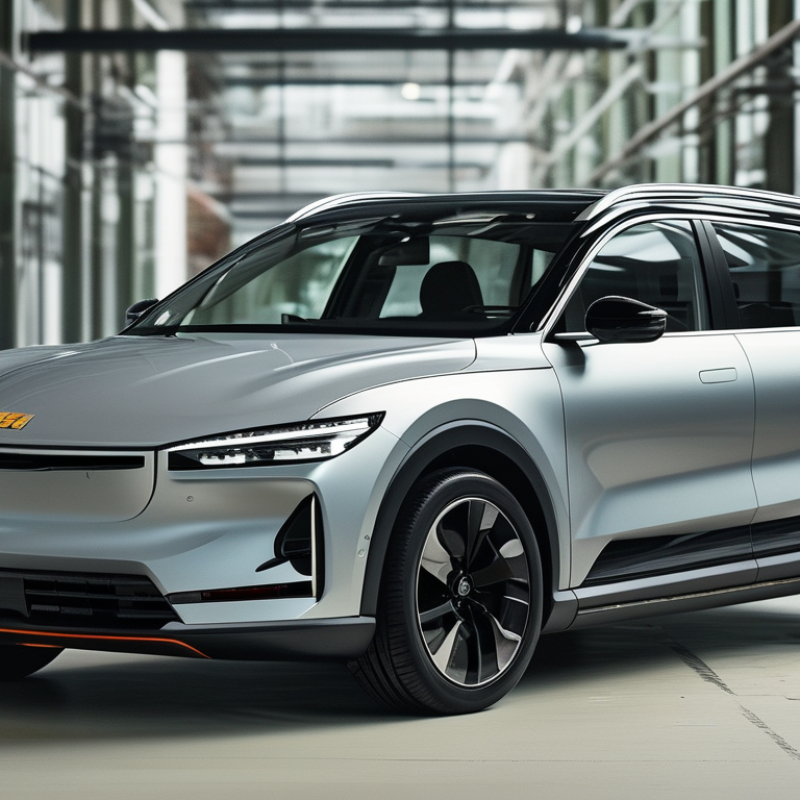
Top Sell Motors for Global Buyers in 2026 Insights?

Global Automotive Market Forecast and Trends for 2026

The global automotive market is expected to see significant growth in 2026, driven by various trends. According to a report by MarketsandMarkets, the automotive industry is projected to reach $7 trillion by 2026. This growth is fueled by increasing demand for electric vehicles (EVs) and advancements in automotive technology. By 2026, EVs may occupy over 30% of the total automotive market share.

As consumers become more environmentally conscious, the demand for sustainable vehicles rises. A study from McKinsey shows that approximately 70% of global buyers are now leaning toward EVs, reflecting a shift in consumer preferences. Automakers will need to adapt to this trend, focusing on innovations that enhance vehicle performance and sustainability. However, challenges remain. The transition to electric mobility requires addressing supply chain issues, particularly for batteries.

Moreover, the regulatory landscape is evolving. Governments worldwide are implementing stricter emissions standards. This could impact traditional combustion engine vehicles. Companies may face pressure to innovate rapidly or risk losing market share. The competitive dynamics in the automotive sector call for agility and strategic foresight. Keeping an eye on these developments will be critical for stakeholders in 2026.

Top Sell Motors for Global Buyers in 2026 Insights

Motor Type Estimated Units Sold (Millions) Market Share (%) Growth Rate (%)
Sedan 12.5 25% 3%
SUV 15.2 30% 5%
Truck 8.9 18% 4%
Hatchback 7.0 14% 2%
Electric Vehicle 6.5 12% 10%

Key Factors Driving Demand for Electric Vehicles in Global Markets

The global demand for electric vehicles (EVs) is surging, driven by multiple key factors. One major driver is the increasing consumer awareness regarding environmental impact. A report from the International Energy Agency (IEA) states that EV sales exceeded 10 million in 2022, marking a 55% increase from the previous year. This trend emphasizes the shift towards sustainable transportation, as more buyers prioritize eco-friendly options.

Government policies also play a crucial role. Many countries are implementing stricter emissions regulations and offering incentives for EV adoption. For instance, the European Union aims to cut carbon emissions by 55% by 2030, directly influencing consumer choices. In 2022, around 24% of new car sales in Europe were electric, highlighting the effectiveness of these initiatives.

However, challenges remain in the transition to electric mobility. Battery production and supply chain issues pose significant hurdles. The industry grapples with sourcing materials like lithium and cobalt, essential for efficient batteries. Reports indicate that by 2025, battery costs may increase due to these supply constraints. This requires reflection on how to streamline production processes and ensure sustainability. As demand grows, the industry must address these obstacles to fully realize the potential of electric vehicles.

Leading Automotive Brands and Their Market Share in 2026

The automotive landscape is rapidly evolving, with significant shifts expected by 2026. According to recent market analysis, electric vehicles (EVs) are projected to command about 40% of the global market share. This change reflects consumer preference for sustainable options. The growing demand for EVs has led many traditional car manufacturers to pivot their strategies. They must innovate to stay competitive.

Consumer insights indicate that brand loyalty is declining. Buyers are increasingly willing to explore new entrants in the market. Consequently, this opens opportunities for emerging brands to capture market share. Market reports suggest that top players will still hold significant positions, but their strategies must adapt quickly. This creates challenges for established companies that need to balance innovation and tradition.

Tip: Always research emerging brands. They may offer better value and innovative features. In a shifting market, traditional brands may not always lead. Analyze customer reviews and market performance before making decisions.

Investors should prepare for volatility. Market dynamics are unpredictable as new technologies emerge. While established brands have the advantage of experience, consumers are not afraid to embrace change. This unpredictability can cause brands to rethink their market strategies and customer engagements consistently. Understanding consumer behavior is crucial for success in this evolving marketplace.

Emerging Markets: Growth Opportunities for Automotive Sales in 2026

Emerging markets present significant growth opportunities for automotive sales in 2026. According to recent industry reports, these regions are expected to see a compound annual growth rate (CAGR) of approximately 7-10% by 2026. Countries in Southeast Asia, Africa, and South America are experiencing urbanization and rising disposable incomes. This shift is driving demand for personal vehicles and commercial transportation.

Data from the Global Automotive Market Report indicates that electric vehicle sales in emerging markets could triple in the next few years. Governments are introducing policies to support sustainable transport. However, challenges remain. Infrastructure for electric charging is still underdeveloped in many regions. Furthermore, consumer awareness around electric vehicles is low, leading to a slower adoption rate.

The competitive landscape is evolving. Traditional market leaders must adapt to local consumer preferences. Collaborations with local manufacturers can ease market entry but may pose risks. Economic instability in some areas adds to the uncertainty. Companies must navigate these complexities to seize new opportunities. Balancing innovation with strategic partnerships will be crucial for long-term success.

Top Selling Motors for Global Buyers in 2026

This chart illustrates the projected sales of motors for global buyers in various regions in 2026, highlighting the significant opportunities in emerging markets.

Impact of Sustainability Regulations on Global Automotive Buying Patterns

As we approach 2026, sustainability regulations are reshaping global automotive buying patterns. Many buyers now prioritize environmentally friendly options. Electric vehicles (EVs) and hybrids are gaining traction. These trends reflect a broader societal shift towards sustainability. Buyers are more informed about the carbon footprint of their choices.

Tips: Consider how fuel efficiency impacts long-term costs. Explore government incentives for greener vehicles. Research local emissions regulations to ensure compliance.

Another notable trend is transparency. Consumers demand more information on vehicle sourcing and production. Prices of sustainable vehicles can be higher, but increasing awareness may justify the cost. Buyers should weigh the environmental benefits against potential drawbacks like limited range.

Tips: When shopping, compare operational costs of various models. Look for transparency in emissions data. Test drive multiple vehicles to find the best fit.

FAQS

: What is the expected growth of the global automotive market by 2026?

: The global automotive market is projected to reach $7 trillion by 2026.

What is driving the growth in electric vehicles (EVs)?

Increasing demand for sustainable vehicles is driving growth in EVs.

How much of the automotive market will EVs occupy by 2026?

EVs may occupy over 30% of the total automotive market share.

What challenges do automakers face with the shift to electric mobility?

Supply chain issues, especially for batteries, are significant challenges.

How are governments influencing the automotive market?

Governments are implementing stricter emissions standards, affecting traditional vehicles.

What growth opportunities exist in emerging markets?

Emerging markets may see growth rates of 7-10% in automotive sales by 2026.

How is urbanization affecting vehicle demand?

Rising disposable incomes and urbanization are driving the demand for personal vehicles.

What hurdles exist for electric vehicle adoption in emerging markets?

Underdeveloped charging infrastructure and low consumer awareness slow adoption.

What strategic actions should companies take in evolving markets?

Companies should adapt to local preferences and consider partnerships with local manufacturers.

Why is consumer preference shifting towards electric vehicles?

About 70% of global buyers are now leaning towards EVs due to environmental concerns.

Conclusion

The article titled "Top Sell Motors for Global Buyers in 2026 Insights" delves into key trends and forecasts for the automotive market in 2026. It highlights the surging demand for electric vehicles driven by consumer preferences and sustainability regulations, indicating that these factors will significantly influence purchasing patterns. The analysis also identifies emerging markets as vital growth opportunities, where rising incomes and urbanization are expected to boost automotive sales.

Moreover, leading automotive brands and their market shares are examined, providing insights into competitive dynamics within the industry. With sustainability playing an increasingly crucial role, the article underscores how stringent regulations are shaping global buying behaviors, ultimately leading to the evolution of "Top Sell Motors" that not only prioritize performance but also environmental responsibility.

Ethan

Ethan

Ethan is a seasoned marketing professional with a deep expertise in our company's innovative product line. With a passion for sharing knowledge and insights, he takes the lead in regularly updating our corporate blog, where he explores industry trends, product features, and effective marketing......