In the rapidly evolving landscape of technology, the coreless DC motor stands out for its innovative design and performance. This component has transformed the field of motion control, delivering high efficiency and reliability. As buyers look for the latest advancements, understanding current trends in coreless DC motors becomes crucial. These motors offer benefits such as reduced weight and compact size, making them ideal for various applications.
The advancements in coreless DC motors are not without challenges. Buyers must navigate the complexities of technology integration and cost considerations. This requires informed decision-making and a keen understanding of the specific needs of their projects. Market trends indicate a growing demand for customization and precision, prompting manufacturers to innovate continuously.
As we explore the top trends for 2026, it is essential to consider how coreless DC motors can meet the shifting needs of industries. From robotics to automotive applications, the versatility of these motors cannot be understated. Their significance will only increase as sectors evolve and seek more efficient solutions.
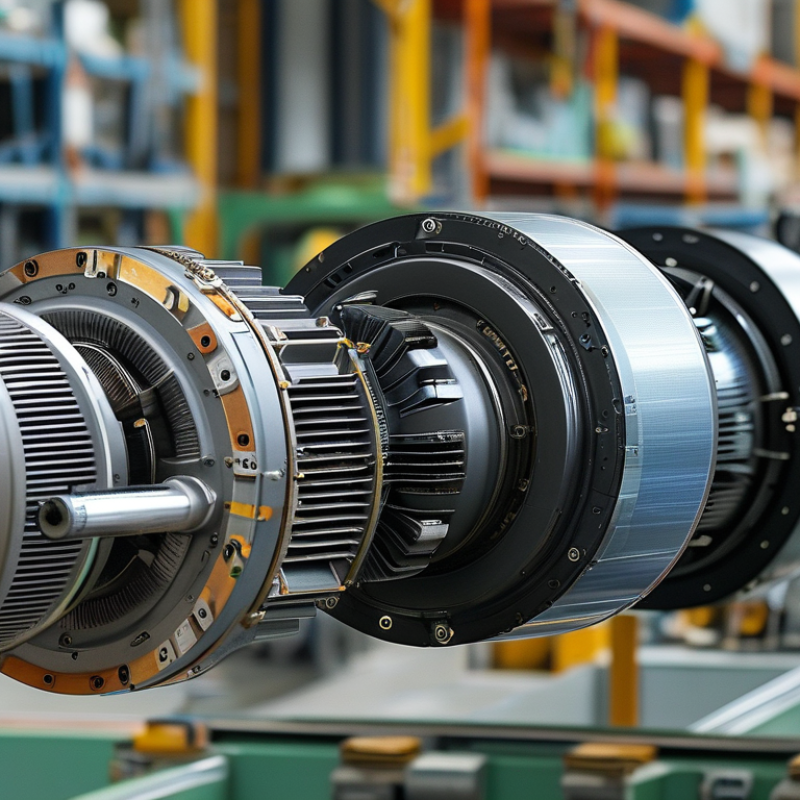
Overview of Coreless DC Motor Technology Trends in 2026
The coreless DC motor technology is evolving rapidly. In 2026, we anticipate several key trends that will shape purchasing decisions. One significant trend is the increasing demand for energy efficiency. Reports suggest that efficient motors can reduce energy consumption by up to 30%. This is crucial as businesses increasingly focus on sustainability.
Another emerging trend is the miniaturization of coreless DC motors. The market is witnessing a shift toward smaller, lighter motors that do not compromise performance. This development can be attributed to the rising demand in sectors such as robotics and aerospace. The global coreless DC motor market is projected to grow at a CAGR of 8% between 2023 and 2028. However, manufacturers face challenges in maintaining reliability while decreasing size.
Furthermore, advancements in smart technology are influencing motor design. Smart coreless DC motors equipped with sensors allow for real-time monitoring and diagnostics. This can enhance maintenance practices and increase lifespan. Despite these advancements, the integration of smart features can complicate the design process, requiring manufacturers to balance innovation with usability. These trends indicate a promising future, yet they come with complexities that require thoughtful consideration.
Key Innovations Influencing Coreless DC Motor Performance
The coreless DC motor technology is evolving rapidly. Key innovations are reshaping performance metrics. These advancements enhance efficiency, size, and weight. As manufacturers explore new materials, we see significant improvements.
One such innovation is the introduction of advanced magnets. These materials can provide greater torque without increasing motor size. This allows for more compact designs in various applications. Another trend is the integration of smart technology. Motors with built-in sensors optimize energy usage and performance. They can adapt to varying loads and conditions.
However, not all developments are flawless. Some advanced materials can increase costs. Decision-makers must evaluate the balance between performance and budget. Sustainability also poses challenges. Finding eco-friendly materials while maintaining performance remains an ongoing quest. The future of coreless DC motors is promising, yet it’s a complex journey ahead.
Sustainability and Environmental Impact in Coreless Motor Design
As industries increasingly prioritize sustainability, the design of coreless DC motors is evolving. These motors are known for their compact size and efficiency. However, their environmental impact deserves careful consideration. More manufacturers are using recyclable materials in production. This shift reduces waste and promotes a circular economy approach.
Creating coreless motors with lower energy consumption is also crucial. Engineers are focusing on optimizing designs to decrease power usage. This presents a challenge. Balancing performance with environmental goals can be complex. It's essential to ensure that these improvements do not compromise motor reliability. Innovations in magnetic materials offer promising avenues. More research is needed to assess long-term effects on sustainability.
The trend towards eco-friendly manufacturing is not without its hurdles. Some suppliers still rely on traditional methods. This can lead to increased carbon footprints. Businesses must invest in sustainable practices. Transparency in sourcing materials is vital. Buyers increasingly demand solutions that prioritize both performance and sustainability.
Market Demands Shaping the Future of Coreless DC Motors
The market for coreless DC motors is evolving rapidly. Buyers now seek motors that deliver higher efficiency and performance. As industries push for sustainability, the demand for energy-efficient solutions grows. Coreless DC motors are emerging as a preferred choice due to their compact design and lightweight nature. This shift is driven by applications in robotics, automotive, and consumer electronics, where precision and reliability are crucial.
Market trends indicate a growing interest in customization. Buyers often require specific features to meet their unique needs. This has led to an increase in manufacturers offering tailored solutions. However, not all buyers are aware of the complexities involved in motor selection. Many remain unsure about the implications of power density versus torque. These decisions can significantly impact overall system performance. Buyers must navigate these considerations carefully to avoid costly mistakes.
In addition, the rapid advancement of technology in motor design poses challenges. New materials and methods are continually introduced, leading to confusion in the buying process. Understanding the interplay of innovation and application is vital. Buyers must engage with knowledgeable suppliers to explore the latest advancements. This dialogue can provide insights into what best suits their requirements. The evolving landscape of coreless DC motors presents both opportunities and challenges that warrant deeper exploration.
Application Areas Driving Growth in Coreless DC Motor Technology
The coreless DC motor technology is witnessing a substantial surge, driven by various application areas. Robotics is a significant contributor. As robots become more commonplace in industries, the demand for motors that are lightweight and compact is increasing. Coreless motors meet these needs with high efficiency and precision, making them ideal for robotic arms and drones.
Healthcare applications are also emerging. These motors play a vital role in medical devices. They enable precise movements in surgical instruments and imaging devices. This precision is crucial for patient safety and successful procedures. The compact design of coreless motors allows for integration into devices with limited space, providing innovative solutions in medical technology.
In addition, the consumer electronics industry is utilizing coreless DC motors. They enhance user experiences in everyday devices. Whether powering wireless tools or optimizing battery life, their efficiency is noteworthy. As technology evolves, buyers must consider these trends to ensure they invest in reliable and versatile solutions.
Despite these advancements, challenges remain, such as cost and production complexities. Addressing these issues is essential for the continued growth of coreless motor technology.
FAQS
: Innovations in materials and technology are reshaping performance and efficiency. New magnets enhance torque while keeping size compact.
More manufacturers are using recyclable materials, promoting a circular economy approach and reducing waste in production.
Balancing performance with environmental goals is complex. It’s crucial not to compromise motor reliability in the process.
Buyers seek motors with specific features to meet individual needs, leading to more manufacturers offering tailored solutions.
Understanding the balance between power density and torque is vital. Complex decisions can impact overall system performance.
Transparency in sourcing is essential. Businesses must evaluate suppliers to avoid reliance on traditional methods with high carbon footprints.
Built-in sensors in motors optimize energy usage and adapt to varying loads, improving overall performance significantly.
No, some advanced materials can raise costs. Companies must assess the trade-off between performance and budget effectively.
As demand for energy-efficient solutions rises, coreless motors are favored for their compact design in industries like robotics and electronics.
Engaging with knowledgeable suppliers is critical for understanding innovations and finding solutions that best meet their requirements.
Conclusion
The article "2026 Top Trends in Coreless DC Motor Technology for Buyers" provides an insightful overview of the advancements expected in coreless DC motors. Key innovations are anticipated to significantly enhance performance, driven by technological breakthroughs and consumer demand. Sustainability is becoming a crucial factor, with designers focusing on environmentally friendly practices in coreless motor development.
Market trends are reshaping the landscape of coreless DC motors, as application areas such as robotics, medical devices, and electric vehicles drive growth. As buyers look to invest in advanced motor technologies, understanding these trends and innovations will be vital to making informed decisions that align with market demands and sustainability goals.
 Zelt Motor
