Zelt Motor
High-Precision IoT Actuators & Micro Drives
Explore our premium grade micro-motors engineered for rapid deployment across high-performance connected architectures, medical appliances, and automated smart locks.
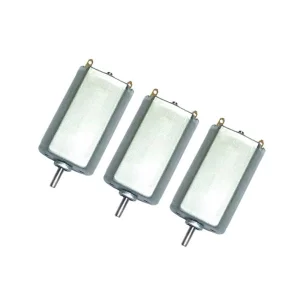
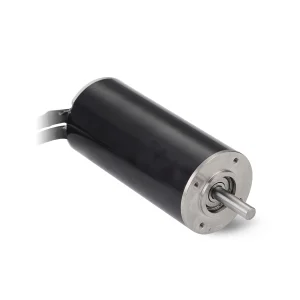
1. The Global Landscape of IoT Motors & Smart Actuation Systems
In the contemporary era of hyper-connectivity, the boundary between mechanical kinetic movement and digital computation has completely dissolved. The Internet of Things (IoT) is no longer restricted to sensors collecting ambient data; it now actively shapes physical spaces through precise, reliable, and network-integrated kinetic actuators. At the heart of this physical-to-digital bridge are micro-drive technologies: brushless DC (BLDC) motors, planetary gear motors, and coreless servo drives customized for constant communication and real-time responsiveness.
“Industry forecasts indicate the global micro-motor market in IoT applications will surpass USD 15.6 Billion by 2028, growing at a CAGR of 8.4%. The primary growth drivers are smart locking solutions, remote automotive subsystems, precision healthcare dispensers, and portable robotics.”
To successfully integrate a micro-drive into an IoT framework, engineers must evaluate parameters far beyond standard torque and speed ratings. An optimized IoT motor requires low electromagnetic interference (EMI) profiles to prevent signal degradation on nearby Bluetooth, Wi-Fi, or cellular modems. Furthermore, power efficiency is paramount; battery-driven smart locks, robotic drones, and remote diagnostic probes demand ultra-low quiescent current draws and maximum conversion efficiency to ensure long maintenance intervals and low total cost of ownership (TCO).
Critical Physical Constraints in Connected Hardware
Unlike typical utility motors, IoT micro-drives operate under intense spatial and thermal boundaries. Encapsulated in small cosmetic shells (such as smart locks or wearable medical pumps), these motors lack external ventilation. Thus, heat dissipation efficiency and thermal monitoring are vital to prevent premature wear. Furthermore, the integration of Hall-effect sensors, optical encoders, and integrated drive electronics requires microscopic assembly standards to prevent mechanical drift over millions of operational duty cycles.
2. China's Efficiency Advantage in Advanced Micro-Motor Production
China's dominance in the global B2B micromotor supply chain goes beyond raw cost advantages. It lies within vertical integration, ultra-efficient rapid prototyping, and automated factory infrastructures. When global OEMs seek high-volume manufacturing partners for complex IoT devices, they choose Chinese manufacturing clusters because of the highly localized supply chains for raw components: NdFeB (Neodymium) permanent magnets, precision copper stator wires, and micro-gear components are sourced, tested, and assembled within tightly knit logistical hubs.
At Zelt Motor, we bridge the gap between high-volume manufacturing throughput and strict international engineering standards. We eliminate unnecessary distribution layers, delivering high-torque, industrial-grade micro drives directly from our quality-controlled production facilities to your global integration sites.
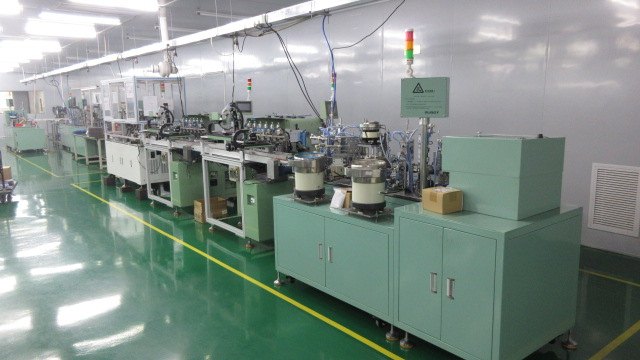
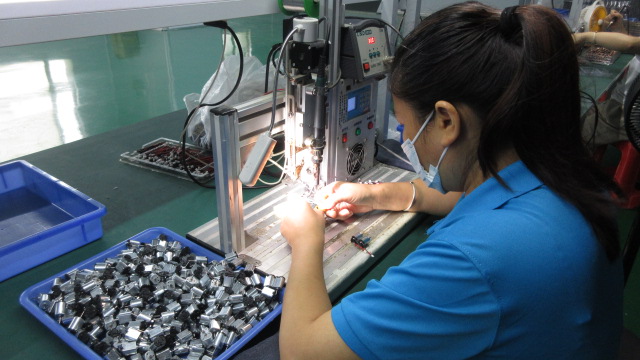
Ultra-Precision Automated Assembly
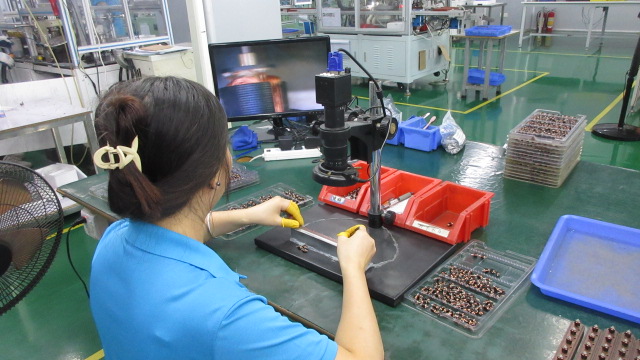
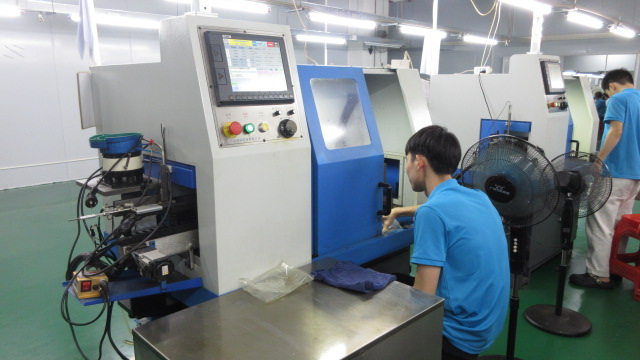
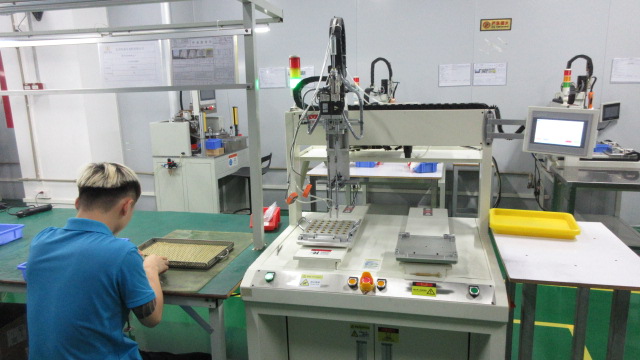
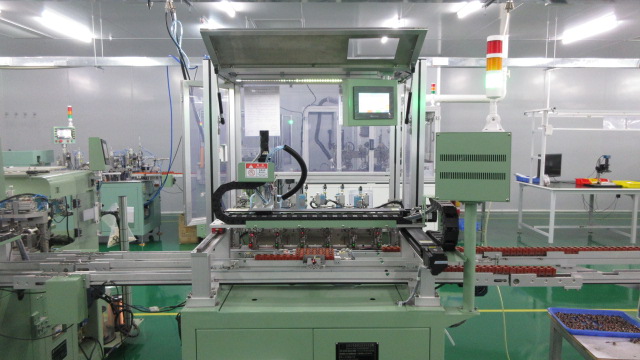
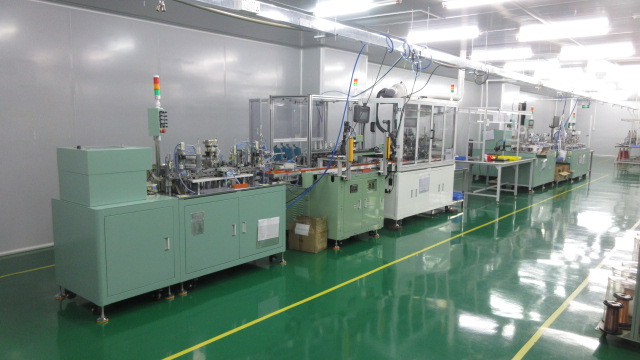
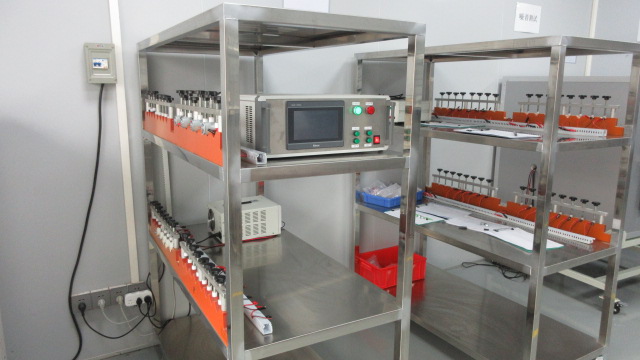
Our facility employs fully automatic pressing and winding machines that guarantee micron-level winding consistency, minimizing rotor imbalances and electrical cogging.
Flexible Rapid Prototyping
Custom shafts, special gearbox ratios, and unique connector harnesses are engineered, built, and shipped for client testing in record timeframes.
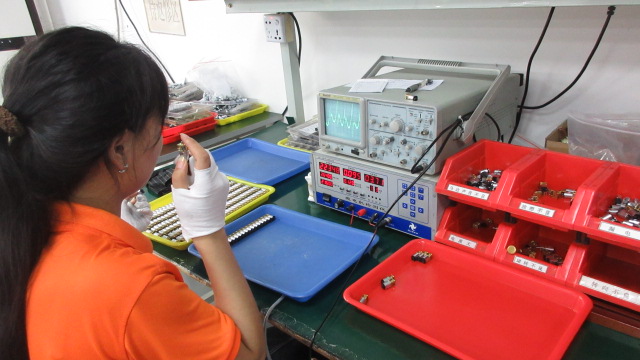
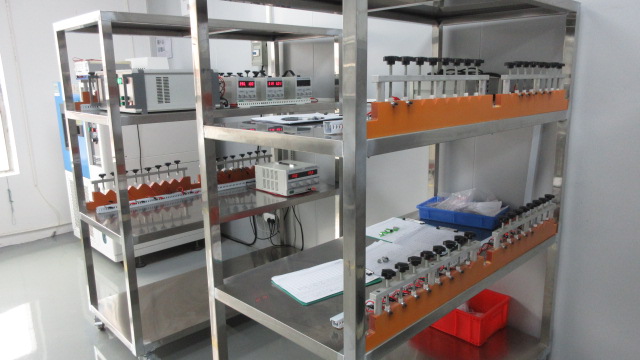
End-to-End Quality Validation
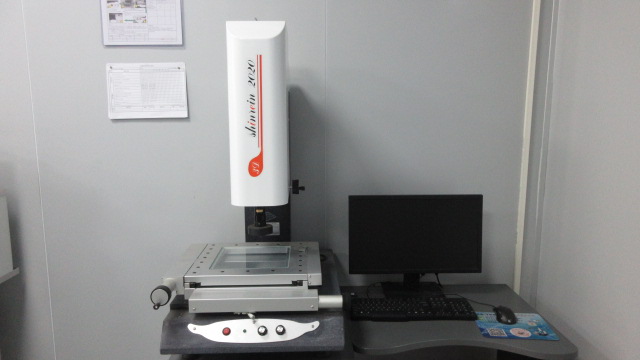
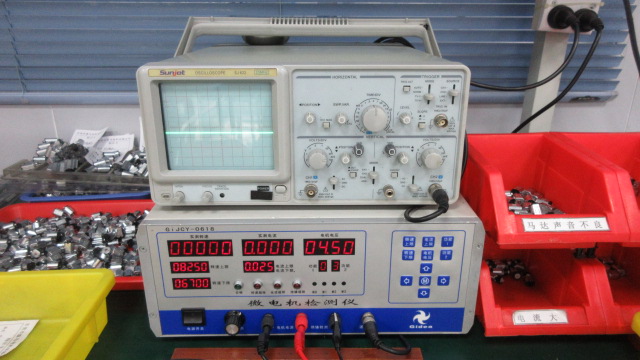
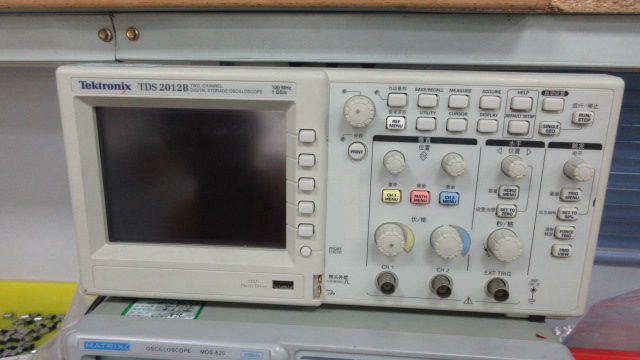
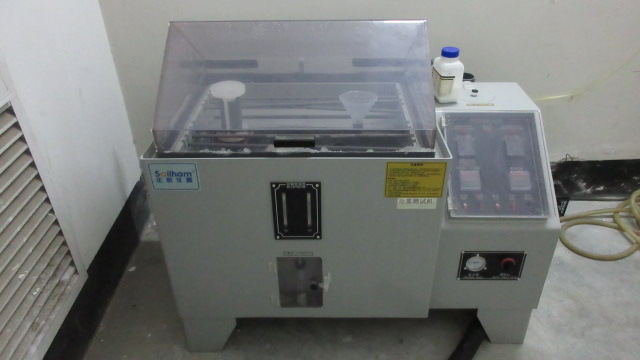
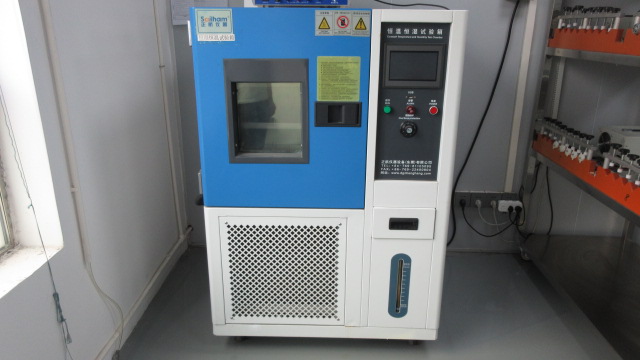
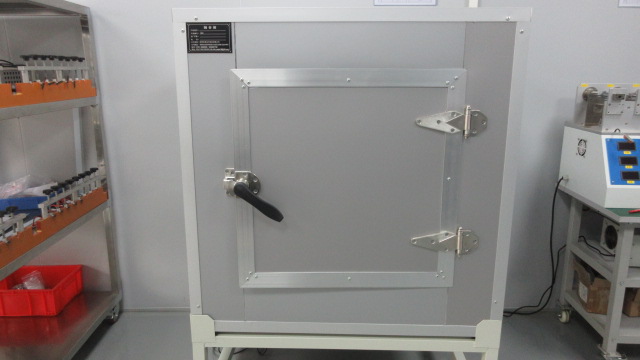
A suite of comprehensive digital testers, salt-spray chambers, and coordinate measuring machines ensure physical durability and structural integrity.
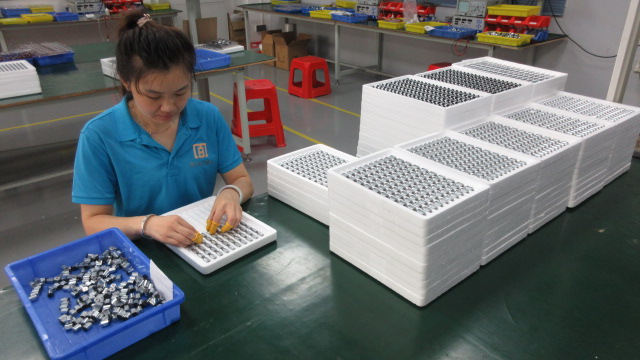
Our 20+ years of industrial legacy translates to stable production runs. When an OEM requests an order of 100,000 units of custom 12mm coreless BLDC motors for medical insulin pumps or automated smart locks, our automated infrastructure ensures unit-to-unit consistency, with zero variance in voltage threshold, rotational speed, or torque curvature.
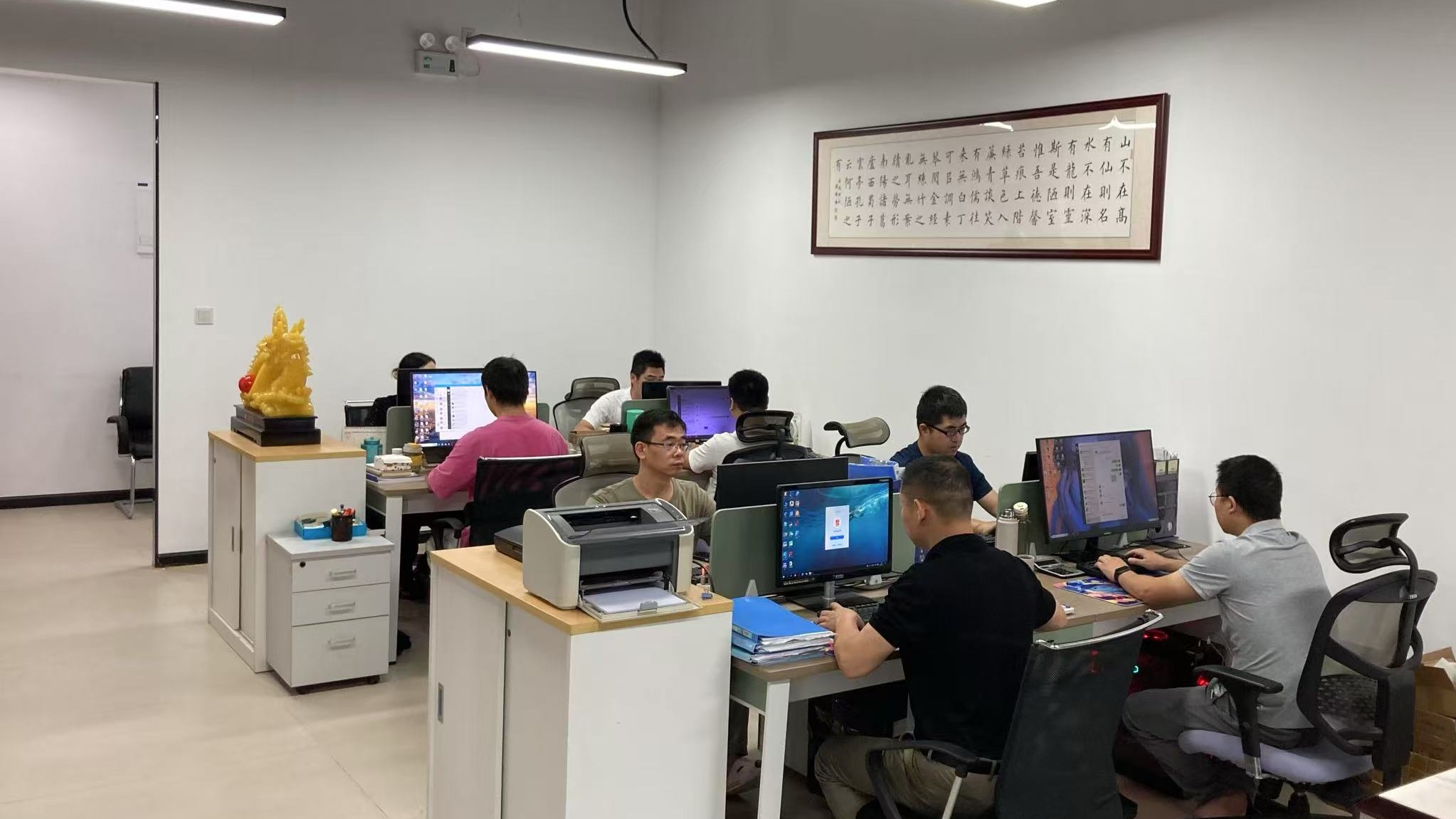
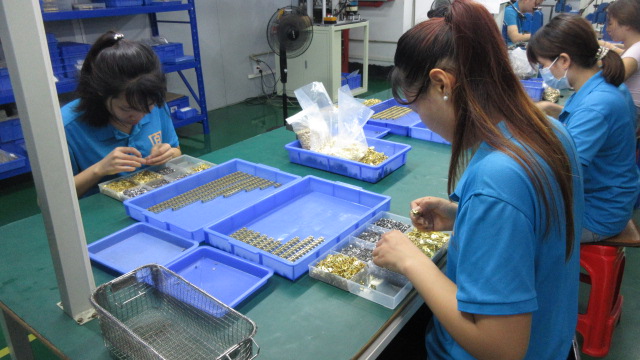
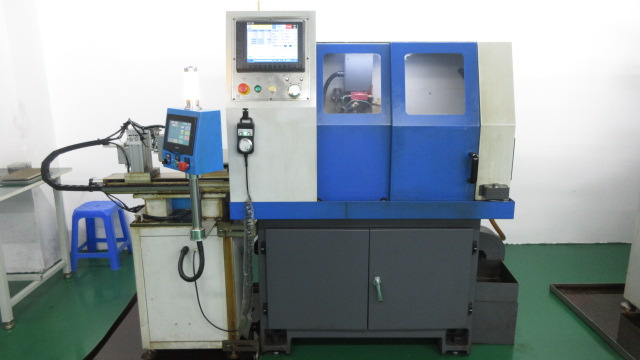
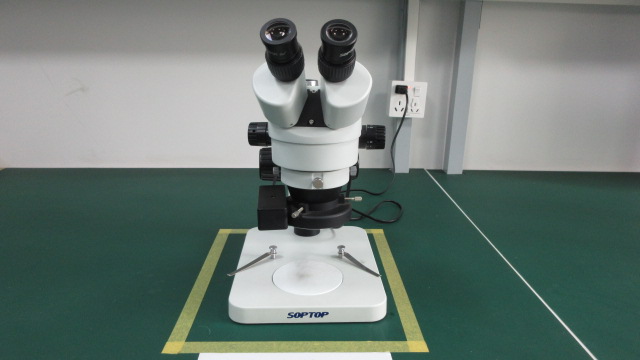
Inside the Manufacturing & Quality Labs of Zelt Motor
Direct photographic proof of our precision production, assembly automation, and advanced metrological testing facilities.
3. Localized IoT Application Scenarios & Engineering Case Studies
Modern micro-motors find utility across multiple industries. Choosing the right design configurations ensures smooth performance. Below are major application fields where customized drive properties are key:
Smart Home & Automated Access Control
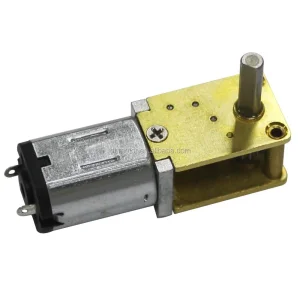
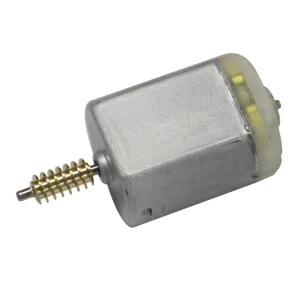
In residential IoT, smart electronic locks require small actuators with high peak torque. When a user sends an unlock command via Bluetooth, the drive must retract the locking mechanism in under 300 milliseconds. Standard motors struggle with spatial limitations. Using the N20 DC Micro Gear Motor with a 1:150 ratio or customized FC 280SC actuator motors allows designers to fit high-holding force mechanisms into narrow profiles without draining battery reserves.
Medical IoT & Precision Diagnostics
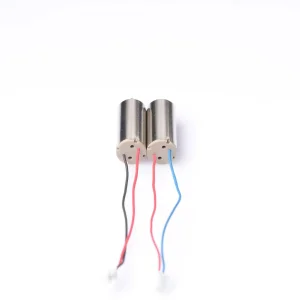
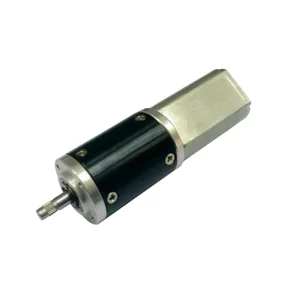
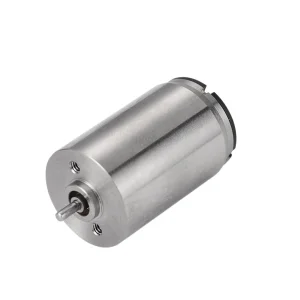
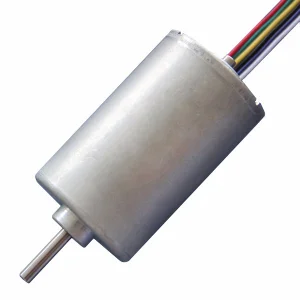
Advanced diagnostic medical equipment and wearable infusion pumps need highly reliable drives. The coreless brushless DC motor (e.g., 12mm to 22mm variants) features low rotor inertia and zero cogging torque. This enables uniform flow control in syringe drivers and portable diagnostic units, where steady performance is critical for patient health.
Industrial IIoT & Automated Logistics
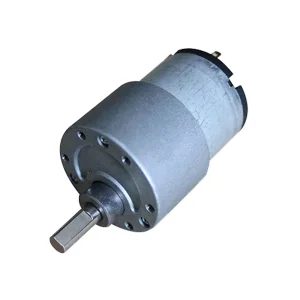
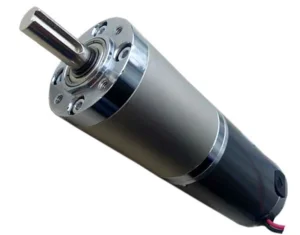
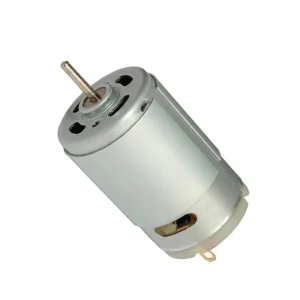
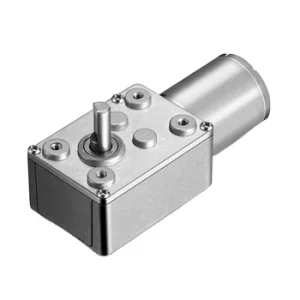
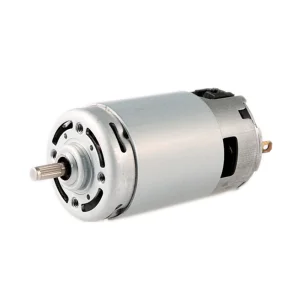
Warehouse automation relies on small AGVs (Automated Guided Vehicles) and smart robotic sorting gates. These devices need high load-bearing capacity and consistent duty cycles. Heavy-duty 37mm worm gear motors and 45mm planetary gear motors with 775 structures provide the mechanical advantage required to move, slide, and redirect parcels along dynamic sorting systems.
4. Global B2B Sourcing Parameters: Beyond Price Tag
Global procurement directors and hardware developers often look beyond initial unit costs. Building a reliable supply chain requires prioritizing quality, speed, and customization over simple budget pricing. Some key technical and compliance parameters to consider include:
- Total Lifecycle Longevity: If a motor is deployed in a remote smart grid valve or a ceiling fan sensor, maintenance visits are costly. Sourcing brushless options with rated lifespans of 10,000 to 20,000 hours minimizes field service costs.
- Dynamic Backlash Control: Precision feedback loops in smart locks or robot servos depend on minimal mechanical play. High-grade gearboxes with hardened steel gears help maintain long-term calibration.
- Compliance Certifications: Sourced motors must carry necessary environmental and quality certifications, including RoHS, REACH, CE, and UL approval, to meet compliance standards across North American and European markets.
- Environmental Adaptability: Outdoor applications, such as automotive cameras and marine drone shafts, require robust protection against moisture and dust. Using specialized sealing and protective coatings ensures reliable performance under harsh conditions.
By partnering with direct-from-source manufacturers like Zelt Motor, global engineering teams gain direct access to design engineers. This simplifies the process of customizing shaft flats, tuning winding resistances, or integrating custom PCB connectors to match specific system requirements.
Frequently Asked Questions on IoT Micro-Motor Integration
Industrial-Grade Micro Motors & Gearboxes
Engineered for high torque, quiet operation, and prolonged lifecycles across diverse industrial and consumer platforms.