 Zelt Motor
Premium High-Torque Micro Drive Configurations
Explore our industrial-grade high-torque configurations engineered to deliver exceptional power density and mechanical efficiency.
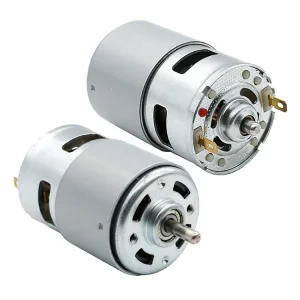
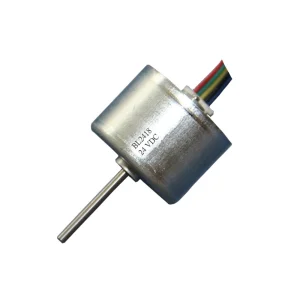
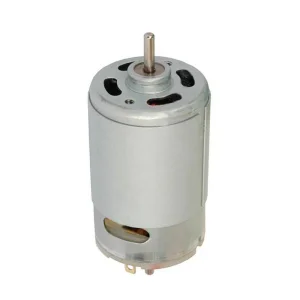
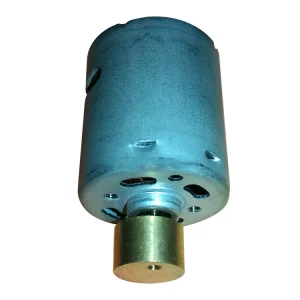
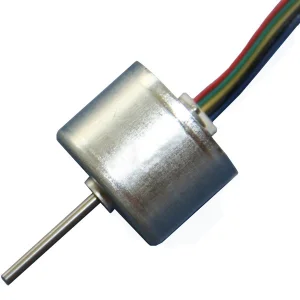
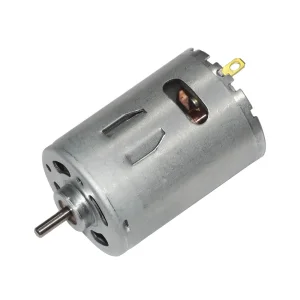
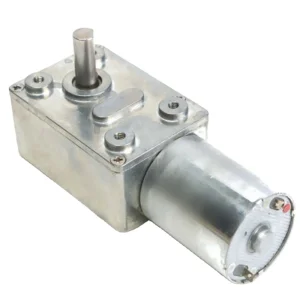
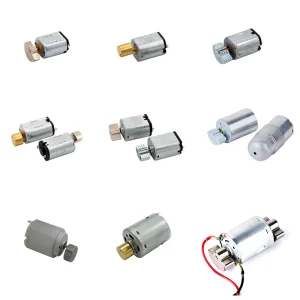
In the contemporary landscape of industrial automation, medical robotics, and smart home appliances, high torque micro motors act as the vital muscles driving critical mechanics. The demand for miniature drives capable of producing disproportionately high torque densities has surged exponentially. Industrial system designers face a perpetual challenge: shrinking form factors while increasing mechanical output, all while managing strict energy efficiency standards. Global commerce has pivoted towards precision, demanding high-performance coreless, brushless (BLDC), and brushed gear motors that offer sustained duty cycles, low electromagnetic interference (EMI), and exceptional longevity.
From surgical instruments where sub-millimeter positioning relies on high torque-to-weight ratios to automated guided vehicles (AGVs) navigating heavy payloads across fulfillment centers, micro motors are no longer simple components. They are highly integrated electro-mechanical sub-systems. This technological push is driving massive growth in the Asia-Pacific region, primarily in China, which has established itself as the global epicenter for micro motor fabrication, custom development, and quality-driven bulk exportation.
The micro motor industry is undergoing a structural evolution defined by three key technological routes:
- Transition from Brushed to Brushless Designs: While brushed DC motors remain highly cost-effective and simple to control, brushless DC (BLDC) motors are gaining substantial market share. The elimination of physical brushes minimizes frictional wear, increases service life, and eliminates arcing—making BLDCs critical for volatile environments and clinical applications.
- High-Efficiency Gearbox Integration: Micro planetary gearboxes combined with high-speed micro motors represent the primary method of multiplying output torque. Utilizing hardened steel and brass gear teeth with optimized hobbing configurations, designers achieve reduction ratios exceeding 1000:1 within diameters under 16mm.
- Coreless Rotor Technology: Removing the iron core from the rotor eliminates cogging torque entirely. This ensures smooth rotation even at ultra-low speeds, crucial for high-end optical equipment, valve actuators, and wearable diagnostic devices.
- 20+ Years of Industry Heritage: Deep manufacturing expertise providing mature, stable, and repeatable production quality that guarantees uniformity across million-unit purchase orders.
- 100% Tailored Customization: Rapid prototyping services that quickly modify speed, torque, voltage, shaft shapes (D-cut, round, pinion, threaded), and integrated electronics to match your exact device enclosure.
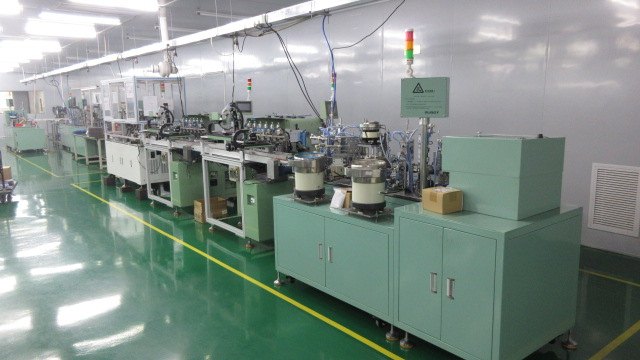
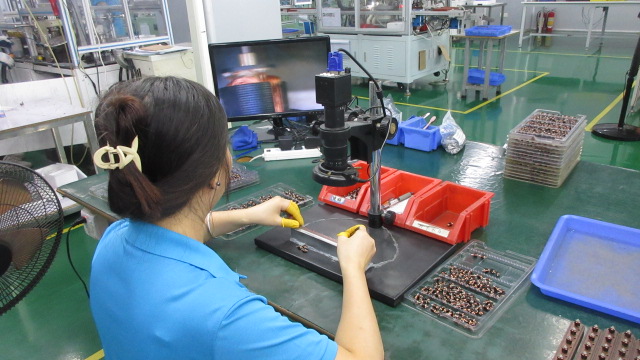
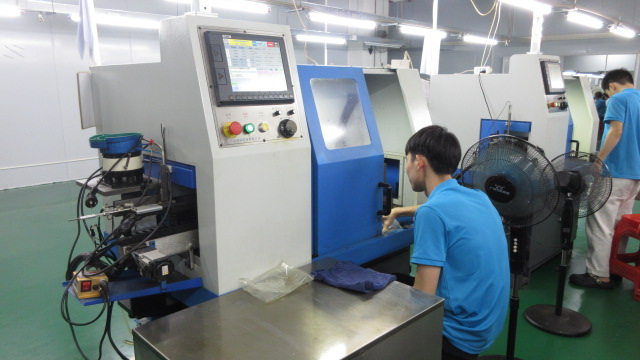
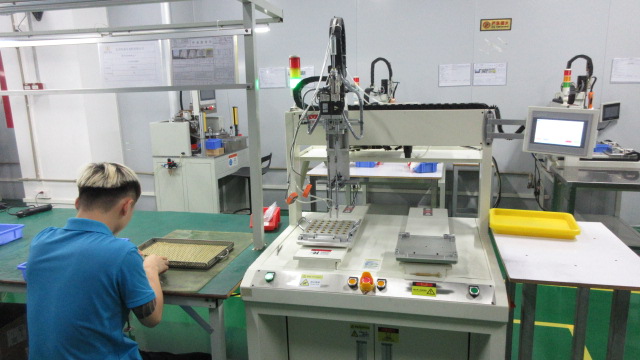
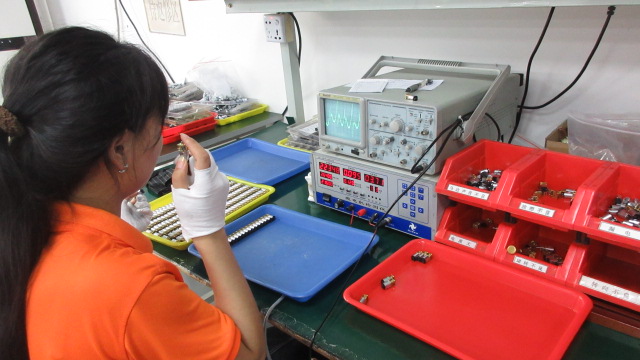
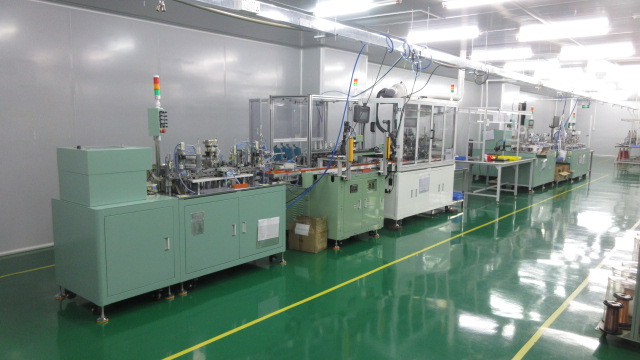
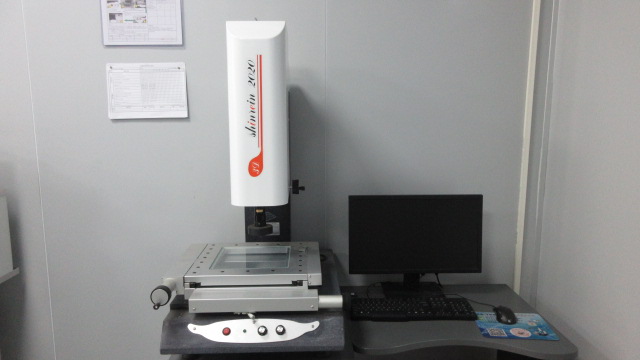
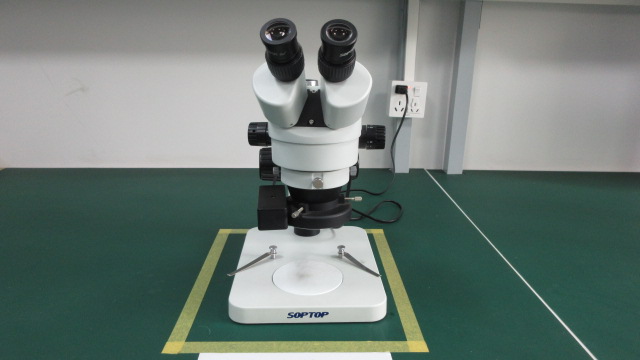
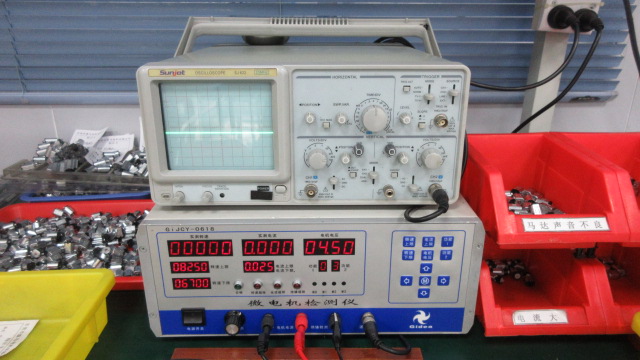
- Uncompromising Quality Control: Modern automated assembly lines paired with rigorous testing environments ensuring micrometer-level accuracy and zero-defect delivery.
- Seamless B2B Integration: Factory-direct communication, transparent lead times, and dedicated English-speaking technical support for hassle-free global collaboration.
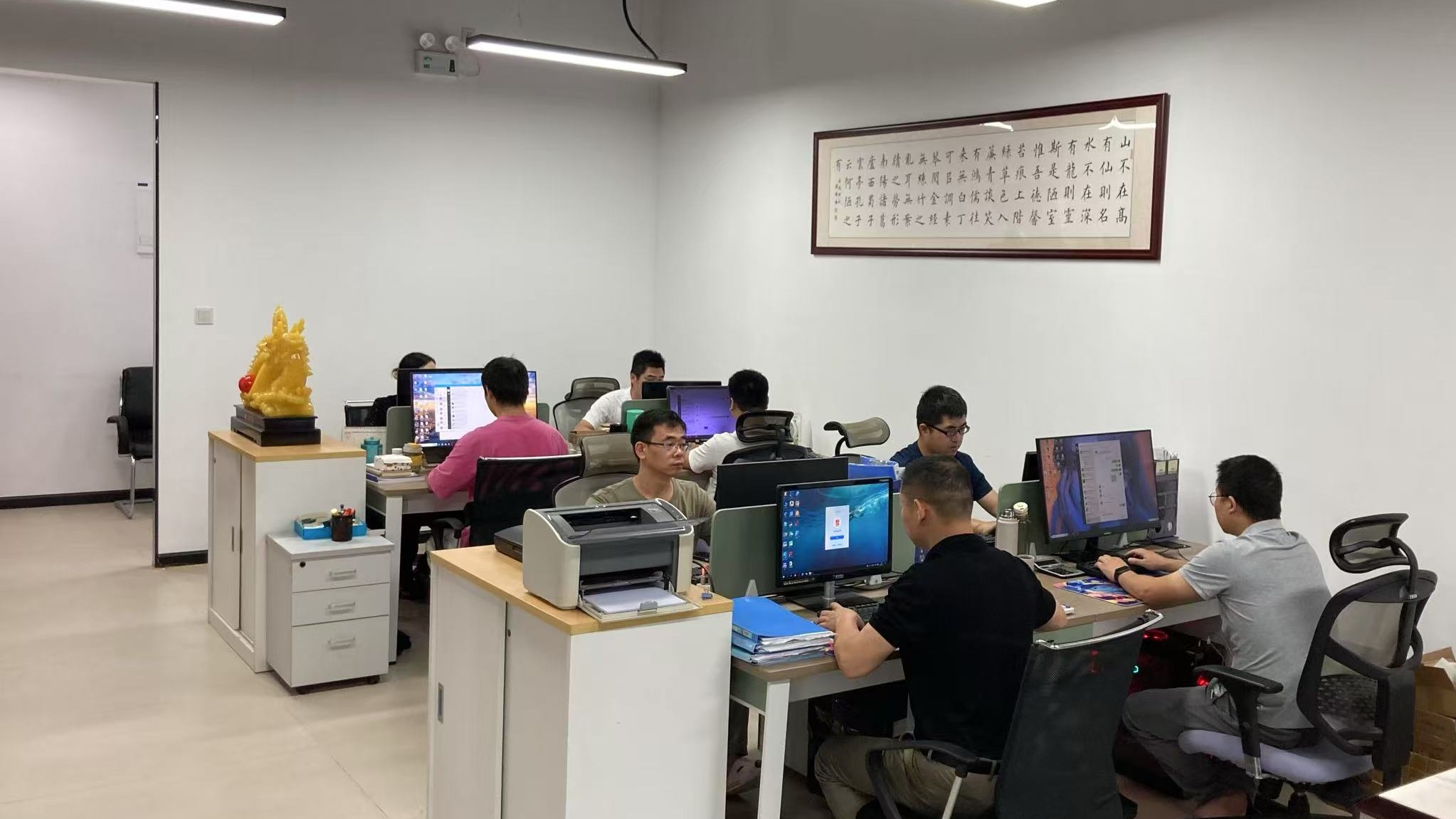
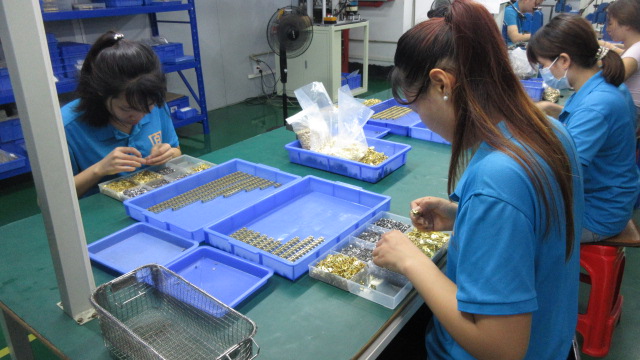
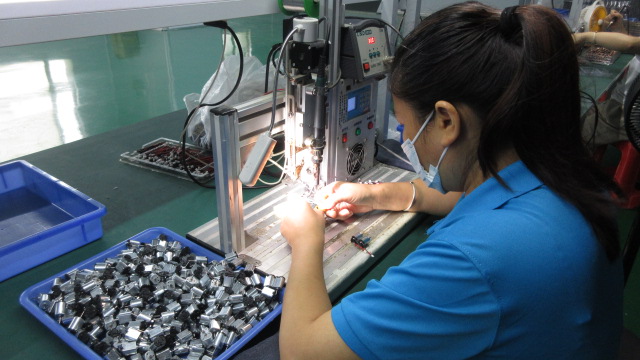
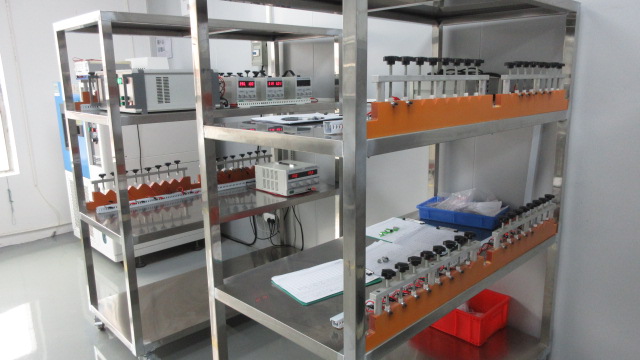
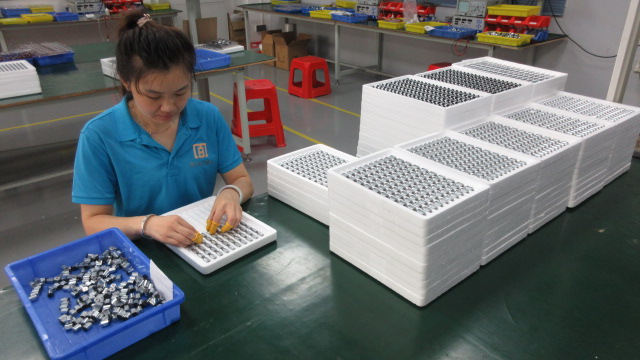
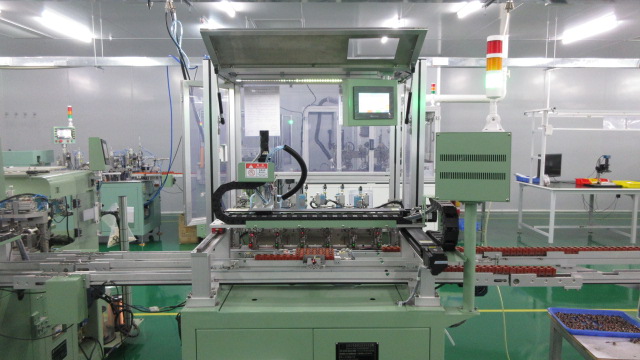
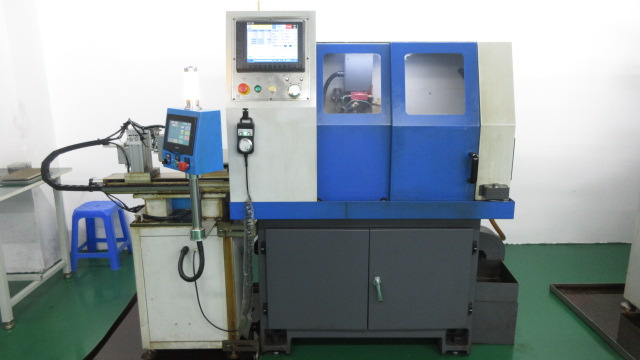
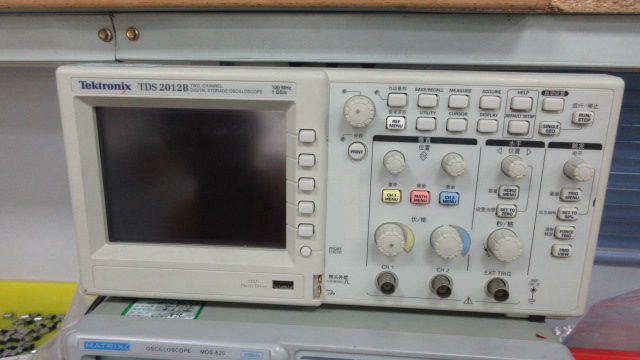
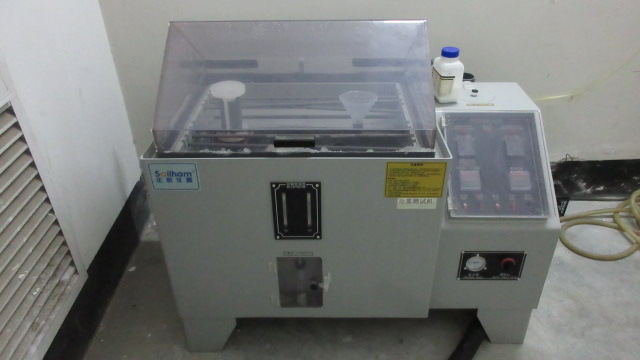
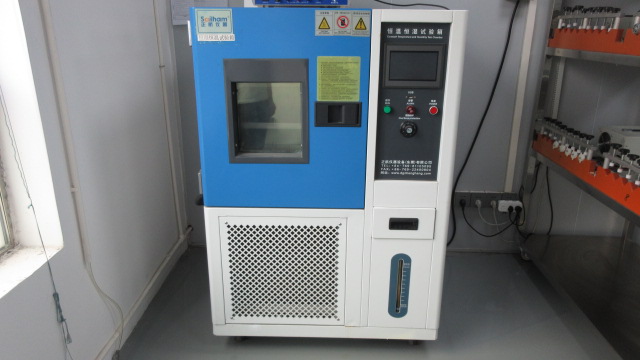
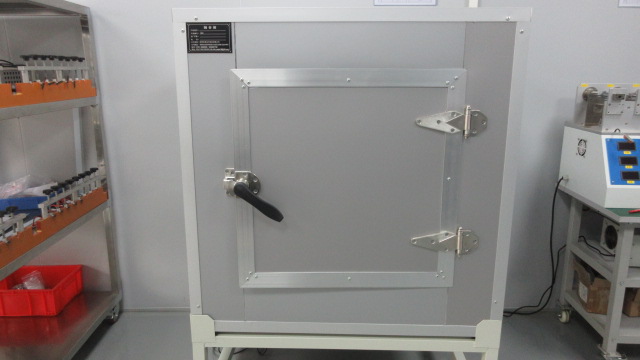
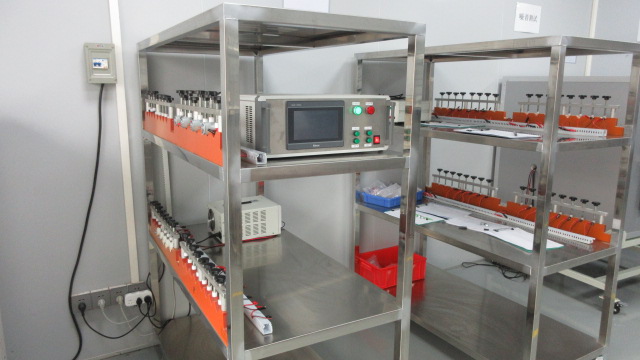
Advanced Production Line & Metrology Validation
A transparent look at Zelt Motor's manufacturing execution systems, precision machinery, and comprehensive environmental testing labs.
Micro DC motors with enhanced torque parameters find high-frequency applications across various fields:
- Smart Home Systems: Motorized window blind tensioners, robotic vacuum cleaners (RS-775 type motors for vacuum pumps), electronic smart locks (N20 geared motors with high-torque gear trains for quick deadlock engagement).
- Medical Devices & Personal Care: Low noise brushless vibration motors (such as the 3-24V micro vibration series) are incorporated in clinical neck massagers, rehabilitation equipment, and precision personal care devices where vibration patterns require digital profiling and silent operational noise floors.
- Precision Automotives & RC Modeling: High-performance RC cars and remote-controlled boats depend on high-speed Brushed Micro DC motors (RS 550 and RS 540) to drive shafts at speeds exceeding 15,000 RPM while maintaining cooling profiles through integrated rotor fans.
The roadmap for micro-drive motors is centered on material optimizations. Utilizing sintered neodymium-iron-boron (NdFeB) magnets instead of traditional ferrite magnets has allowed developers to double the air-gap magnetic flux density. This shift, combined with advanced multi-layer automatic winding techniques, allows more copper wires to be packed within the stator slots, minimizing copper losses and increasing overall energy efficiency.
In addition, thermal dissipation remains a critical engineering focus. Micro motors generating high torque values operating at continuous duty cycles generate heat rapidly. Incorporating temperature-resistant enameled wire (Class F or Class H, rated up to 180°C) and special thermally conductive composite casings allows motors to operate safely without the risk of demagnetization.
Technical Q&A: Micro High Torque Motor Selection
Crucial mechanical and electrical engineering queries resolved by Zelt Motor's Senior Application Engineering Team.