 Zelt Motor
High-Performance Miniature Motors
Engineered for precise control, thermal dissipation, and long-term durability in electronics and appliances
1. The Global Commercial Landscape of Computer Cooling Motors
As microprocessors push the boundaries of computational power, active thermal management has evolved from an afterthought to a core system parameter. High-performance data centers, edge computing hardware, enterprise artificial intelligence clusters, and modern graphics workstations require continuous heat extraction to prevent thermal throttling and hardware degradation. In these high-performance environments, the reliability, power efficiency, and acoustic signature of the cooling motor are critical factors.
Historically, standard 12V brushless DC (BLDC) motors were sufficient for general chassis airflow. However, the rise of modern workloads has altered the landscape. Industry-leading OEMs and ODMs now focus on high-static-pressure fans, variable-speed intelligent PWM motors, and liquid-cooling pumps. These components rely on specialized permanent magnet designs, advanced electronic commutation, and durable bearing systems.
From a global procurement perspective, selecting a supplier is no longer just about cost per unit. It requires evaluating the manufacturer's engineering capabilities, production automation levels, material traceability, and adherence to environmental standards (such as RoHS and REACH). Top-tier computer cooling motor factories must support customized motor windings, flexible shaft configurations, and tailored magnetic arrays to meet specific system designs.
2. Zelt Motor: Bridging Global Engineering with Advanced Manufacturing
Looking for a reliable, direct-from-source manufacturer to secure your miniature motor supply chain? Zelt Motor is built to bridge the gap between Chinese manufacturing efficiency and global engineering standards. We eliminate middlemen to deliver high-torque, industrial-grade micro drives straight from our manufacturing floors to your global warehouse.
Why Leading Global OEMs Partner with Zelt Motor Micromotor:
- 20+ Years of Industry Heritage: Deep manufacturing expertise providing mature, stable, and repeatable production quality.
- 100% Tailored Customization: Rapid prototyping services that quickly modify speed, torque, voltage, shaft shapes, and integrated electronics to match your exact device enclosure.
- Uncompromising Quality Control: Modern automated assembly lines paired with rigorous testing environments ensuring micrometer-level accuracy and zero-defect delivery.
- Seamless B2B Integration: Factory-direct communication, transparent lead times, and dedicated English-speaking technical support for hassle-free global collaboration.
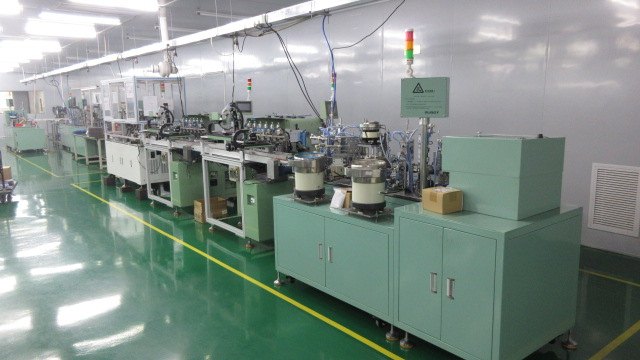
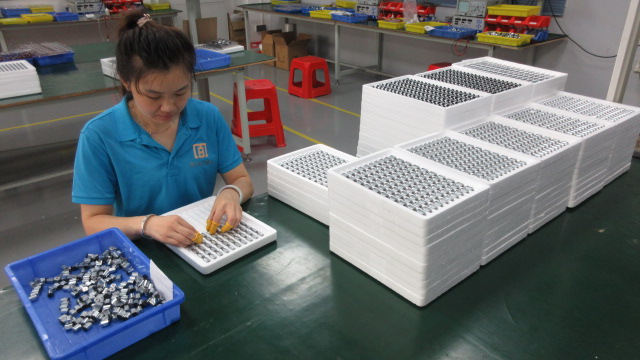
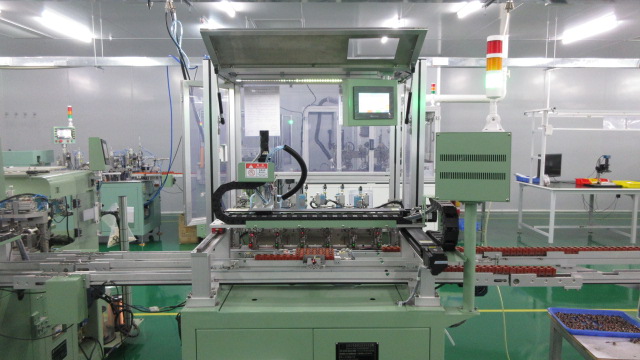
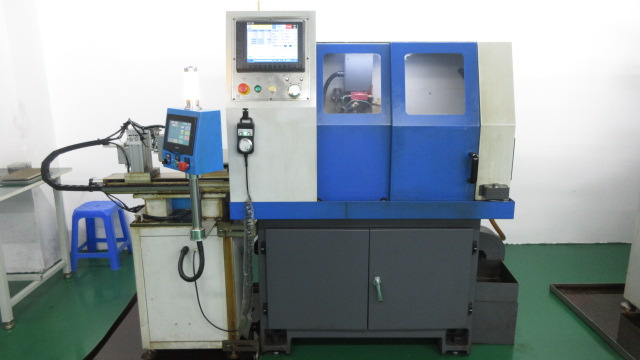
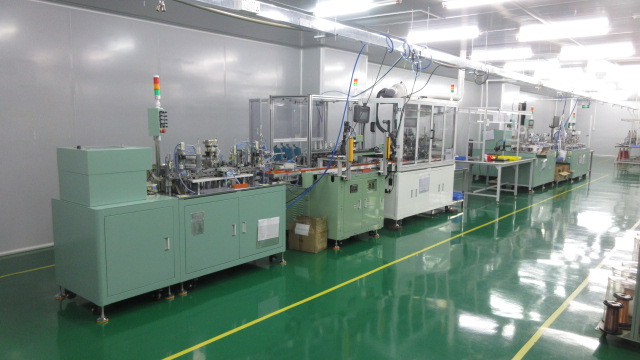
Figure 1: Fully integrated Zelt Motor manufacturing facility executing automated precision processes.
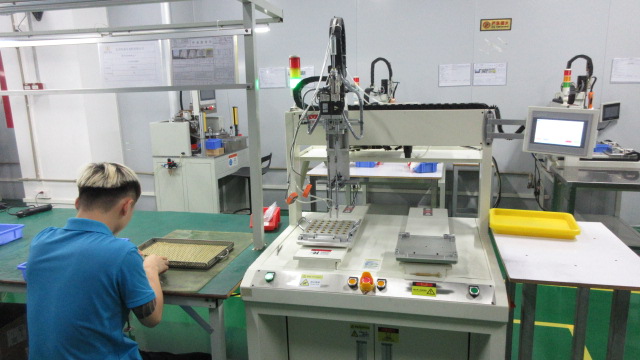
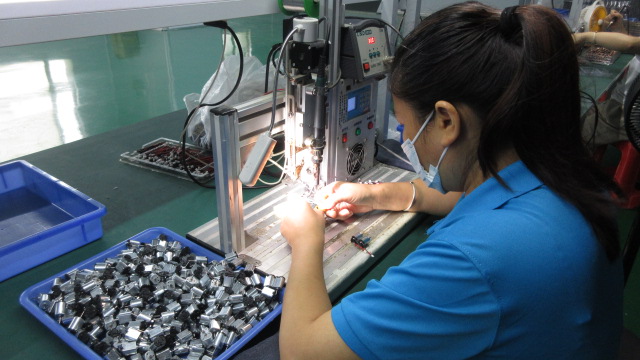
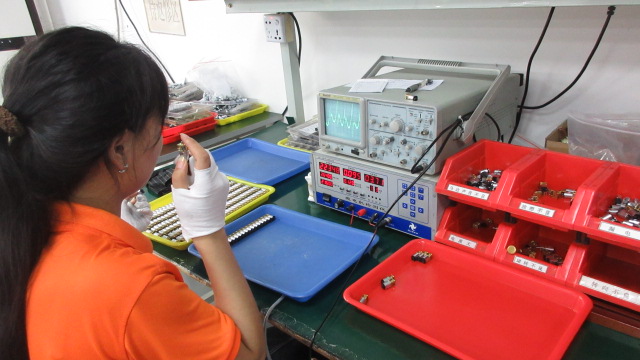
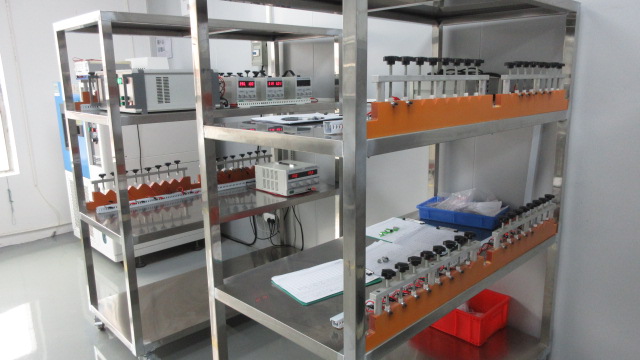
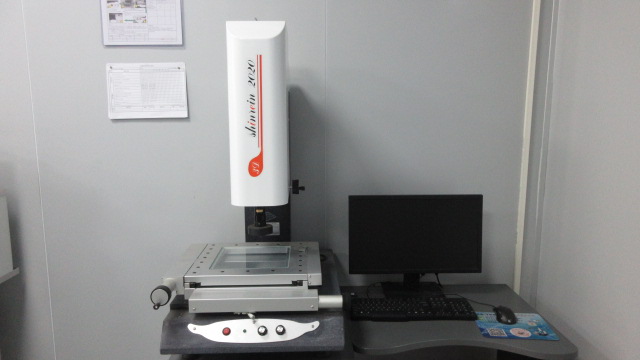
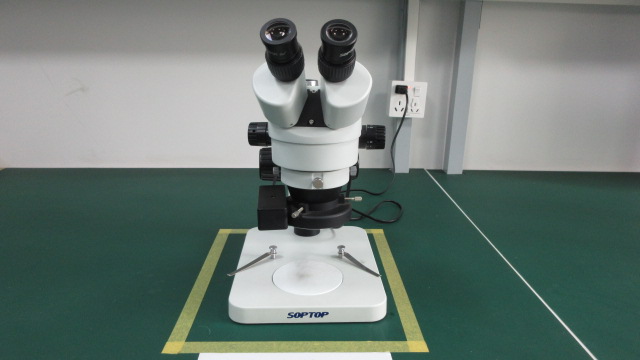
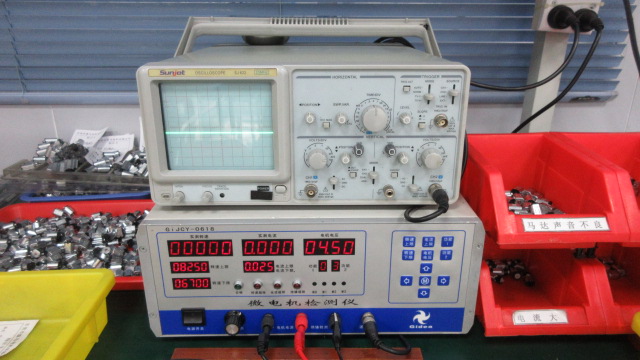
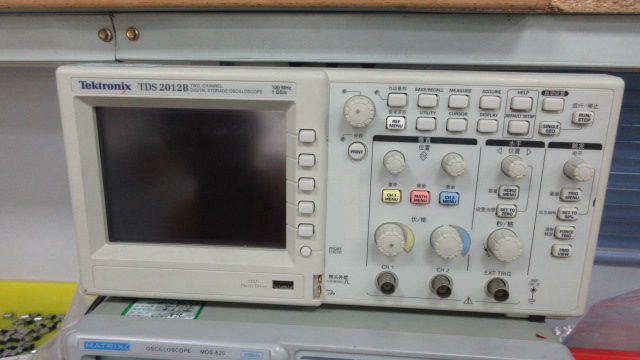
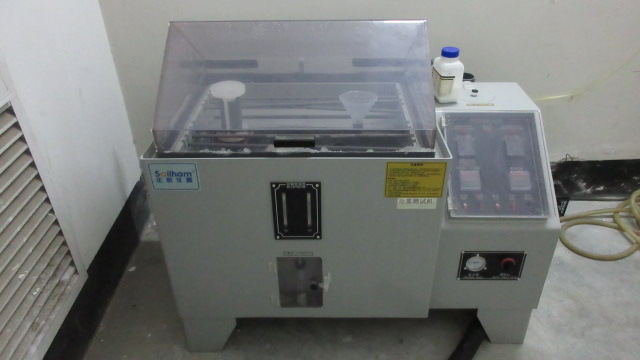
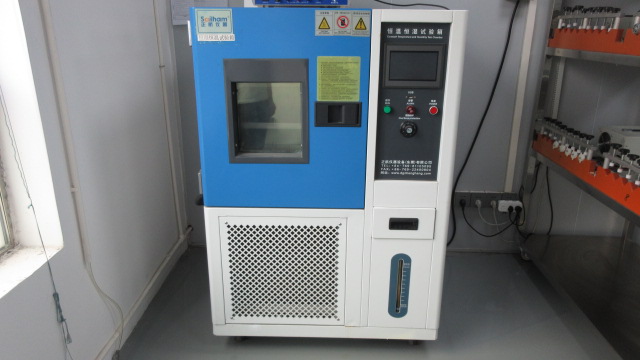
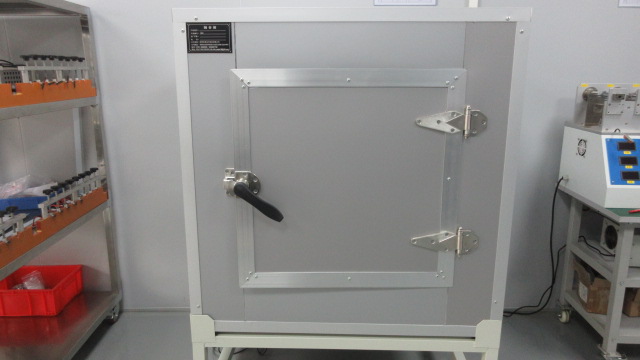
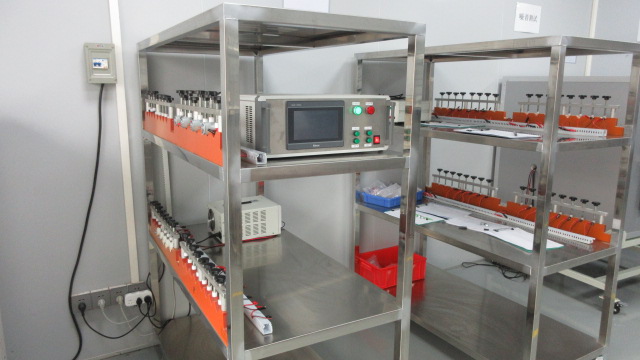
Advanced Production Processes & Quality Control Equipment
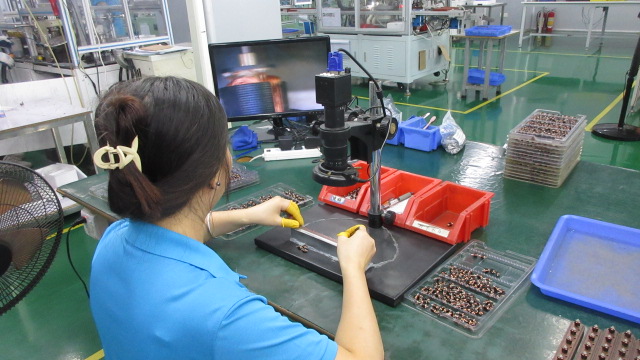
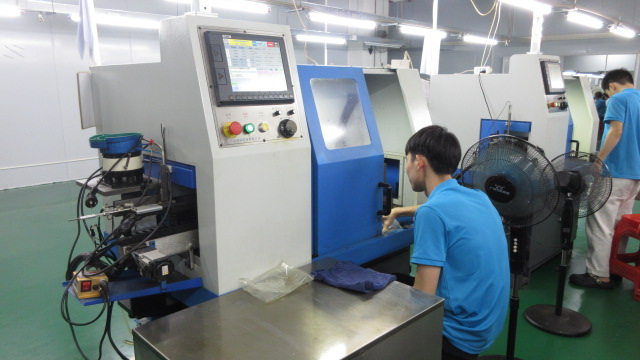
The manufacturing of micro-motors requires tight dimensional tolerances, consistent magnetic alignment, and high-precision assembly. Zelt Motor utilizes automated production lines and testing facilities to maintain quality across high-volume production runs. Below is an overview of our equipment and processes:

3. Technical Roadmap: BLDC vs. Brushed DC in Cooling System Architecture
Choosing the correct motor topology involves trade-offs between cost, operational lifespan, speed control precision, and electromagnetic compatibility. For modern hardware cooling, engineers face key structural choices, particularly between Brushed DC and Brushless DC (BLDC) motors.
The Architectural Differences
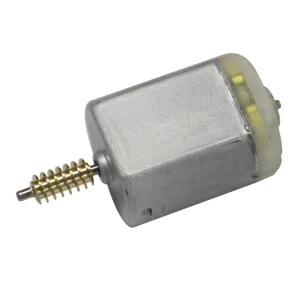
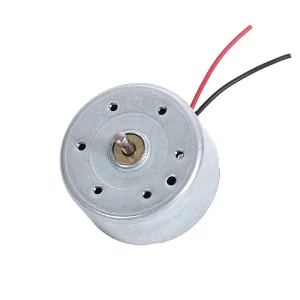
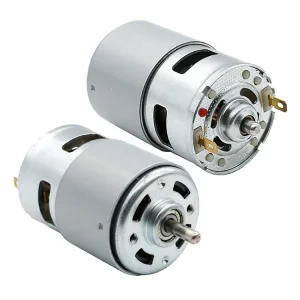
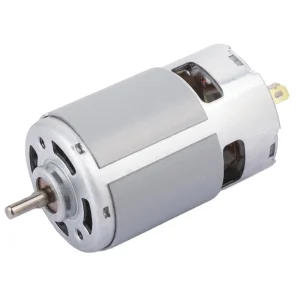
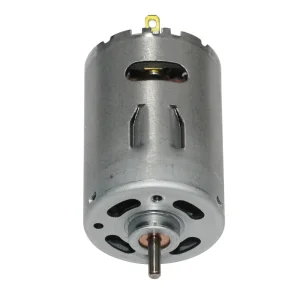
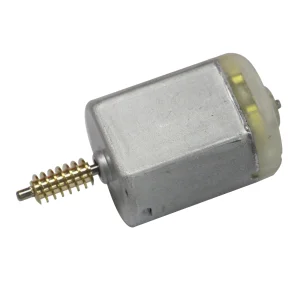
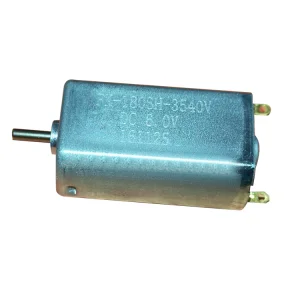
Brushed DC Motors: Utilizes mechanical carbon brushes for commutation. While cost-effective for basic applications, the physical friction limits the motor's lifespan (typically 1,000 to 3,000 hours) and produces electromagnetic interference (EMI) and acoustic brush noise. Products like the DFC-280 or FC-280SA are used in consumer applications with lower duty cycles.
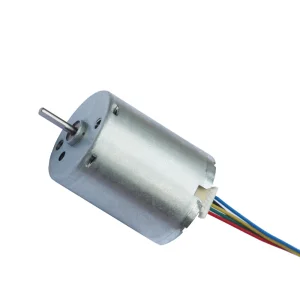
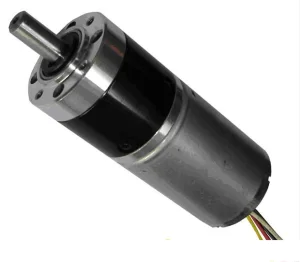
Brushless DC (BLDC) Motors: Replaces mechanical brushes with electronic commutation using Hall-effect sensors or sensorless field-oriented control (FOC). Eliminating physical wear allows BLDC motors to achieve operational lifetimes exceeding 50,000 hours, limited only by the bearing system. The absence of brush sparking reduces EMI, enabling compliance with strict EMC standards.
| Performance Metric | Brushed DC Motors (e.g., RS-775 / FC-280) | Brushless DC Motors (e.g., 24mm BLDC) | Planetary Gear Motors (e.g., DPG22) |
|---|---|---|---|
| Typical Lifespan (Hours) | 1,500 – 3,000 | 20,000 – 70,000+ | 5,000 – 15,000 |
| Electromagnetic Interference | Moderate to High (arcing at brushes) | Negligible (solid-state switching) | Low to Moderate |
| Speed Regulation | Voltage-dependent (less precise) | Highly Precise (PWM/FOC feedback) | Variable via Input voltage |
| Mechanical Efficiency | 60% – 75% | 85% – 95% | 70% – 85% (gear dependent) |
| Primary Application Area | Vacuum Cleaners, Handheld Tools, Hair Clippers | Server Cooling, Workstations, Smart Home Systems | Precision Actuators, Valves, Robotics |
Bearing Selection: Sleeve vs. Dual-Ball vs. Fluid Dynamic Bearings (FDB)
The bearing system is a common failure point for cooling motors. B2B purchasers must match the bearing configuration to the environmental demands of the target application:
- Sleeve Bearings: Cost-effective option suitable for horizontal mounting. The lubricant can degrade at higher operating temperatures (above 50°C), reducing overall lifespan.
- Dual-Ball Bearings: Can be mounted in any orientation and handle higher radial loads. They support longer lifespans in high-temperature environments, though with slightly higher acoustic noise.
- Fluid Dynamic Bearings (FDB): High-end choice for server environments. The shaft rotates in a pressurized fluid layer, minimizing friction. FDB offers long life and low acoustic noise.
4. B2B Sourcing: Evaluating Cooling Motor Suppliers
Key criteria for engineering procurement teams assessing factory capabilities and supply chain risks
Automated Winding Consistency
Hand-wound stators can introduce variances in internal resistance, causing uneven current draw and thermal hotspots. Top suppliers utilize fully automatic multi-pole winding machines to maintain identical winding tension and resistance profiles across production batches.
Rigorous Life Cycle Testing
Thermal validation requires chambers capable of simulating temperature fluctuations from -40°C to +85°C. Reliable suppliers provide certified MTBF logs, salt-spray resistance metrics, and acoustic signatures recorded in calibrated anechoic rooms.
Environmental & Safety Compliance
Global distribution requires compliance with regional safety frameworks. Ensure the manufacturing facility provides full material composition disclosures to satisfy RoHS, REACH, CE, and UL certification requirements.
5. Macro-Industry Solutions & Global Procurement
Addressing supply chain risks, customization requirements, and system integration challenges
Tailoring Electrical & Mechanical Interfaces
Standard motors often do not match the packaging constraints of high-density server blades or modern medical equipment. Engineering procurement teams should seek partners that support modifications, such as:
- Custom double-ended shaft extensions and D-cut options.
- Modified winding configurations to support input voltages from 3.0V to 48V.
- Integrated connectors (e.g., JST, Molex) and heat-shrink sleeving.
- PWM speed control curves calibrated to system-level temperature profiles.
Mitigating Supply Chain Disruptions
Geopolitical challenges and shipping bottlenecks present challenges for raw materials like Rare Earth magnets (Neodymium-Iron-Boron). Direct-from-source manufacturers like Zelt Motor manage these risks through:
- Direct procurement networks for raw copper, steel, and magnets.
- Standardized buffer stock policies for critical components.
- Multi-line assembly redundancy to prevent bottlenecking.
- Automated QC testing to maintain yields during peak demand.
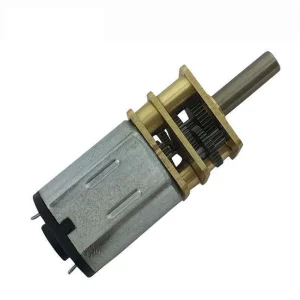
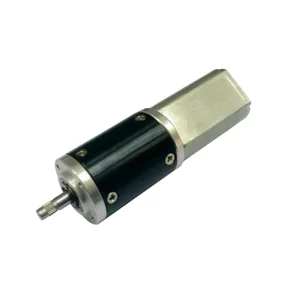
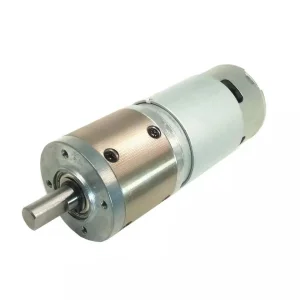
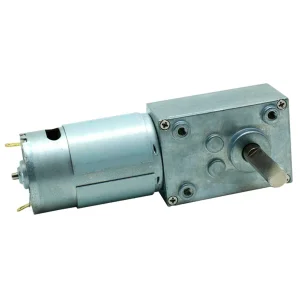
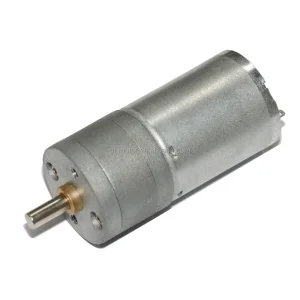
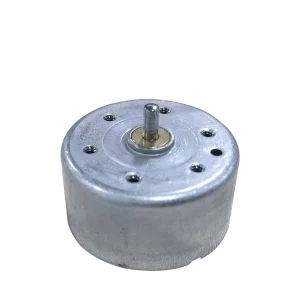
Precision Micro Motors & Gearbox Modules
Explore our technical range, featuring planetary gear systems and micro brushless platforms
6. Frequently Asked Questions (FAQ)
Technical answers to help buyers evaluate computer cooling motors