Zelt Motor
Industrial Grade Precision Motors
High-torque, durable components engineered to meet rigid specifications for automation, smart appliances, and precision control.
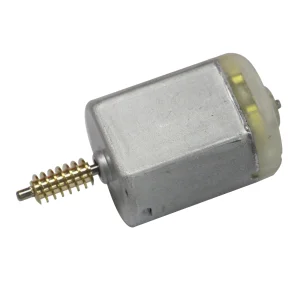
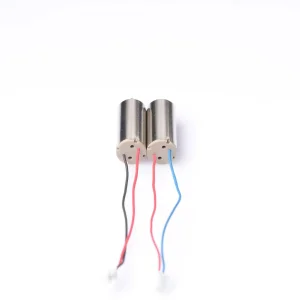
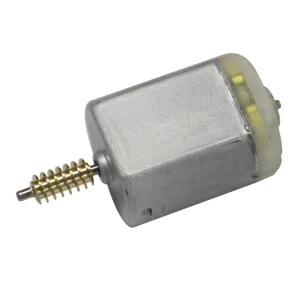
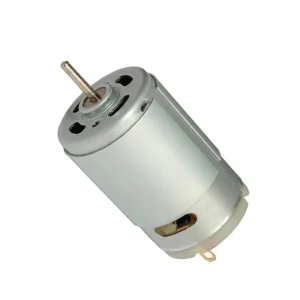
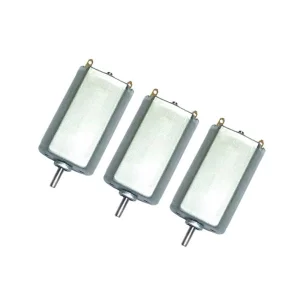
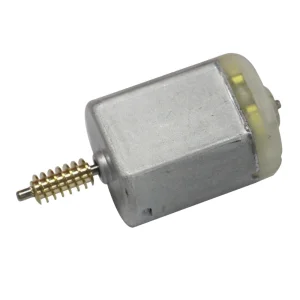
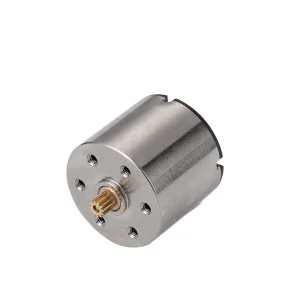
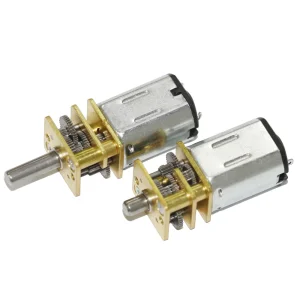
Securing Your Miniature Motor Supply Chain
Looking for a reliable, direct-from-source manufacturer to secure your miniature motor supply chain? Zelt Motor is built to bridge the gap between Chinese manufacturing efficiency and global engineering standards. We eliminate middlemen to deliver high-torque, industrial-grade micro drives straight from our manufacturing floors to your global warehouse.
Why Leading Global OEMs Partner with Zelt Motor Micromotor:
-
✔
20+ Years of Industry Heritage: Deep manufacturing expertise providing mature, stable, and repeatable production quality that guarantees operational longevity.
-
✔
100% Tailored Customization: Rapid prototyping services that quickly modify speed, torque, voltage, shaft shapes, and integrated electronics to match your exact device enclosure.
-
✔
Uncompromising Quality Control: Modern automated assembly lines paired with rigorous testing environments ensuring micrometer-level accuracy and zero-defect delivery across large production batches.
-
✔
Seamless B2B Integration: Factory-direct communication, transparent lead times, and dedicated English-speaking technical support for hassle-free global collaboration.
Industry Whitepaper: High-Precision Stepper Actuator Technology
Exploring the mechanical dynamics, engineering trade-offs, and critical parameters that govern micro-linear positioning system performance.
A stepper actuator (specifically a linear stepper actuator) integrates a hybrid stepper motor with a threaded lead screw or ball screw shaft, transforming rotary movement directly into linear motion. Unlike conventional DC motors or standard rotary stepper motors coupled with belt drives or rack-and-pinion assemblies, linear stepper actuators reduce systemic backlash, footprint size, and structural tolerances.
By eliminating intermediate coupling mechanisms, these actuators minimize mechanical play and inertia, presenting engineers with exceptional resolution and torque capacity in space-constrained layouts. The accuracy of a stepper actuator depends on two main parameters: the motor's step angle (typically 1.8° for 200 full steps per revolution, or 0.9° for 400 steps) and the lead (pitch) of the screw.
| Actuator Component | Primary Materials Used | Impact on Performance |
|---|---|---|
| Rotor / Screw Interface | Bronze, POM, Engineered Thermoplastics | Determines backlash coefficient and wear resistance. |
| Lead Screws | SUS303, SUS304, SUS430 Stainless Steel | Influences tensile load capability and corrosion resistance. |
| Permanent Magnets | Neodymium-Iron-Boron (NdFeB), SmCo | Governs torque density and thermal stability. |
| Winding Coils | 99.9% Oxygen-Free Red Copper | Maximizes electrical conductivity and limits thermal rise. |
Captive vs. Non-Captive vs. External Linear Designs
Captive Actuators: Features a built-in anti-rotation mechanism. The shaft extends and retracts without rotating, ideal for applications requiring push/pull linear motion without external guide rails.
Non-Captive Actuators
The lead screw passes through the motor and has no anti-rotation constraints. External guiding is required to prevent the shaft from spinning, allowing flexibility in customization and long stroke paths.
External Nut Actuators
The lead screw is physically attached to the rotor and spins, driving an external nut back and forth. Perfect for systems where space constraints require the carriage to travel alongside the motor housing.
Leveraging China's Advanced Manufacturing Cluster
Why direct partnership with a vertically integrated Chinese manufacturer ensures raw-material stability, competitive lead times, and engineering superiority.
Vertical Raw Material Supply
By sourcing magnetic components, refined copper wires, and machined shafts directly from contiguous industrial zones, Zelt Motor avoids international supply delays and keeps bill-of-materials (BOM) costs highly competitive.
Advanced Automation
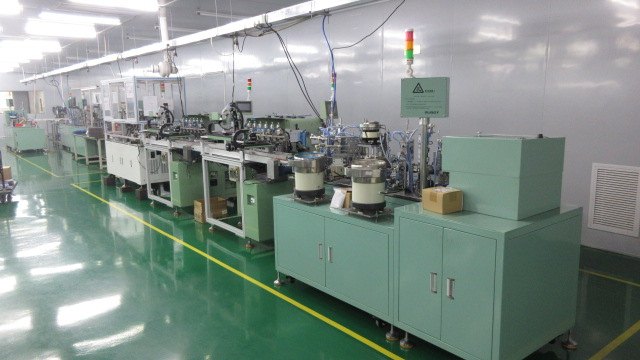
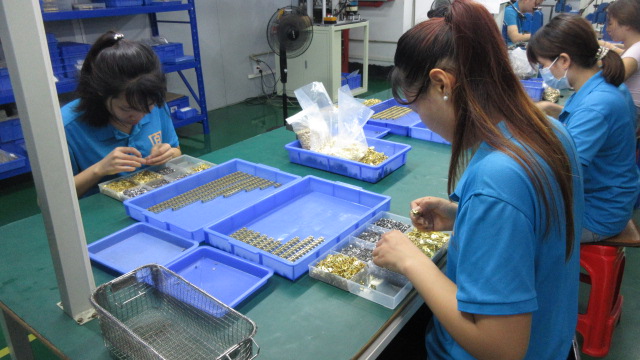
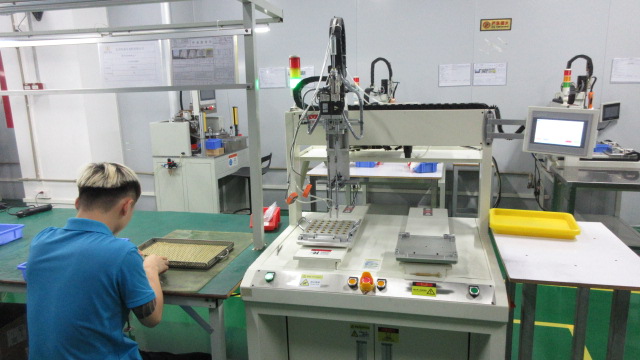
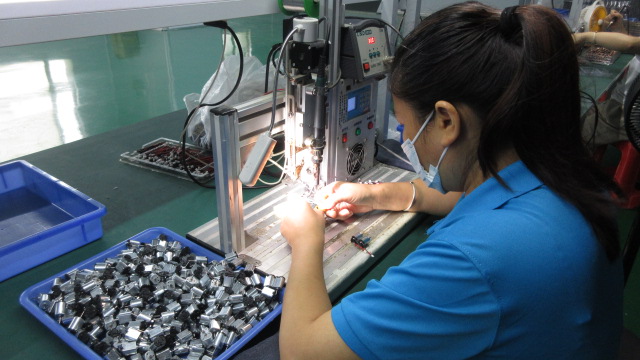
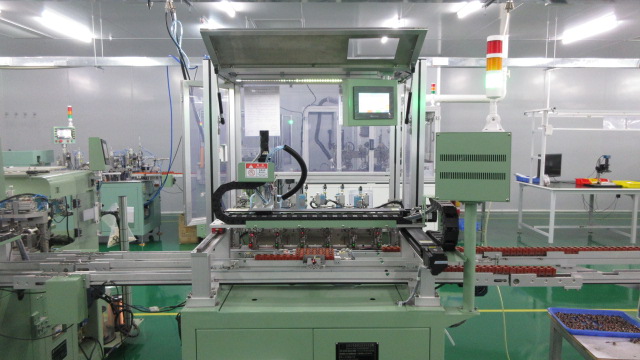
Our production utilizes fully automated winding, high-speed gear hobbing, and automated soldering lines to guarantee part-to-part consistency across production volumes reaching hundreds of thousands of units monthly.
Bespoke Customization
We modify shaft geometry, winding impedance, connector interfaces, and mounting flanges to adapt to your application's physical environment, eliminating auxiliary adapter plates or secondary assembly phases.
Rigorous Compliance
Every actuator shipped satisfies international guidelines, including CE, RoHS, and REACH. Our QA systems track batches through the assembly and testing cycle, establishing structural reliability.
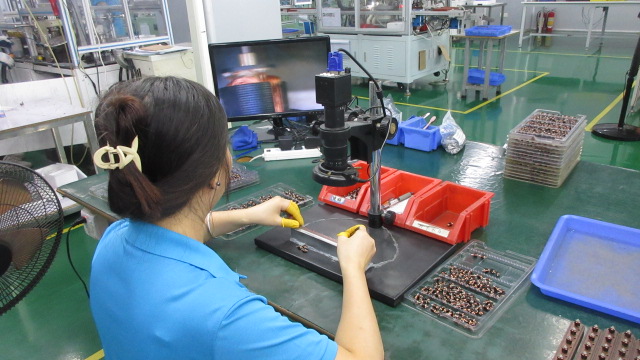
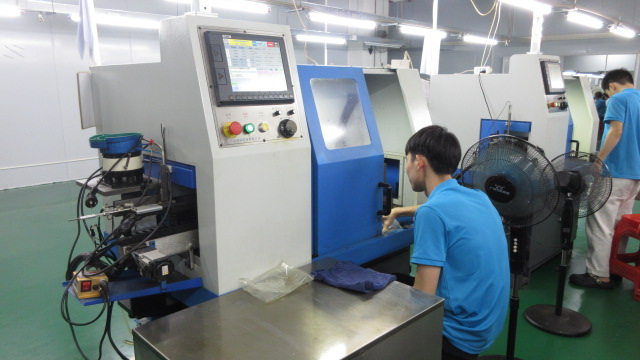
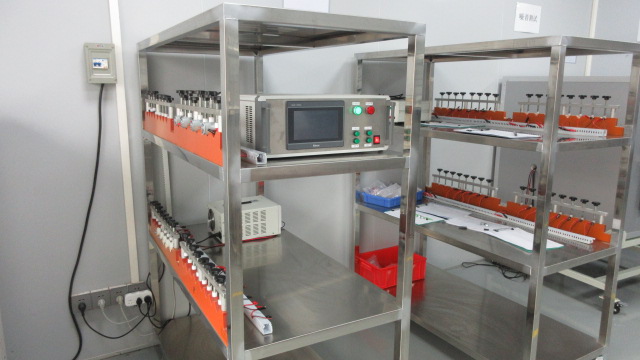
State-of-the-Art Factory Infrastructure & Quality Inspection
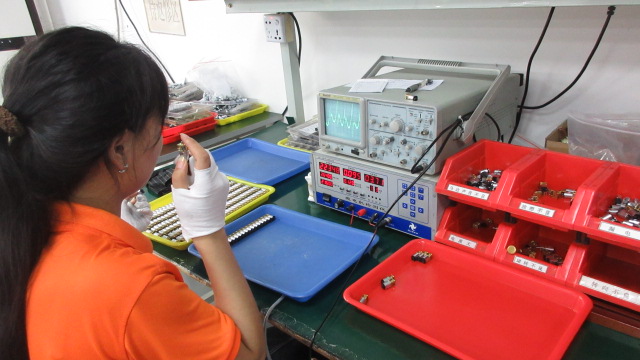
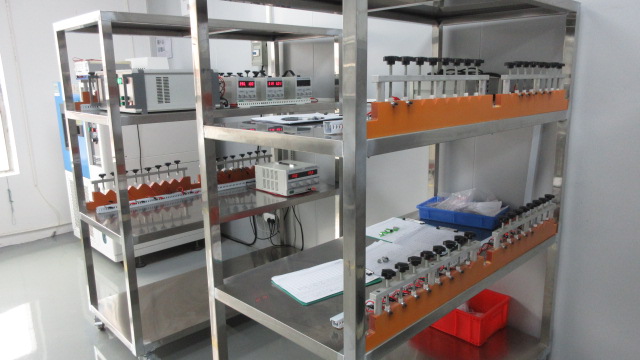
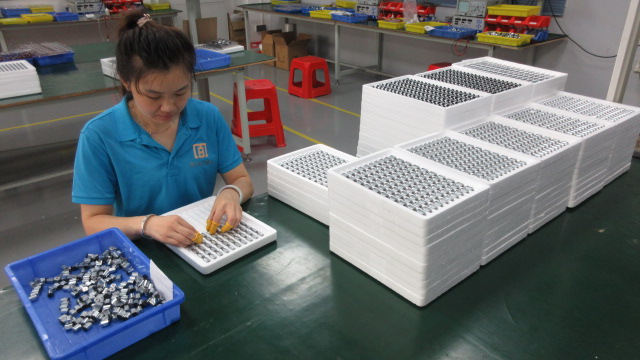
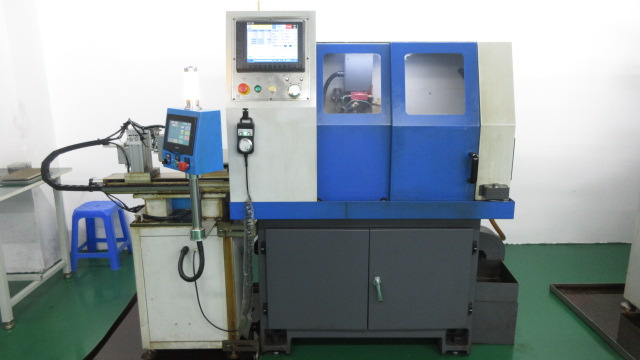
A look into our manufacturing processes, including automatic winding, precise hobbing, and metrology testing for micromotor assemblies.
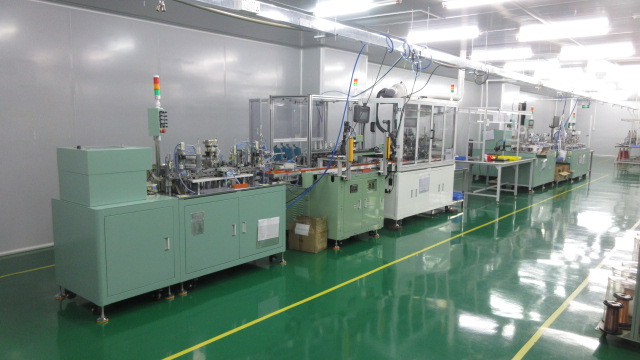
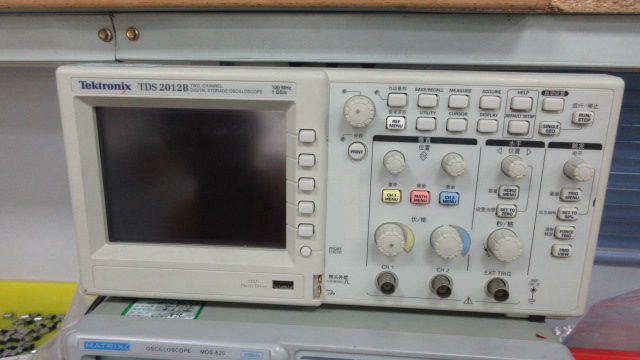
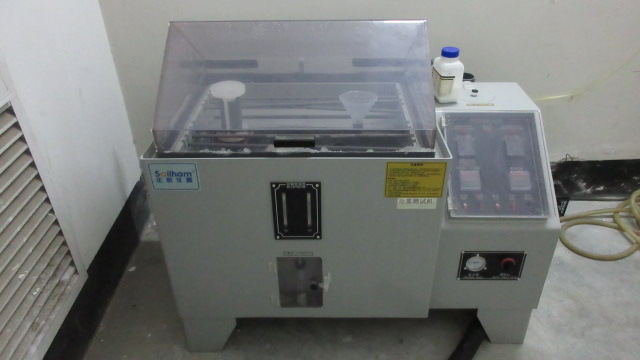
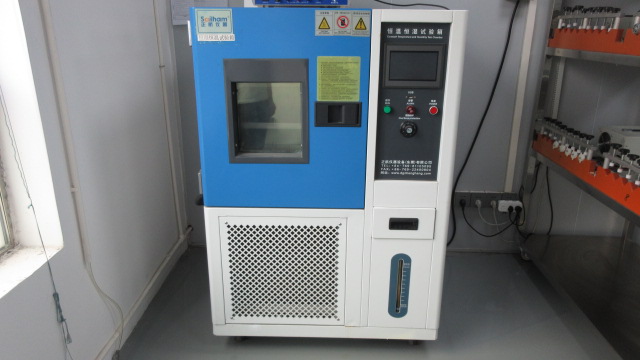
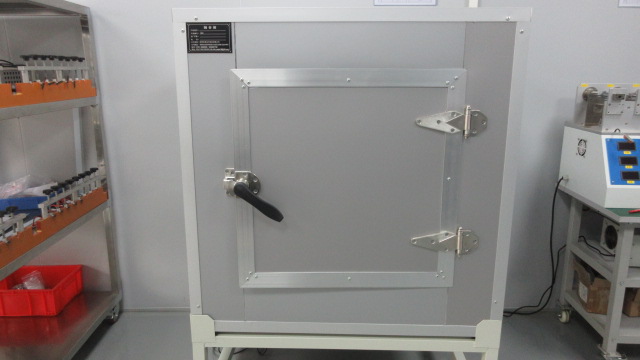
Advanced Metrology & Validation Laboratory
Equipped with diagnostic instruments, Zelt Motor guarantees mechanical compliance and precision verification for extreme operating environments.
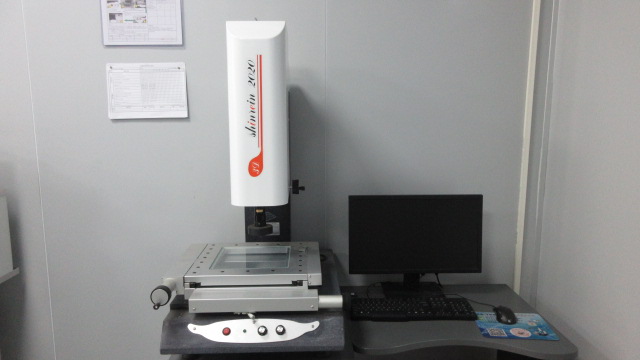
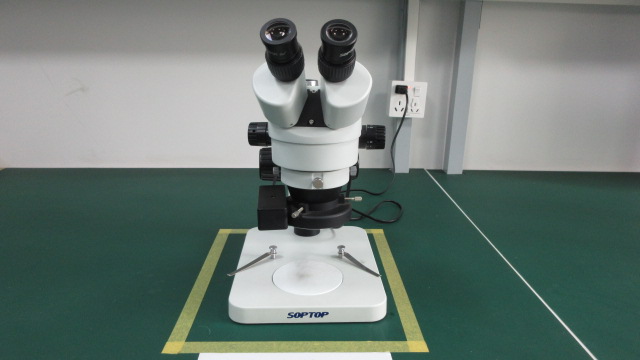
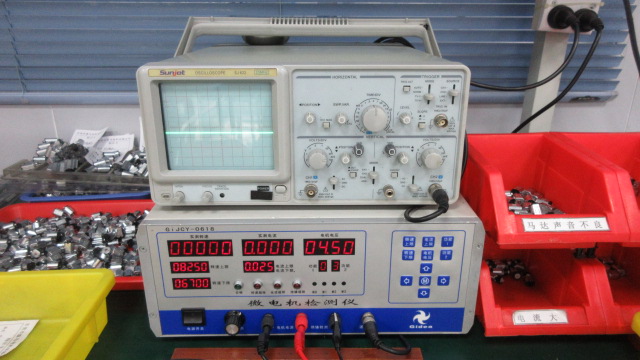
Key Procurement Guide: Sourcing Industrial Stepper Actuators
Critical selection parameters for procurement executives and design engineers when auditing precision drive manufacturers.
1. Force and Duty Cycle Optimization
Linear actuators must hold and translate loads without skipping steps. Engineers must specify peak force, continuous operational load, and expected duty cycles. Overheating issues occur when a stepper is powered continuously at maximum current; implementing standby current reductions via driver configuration helps control heat.
2. Backlash Control & Mechanical Play
For applications such as medical syringes, dispensing equipment, and laboratory automation, sub-micron repeatability is vital. Standard brass nuts have higher wear rates compared to self-lubricating POM or engineered polymer nuts. Anti-backlash spring assemblies can compensate for wear over time, extending the actuator's lifespan.
3. Lead Screw Profile & Helix Angles
The choice between trapezoidal lead screws and ball screws depends on system requirements. Lead screws provide self-locking capacity, preventing backdriving when power is off. Ball screws offer high mechanical efficiency (>90%) and lower friction, suited for continuous-duty applications.
4. Connectors and Cable Customization
Many system issues stem from weak interconnects rather than motor failures. Zelt Motor provides custom cabling solutions, including Molex, JST, or Hirose connectors, along with high-flex cables that survive continuous bending in dynamic machinery.
B2B Compliance, Quality Standards & Localized Support
Meeting requirements across North American, European, and Asian markets through engineering support and global certifications.
Environmental Certifications
Our motors strictly adhere to the RoHS Directive 2011/65/EU and REACH (EC 1907/2006) mandates, ensuring all components are free of hazardous substances for target markets.
Quality Management Frameworks
Our facilities maintain ISO9001:2015 and IATF16949 automotive standard alignment, validating our engineering from design through to volume manufacturing.
Global B2B Logistics Support
We work with major logistics partners to coordinate sea, air, and express shipments, offering door-to-door delivery and supporting custom clearance paperwork.
Frequently Asked Questions: Technical Engineering Support
Answers to technical and logistics questions commonly asked by design engineers and purchasing directors during the design-in process.
High-Efficiency Micro Motors & Drive Assemblies
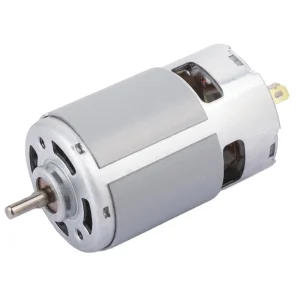
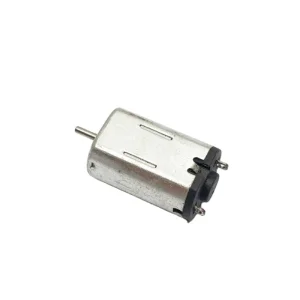
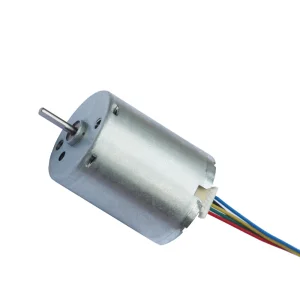
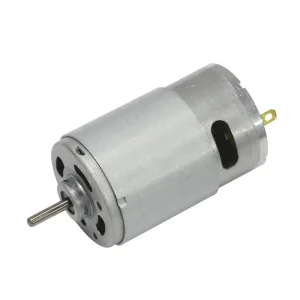
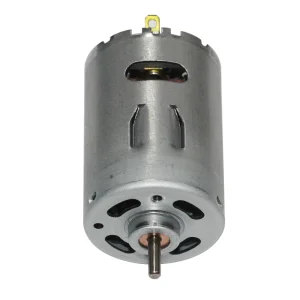
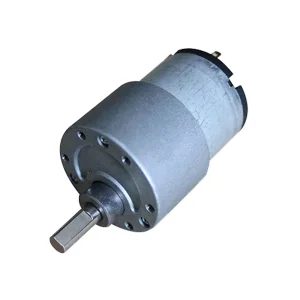
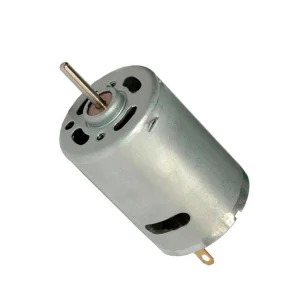
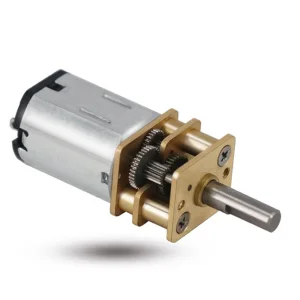
Explore our range of compact high-speed DC motors, brushless drives, and gear motor units designed for demanding industrial applications.