 Zelt Motor
German Market Quick-Select Portfolio
Highly requested micro drive specifications configured for prompt deployment in German mechanical and electronic applications.
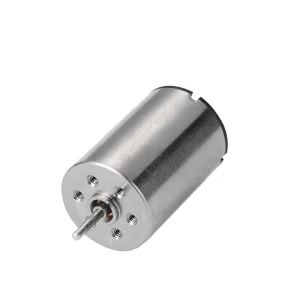
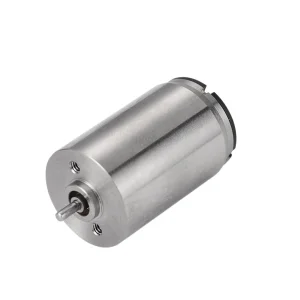
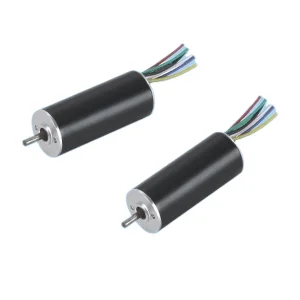
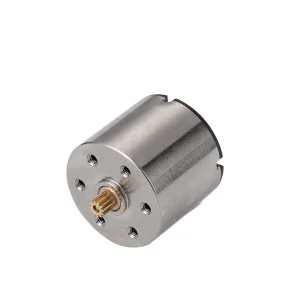
Germany's Micro-Drive Market & Industrial Evolution
Navigating the requirements of the world's most demanding engineering landscape.
The Demand for Miniature Precision in Germany
Germany stands at the pinnacle of high-tech manufacturing, propelled by the **Industrie 4.0** framework. Across industrial clusters in Baden-Württemberg, Bavaria, and North Rhine-Westphalia, the transition to intelligent, decentralized machinery demands actuators that occupy less space while operating with elevated energy efficiency. The coreless DC motor (Glockenanker-Motor) has become a key design choice for German mechanical engineers.
Unlike traditional iron-core motors, the coreless architecture utilizes a self-supporting, skew-wound copper coil winding. By removing the heavy laminated iron core from the rotor structure, engineers eliminate cogging torque (Rastmoment) completely. The result is smooth rotation even at ultra-low speeds, highly responsive acceleration curves, and minimized weight. This satisfies the strict design criteria of modern German medical engineering, optics, and laboratory systems.
Additionally, German manufacturing is adapting to supply chain challenges. Establishing strong direct links with agile global manufacturers like Zelt Motor allows local firms to combine competitive pricing with specialized engineering adaptation.
Technical Breakdown: Skew-Wound Rotor Mechanics
The coreless DC motor's unique rotor assembly consists of a self-supporting basket-shaped winding. Because the rotor contains no laminations to cause magnetic alignment (cogging), the motor exhibits direct linear relationships between applied voltage and speed, as well as load current and torque. This enables precise open-loop control schemes and simplifies closed-loop servo positioning algorithms.
For German medical technology (Medizintechnik) platforms—such as insulin pumps, laboratory pipettes, and surgical handpieces—vibration-free performance is critical. The low rotor inertia ($J$) of coreless windings allows mechanical time constants ($t_m$) down to under 5 milliseconds. This high acceleration rate is crucial for high-speed pick-and-place robots and dynamic optical focusing setups.
| Design Criteria | Standard Iron-Core DC Motors | Zelt Coreless DC Micro Motors | German Market Impact / Benefit |
|---|---|---|---|
| Cogging Torque | Present (increases vibration) | None (completely smooth rotation) | Critical for high-magnification surgical microscopes and laboratory scanners. |
| Rotor Inertia | High (iron laminations) | Extremely Low (copper coil only) | Enables rapid start-stop-reversal cycles in automated micro-pipettes. |
| Power-to-Volume Ratio | Moderate | Ultra-High | Enables smaller handpieces for dental clinics and micro-robotic end-effectors. |
| Electromagnetic Noise | High | Minimal (with integrated suppression) | Easier CE and EMC compliance testing for the finished medical assembly. |
Zelt Motor offers both **precious metal commutation** (ideal for low-current battery applications) and **graphite commutation** (suited for high-power, high-current environments). Our engineering team routinely adapts shaft lengths, integrates gearheads (planetary and spur), and mounts magnetic or optical encoders to meet customer requirements.
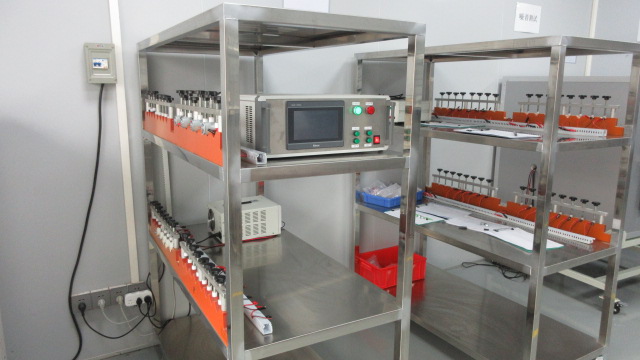
Precision Manufacturing & Quality Control
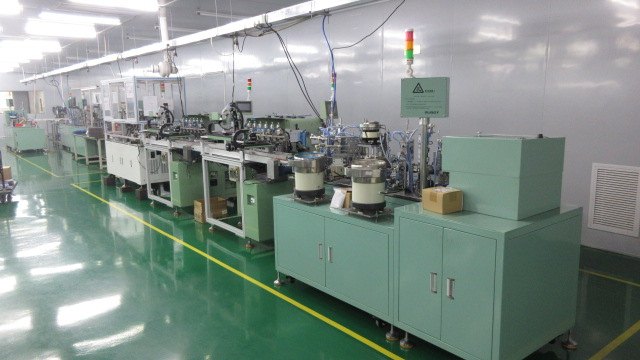
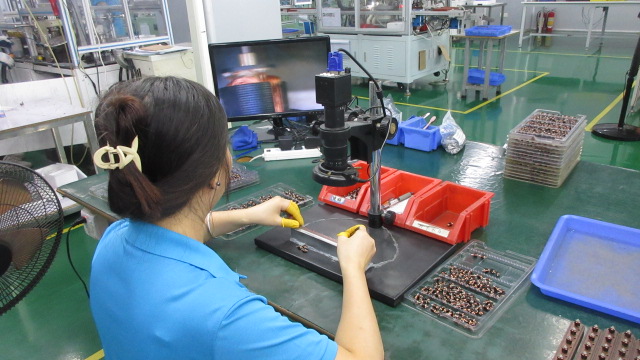
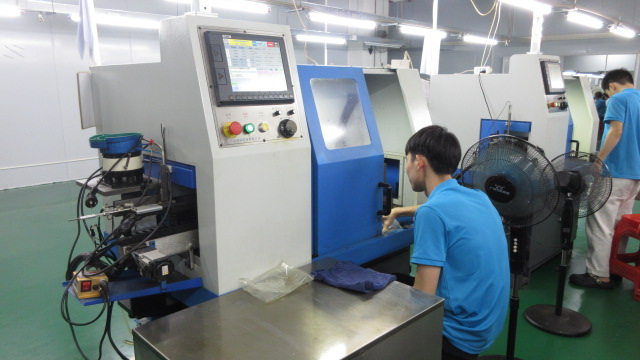
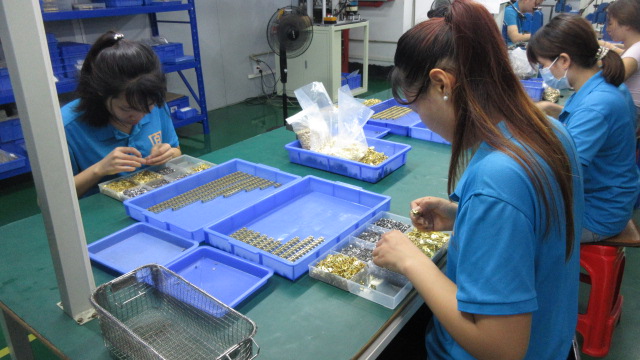
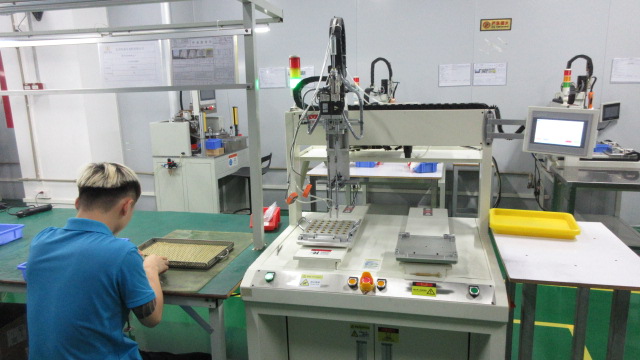
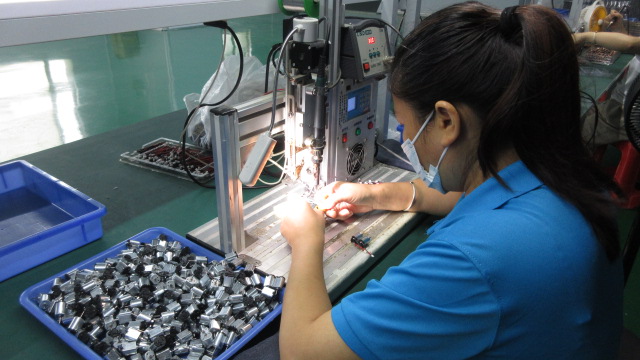
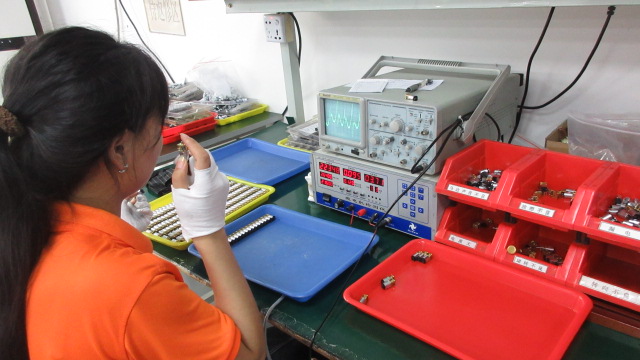
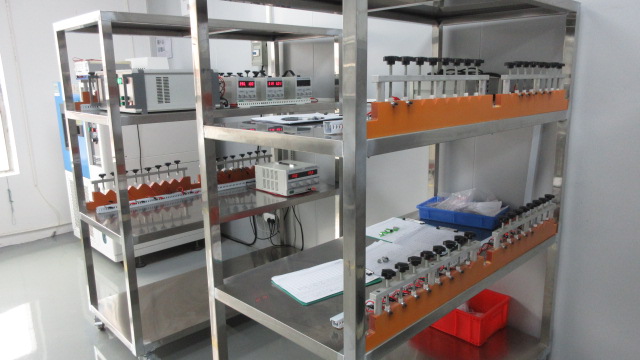
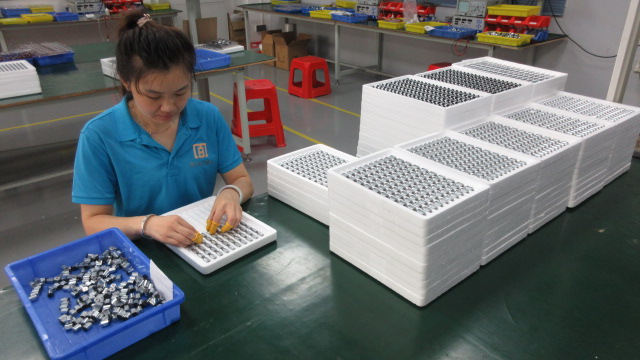
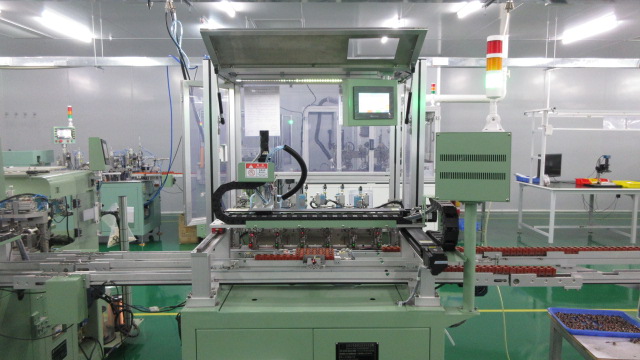
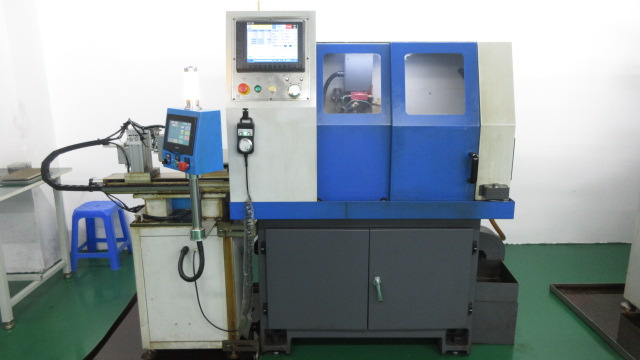
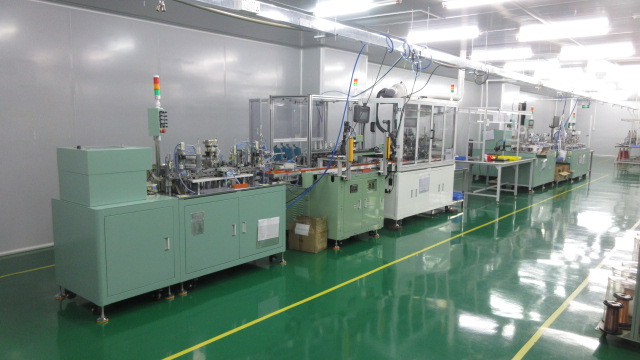
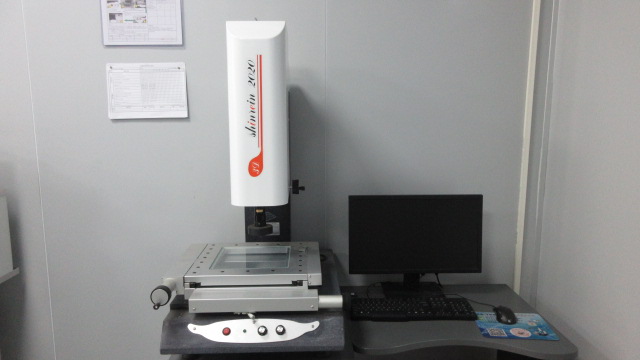
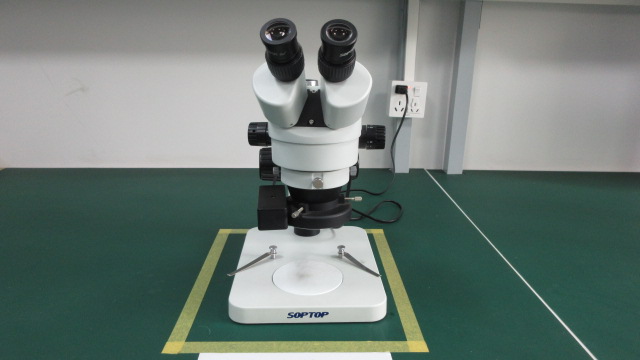
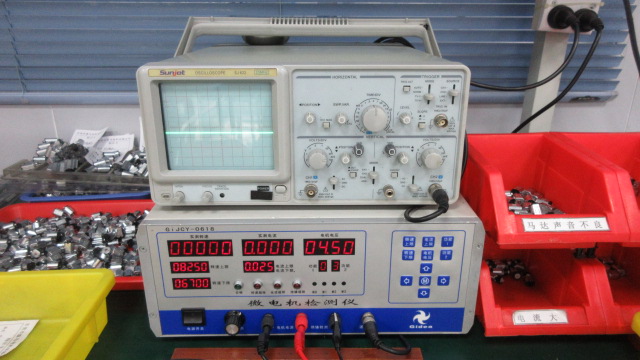
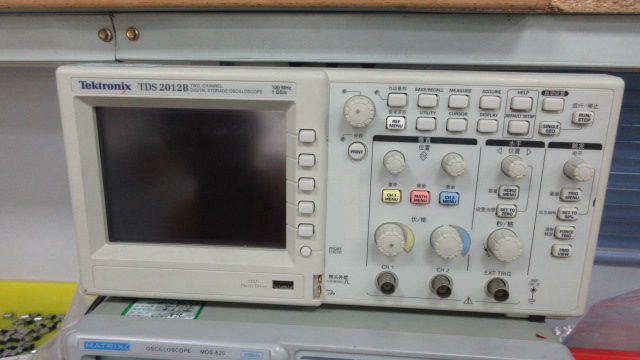
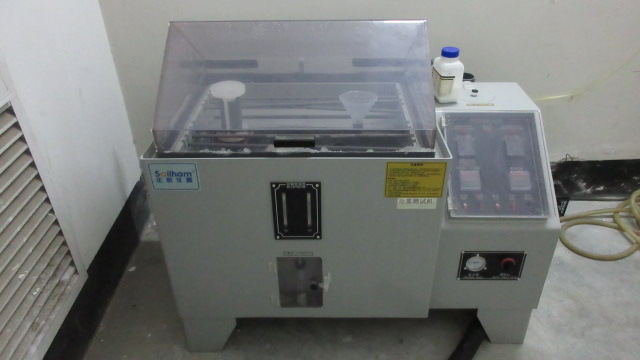
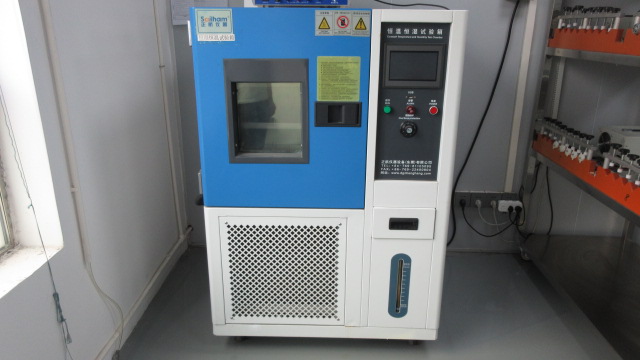
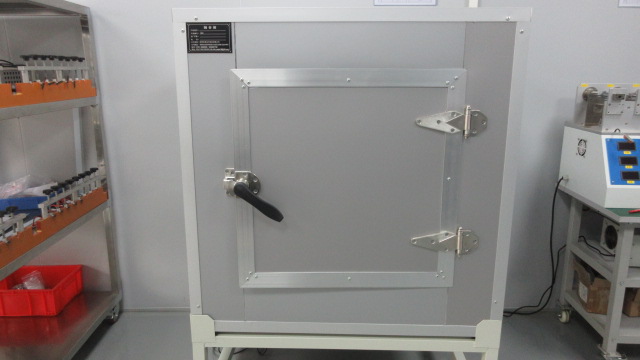
Original insights into Zelt Motor's specialized micro-drive production lines, ensuring consistent tolerances and reliable quality for international buyers.
Why Leading Global OEMs Partner with Zelt Motor Micromotor:
- 20+ Years of Industry Heritage: Deep manufacturing expertise providing mature, stable, and repeatable production quality.
- 100% Tailored Customization: Rapid prototyping services that quickly modify speed, torque, voltage, shaft shapes, and integrated electronics to match your exact device enclosure.
- Uncompromising Quality Control: Modern automated assembly lines paired with rigorous testing environments ensuring micrometer-level accuracy and zero-defect delivery.
- Seamless B2B Integration: Factory-direct communication, transparent lead times, and dedicated English-speaking technical support for hassle-free global collaboration.
Supply Chain Resilience & Regulatory Compliance for German OEMs
International sourcing requires attention to compliance, quality audits, and clear technical communication. For German mechanical and systems engineers, a micro motor is not just a component; it is a critical part of the system design that must carry long-term warranties. Our production systems comply with DIN EN ISO 9001:2015, ensuring traceabilty and process control from raw materials to final shipping.
Environmental Regulations (RoHS & REACH): Every product shipped to Europe is tested to verify compliance with current RoHS directives and REACH regulations. We provide chemical composition reports to verify that no banned hazardous materials are present in the final micro-drives. This protects your brand reputation and simplifies compliance audits.
Supply Chain Integrity (LkSG): German companies with more than 1,000 employees must comply with the German Supply Chain Due Diligence Act (Lieferkettensorgfaltspflichtengesetz). Zelt Motor supports compliance by verifying ethical labor practices, safe working conditions, and responsible mineral sourcing (CMRT documentation).
Local Engineering Interface: Communication gaps can cause project delays. We pair you with technical project managers who understand the engineering requirements of German industrial standards. We provide complete 3D CAD files (STEP format) and detailed datasheets containing torque curves, thermal resistance coefficients, and electrical inductance specs, allowing for straightforward integration into your design models.
Advanced Micro-Drive Options
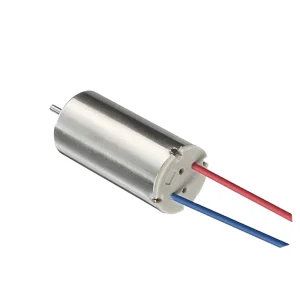
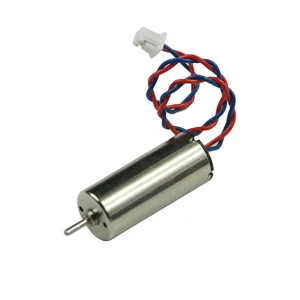
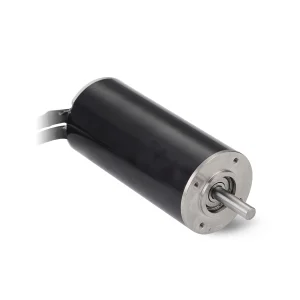
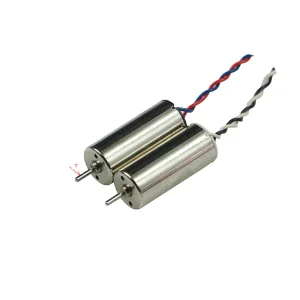
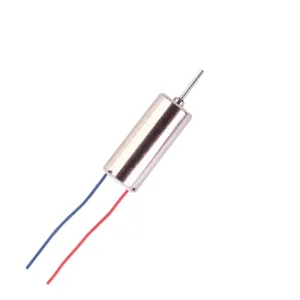
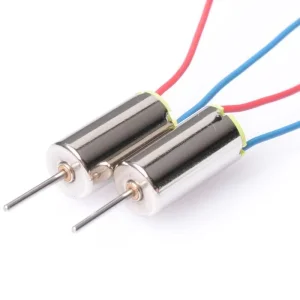
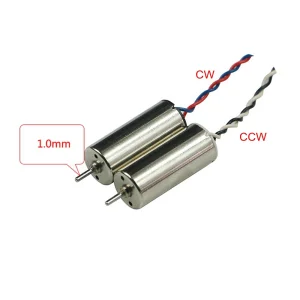
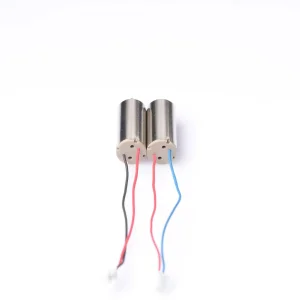
Browse our coreless product range featuring high speed outputs, custom vibration profiles, and brushless configurations suitable for the German market.
Future Technical Roadmap: Miniaturization & Smart Drives
The industrial requirements of the German market are moving towards even smaller micro-drives. We are currently developing a **1.5-gram coreless winding system** for surgical microrobots and intraocular medical devices. As outer diameters shrink below 4mm, maintaining winding accuracy and magnetic saturation properties requires specialized production tooling.
Another major trend is the integration of electronic control systems directly into the motor housing. Standard configurations often require external speed controllers (ESCs) or positioning drives, which add wiring and take up space. Our future roadmap focuses on coreless brushless motors with integrated **magnetic encoders** and miniature drive electronics capable of communicating over industrial bus systems like CANopen or EtherCAT.
Additionally, we are testing high-density cobalt alloys and **Neodymium N52 class magnets** to increase magnetic flux density within the air gap. This will allow for higher torque output without increasing the motor's size, helping you design more compact systems.
Technical Q&A for Design Engineers & Procurement Managers
Common questions regarding the application, customization, and importing of hollow-cup coreless micro-drives.