Zelt Motor
Featured Precise Micro Motor & Controller Products
Explore our foundational range of direct-source miniature drives and automation motors engineered to seamlessly pair with high-resolution stepper driver systems.
Executive Summary & Industrial Context
Bridging the Gap Between Chinese Manufacturing Efficiency and Global Precision Engineering Standards
Looking for a reliable, direct-from-source manufacturer to secure your miniature motor and stepper driver supply chain? Zelt Motor is built to bridge the gap between Chinese manufacturing efficiency and global engineering standards. We eliminate middle-men to deliver high-torque, industrial-grade micro drives and precision microstepping systems straight from our manufacturing floors to your global warehouse.
In modern industrial automation, the demand for precision positioning is increasing. A stepper driver serves as the critical brain of any positioning system, translating digital control pulses into precise step angles. By integrating advanced stepper driver design with our high-torque micro-motors, Zelt Motor offers OEMs a unified movement ecosystem. Our drivers feature advanced current control, microstepping interpolation, and thermal management capabilities to ensure smooth, low-resonance motion across diverse operating envelopes.
Global Commercial & Industrial Current State
Decentralized Smart Motion Architectures and High-Precision Sub-systems
The global automation sector is undergoing a massive shift towards decentralized intelligence. Systems engineers no longer rely on huge, centralized cabinets to run every motor. Instead, modern designs place intelligent stepper drivers right next to—or integrated directly on—the actuator. This minimizes electromagnetic interference (EMI), reduces cable harness costs by up to 60%, and drastically simplifies troubleshooting. This trend is driven by industries such as additive manufacturing (3D printing), automated medical laboratory analyzers, semiconductor sorting machinery, and warehouse logistics AGVs (Automated Guided Vehicles).
According to market reports, the demand for precision micro-stepping controllers and low-voltage stepper drivers is growing. With the rise of Industry 4.0, these drivers must communicate directly with upper-level systems via industrial Ethernet protocols (such as EtherCAT, PROFINET, Modbus TCP, or CANopen). A wholesale partner must not only supply standard motor components but also possess the R&D agility to adapt control boards for various networks. Zelt Motor operates at this intersection, providing the mechanical power of specialized micro motors alongside the intelligent driving units required by today's automated machines.
Technical Architecture & Roadmap of Stepper Drivers
Unlocking Dynamic Current Control, Vector Algorithms, and Next-Gen Power Semiconductors
To maximize step accuracy, reduce resonance, and lower motor temperatures, stepper driver architecture relies on advanced power electronics and control methodologies:
- Adaptive Microstepping & Interpolation: Advanced drivers accept low-resolution step commands (e.g., 16 steps/revolution) and interpolate them internally to up to 256 microsteps per full step. This guarantees quiet operation and smooth motion profiles, especially at low velocities where resonance is typically problematic.
- Field-Oriented Control (FOC) Integration: Closed-loop stepper systems run the motor as a high-pole brushless motor. By monitoring real-time rotor angle using high-resolution encoders (such as optical or magnetic absolute encoders), the driver applies sinusoidal current vector control, eliminating step loss and reducing heat output by adjusting current based on torque requirements.
- Sensorless Stall Detection (Back-EMF Profiling): Modern driver ICs analyze the back-electromotive force (Back-EMF) signature of the winding currents to detect mechanical overload. This eliminates the need for external homing switches or encoders, saving space and BOM costs.
- Advanced Thermal Spread and GaN Transition: In compact designs, heat dissipation is critical. Transitioning from standard Silicon MOSFETs to Gallium Nitride (GaN) power stages allows higher switching frequencies, lower switching losses, and smaller footprints, enabling drivers to fit inside the motor housing.
Standard Precision Motion Reference Specifications
China Supply Chain Resilience & Manufacturing Advantages
Raw Materials, Advanced Automation, and Unmatched Cost-to-Performance Ratios
Purchasing wholesale from Chinese stepper driver and motor factories like Zelt Motor offers major strategic advantages. Our manufacturing facility in China's industrial hub provides several benefits:
- Integrated Material Supply Chain: Our facility is located within a specialized industrial cluster, offering direct access to key raw materials. This includes premium copper wire, high-grade silicon steel laminations, NdFeB (Neodymium) magnets, and local semiconductor sourcing. This local integration minimizes transport delays and reduces material sourcing costs.
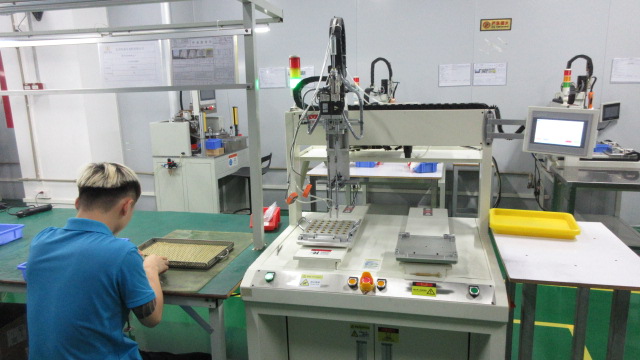
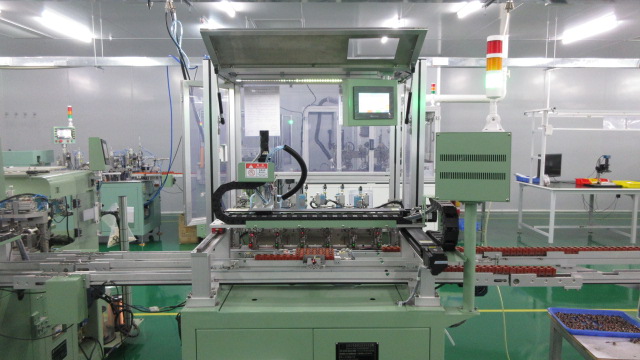
- High-Speed SMT (Surface Mount Technology) Facilities: Driving units require highly automated PCB assembly (PCBA). Our factory uses advanced high-speed Pick-and-Place systems, lead-free reflow ovens, and Automated Optical Inspection (AOI) to construct driver boards with low failure rates.
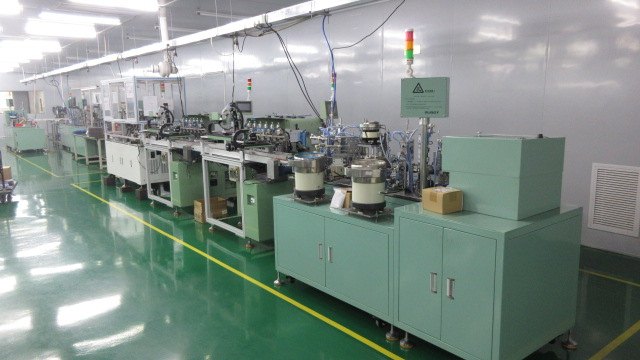
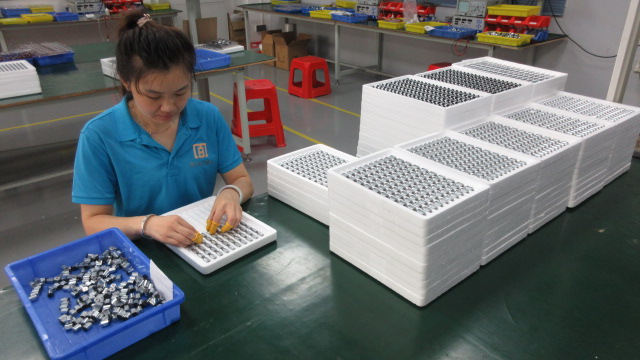
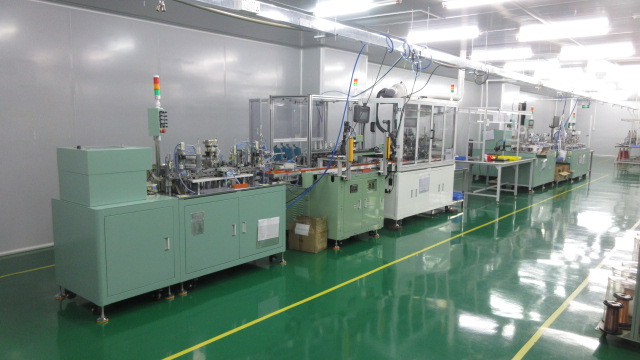
- Scale and Flexibility: With automated winding and assembly lines, we can scale production from small custom batches to massive monthly volumes, helping you manage demand fluctuations without maintaining large inventories.
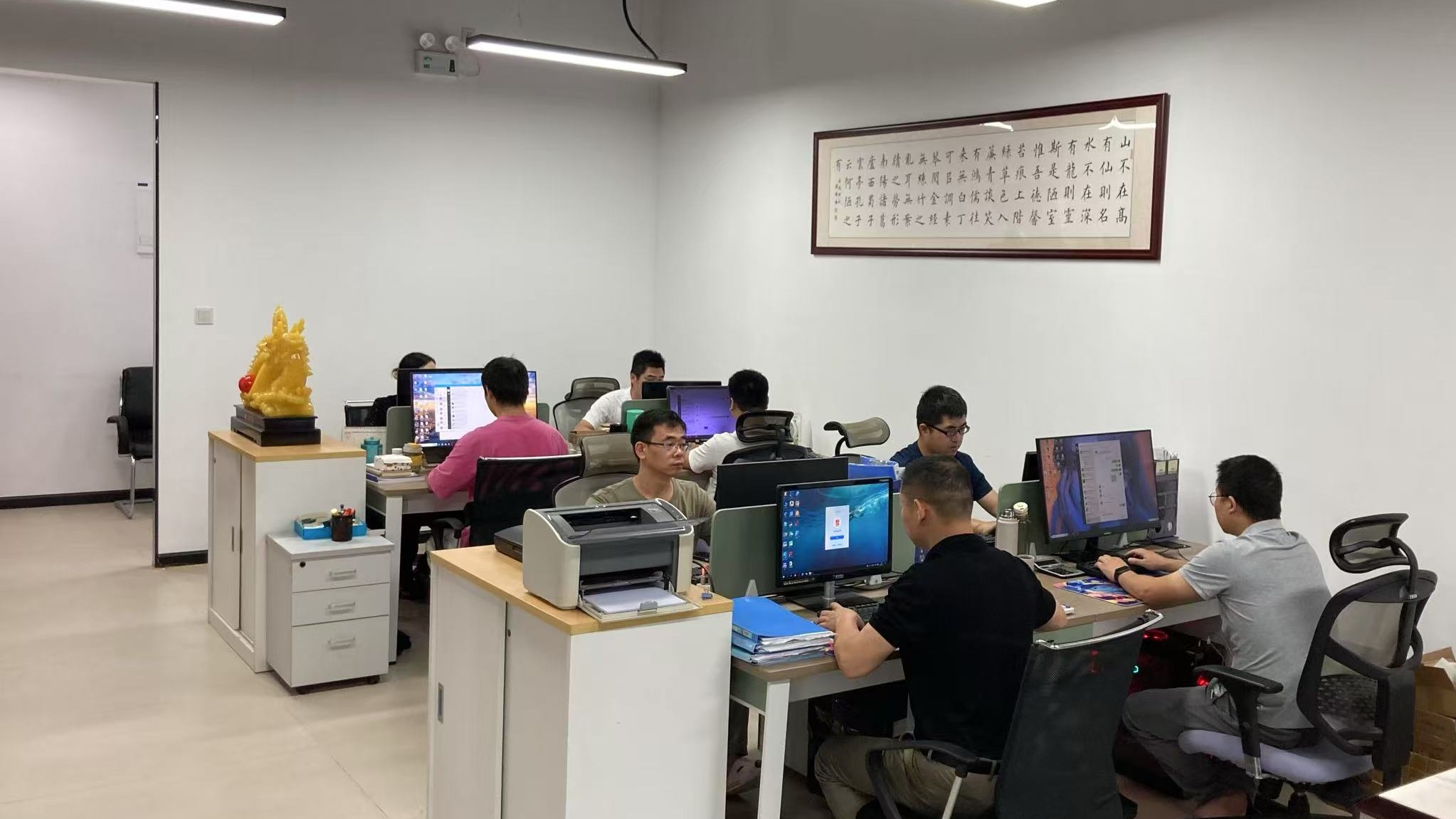
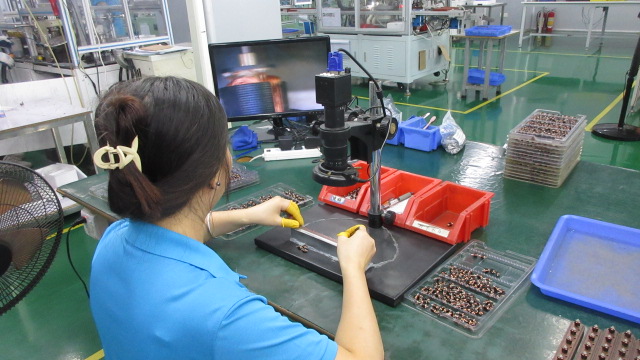
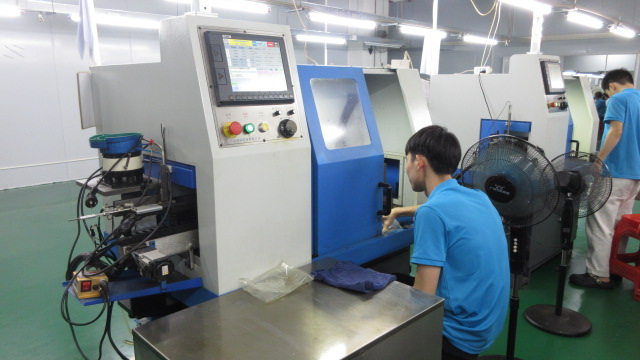
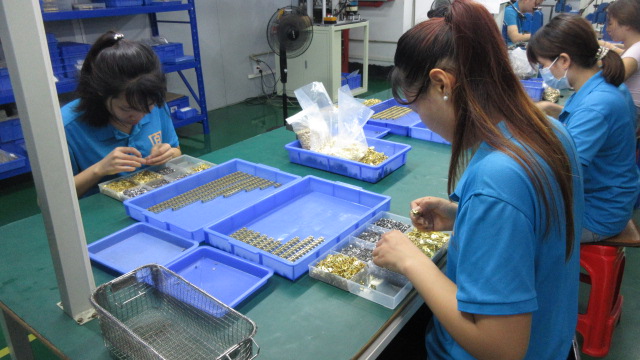
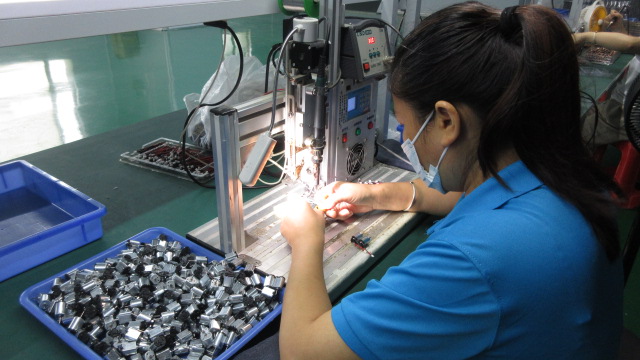
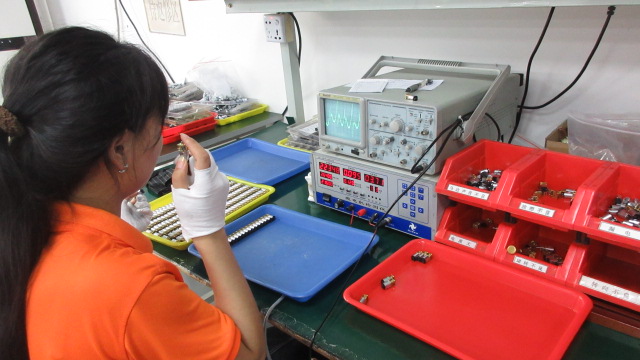
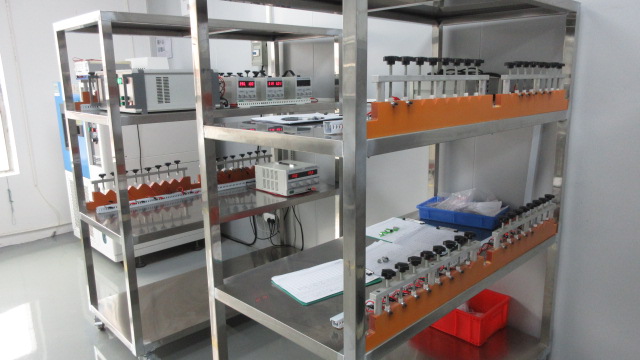
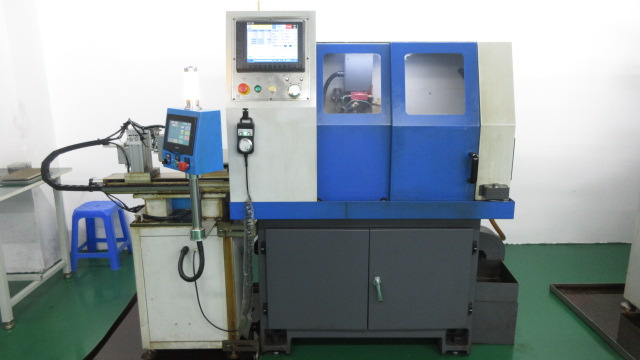
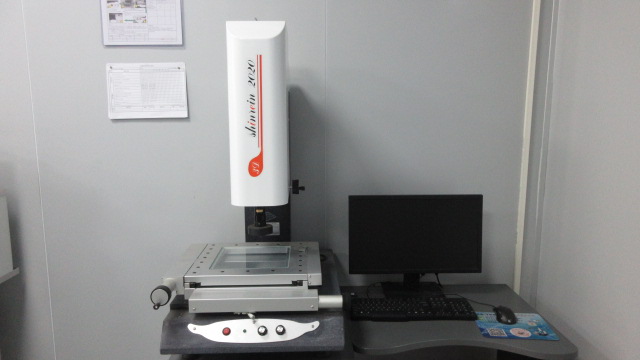
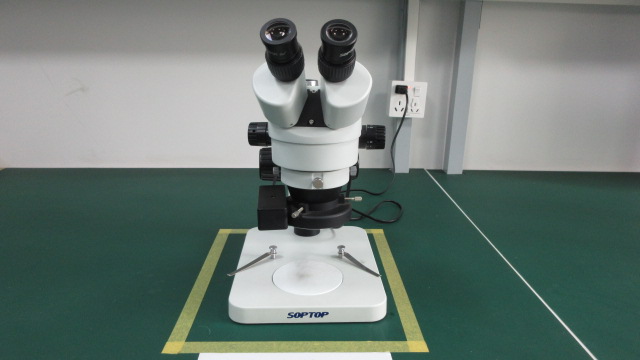
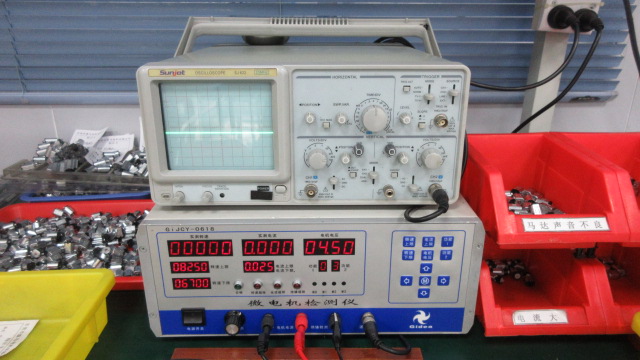
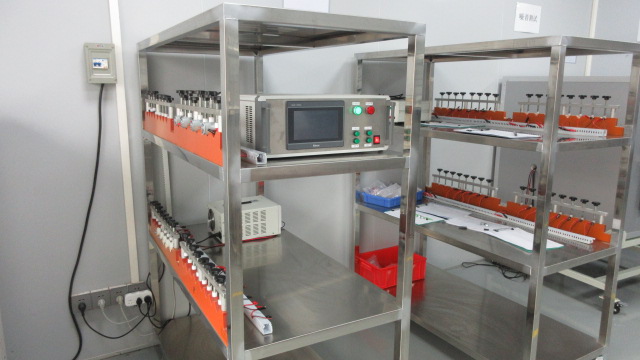
Factory Production & Quality Inspection Process
Rigorous, transparent process monitoring from the assembly line to final quality checks
Localized Application Scenarios
Precision Motion Control Across Key Industrial Geographies
European Smart Factories (Industry 4.0)
Our stepper drivers are widely used in European assembly lines, integrating via CANopen and EtherCAT protocols to automate material handling systems with minimal human intervention.
North American Medical Automation
In diagnostics, liquid handling, and medical assay equipment, our silent microstepping drivers ensure quiet and high-precision fluid metering, meeting strict medical safety standards.
Asian Consumer Electronics & CNC
Our drivers power high-density SMD pick-and-place lines, camera module test rigs, and multi-axis miniature CNC tooling stations in major electronics manufacturing regions.
Technical Roadmap & Future Outlook
The Future of Intelligent Integrated Motion Control
Looking ahead, the development of stepper motor drivers focuses on increased intelligence and integration. We are focusing on two key technological developments:
1. Fully Integrated Motor + Driver Units: By combining the motor, encoder, and driver into a single unit, we eliminate motor cabling, reduce electromagnetic emissions, and simplify thermal design. This compact setup allows designers to integrate intelligent movement directly into space-constrained systems.
2. AI-Assisted Sensorless Torque Calibration: Using real-time motor current monitoring and machine learning algorithms in the driver, we can predict mechanical wear and detect binding. This enables predictive maintenance, notifying systems of potential mechanical issues before they cause downtime.
Compliance, Quality Control & Localized Technical Support
Ensuring global compliance and reliable Field Application Engineering (FAE)
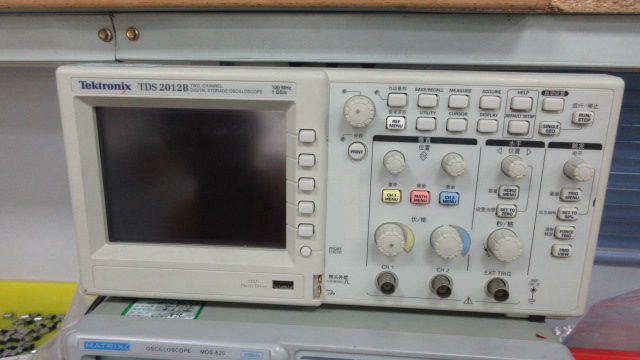
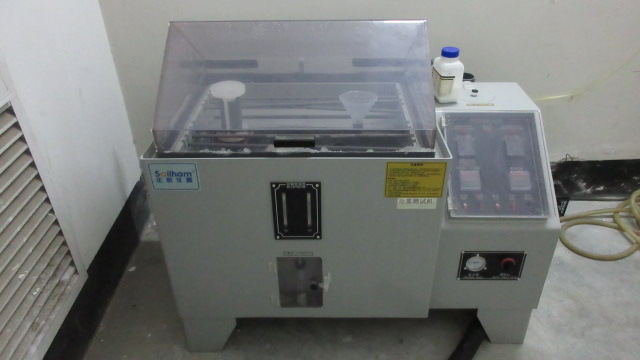
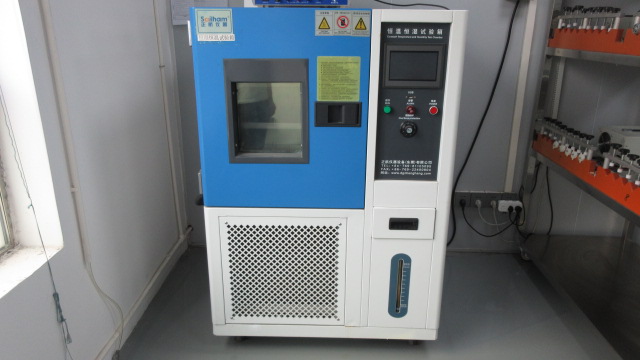
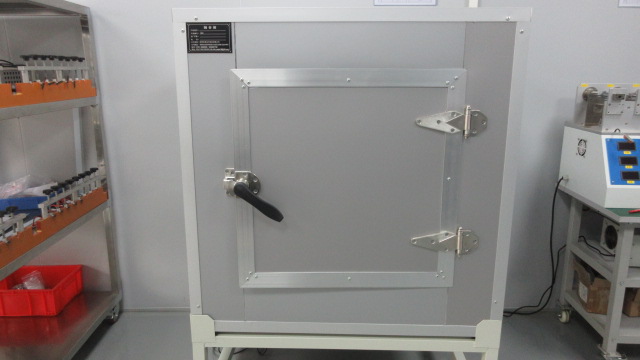
Every stepper driver and micro motor we ship undergoes extensive testing. Our testing laboratory features coordinates measuring machines, microscopes, comprehensive electrical testers, oscilloscopes, salt spray chambers, constant temperature/humidity rooms, soundproof chambers, and life aging systems. This ensures compliance with international standards, including CE, RoHS, UL, and REACH.
Our localized support team assists your engineers from initial selection through final calibration. We provide layout assistance for system integration and help debug communication issues, ensuring your production runs smoothly.
Stepper Driver Procurement FAQ
Addressing Crucial Engineering and Commercial Sourcing Questions
Complete High-Performance Drive & Actuator Solutions
Integrate our specialty micro-motors with your stepper driver networks to build robust motion control systems