 Zelt Motor
Featured Micro Actuators & Motors (Catalog Part I)
Discover high-performance micro DC and brushless drives customized for modern telecom routing, micro-actuation, and locking mechanisms.
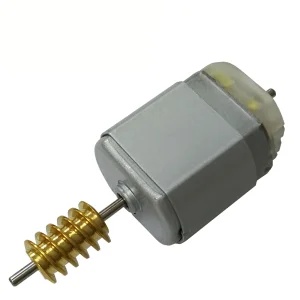
Engineered for compact actuation profiles, this FC280 DC motor relies on carbon brush commutation and permanent magnets to maximize efficiency and torque density in space-constrained layouts.
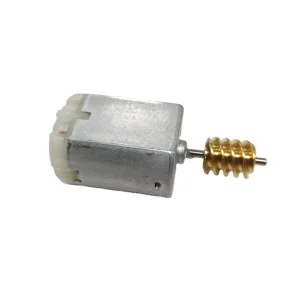
Designed for automotive and industrial grade locking devices, providing stable, high-torque outputs and robust mechanical durability across fluctuating temperature ranges.
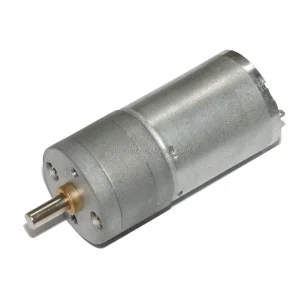
A rugged 100:1 spur/spur-planetary gear configuration offering precision 60 RPM/100 RPM output speeds. Fully compliant with RoHS standards for global system integration.
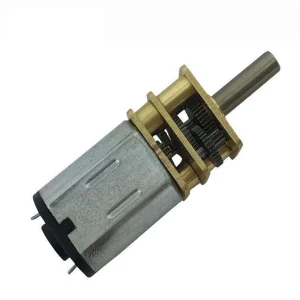
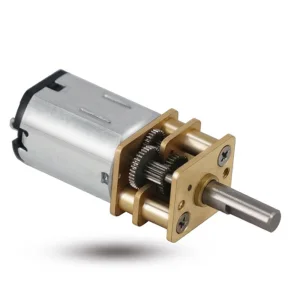
The N20 series micro metal gearmotor represents the industry benchmark for sub-miniature automation, high precision, and custom speed-to-torque conversion in portable devices.
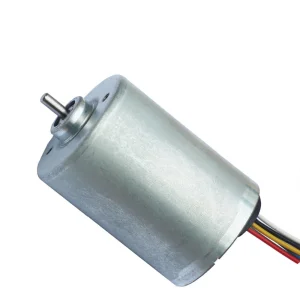
A comprehensive range of high-efficiency brushless DC motors, ensuring long operating lifespans and excellent dynamic speed control across varied input voltages.
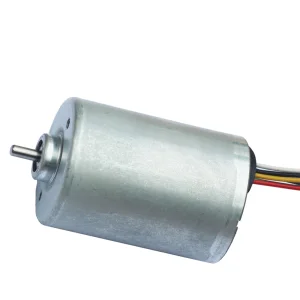
Equipped with heavy-duty ball bearings, this BL3657 BLDC motor minimizes electromagnetic interference (EMI) and noise floor, making it excellent for high-precision sensors.
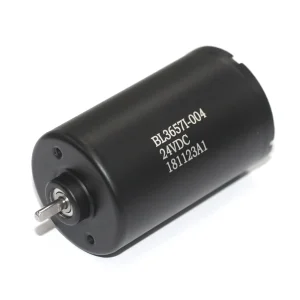
Scalable brushless solutions spanning 10W to 150W power profiles. Ideal for industrial actuation, automation, and closed-loop speed regulation designs.
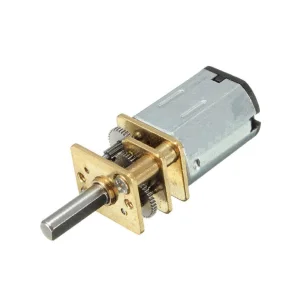
Optimized for high torque outputs in miniature scale, featuring precision-machined metal gearwheels configured to deliver dependable performance in extreme spatial footprints.
Industrial Evolution: The Role of Precision Micro-Motors in Fiber Optic and Networking Infrastructure
In modern industrial and telecommunications architecture, the term Fiber Optic Motor refers to highly specialized, ultra-precise micro-drives designed to manage and regulate light-guiding networks. These precision motors facilitate automatic fiber alignment, optical switch reconfigurations, wavelength tuning, and optical transceiver manufacturing. As data transmission capacities push beyond 400G and 800G, the physical positioning tolerances of fiber optic interfaces have narrowed to the sub-micron level.
Standard rotary or linear actuators can no longer satisfy these rigid requirements. Today's global fiber infrastructure relies on high-resolution micro DC brushless (BLDC) motors and customized planetary gear units that eliminate backlash and micro-step errors. This technological evolution requires manufacturing facilities to adapt quickly, moving from general micro-drive designs to high-performance, low-vibration, and electromagnetically silent systems.
- Sub-Micron Control: Crucial for alignment systems where a deviation of 1 micron can cause up to 3dB of optical insertion loss.
- Low Electromagnetic Interference (EMI): Fiber sensors and high-speed data transceivers require motors that do not introduce electrical noise into adjacent circuitry.
- Long Operating Lifespans: Under constant feedback control loops, micro brushless motors (such as the BL3657 or planetary variants) guarantee years of maintenance-free operation.
Global Sourcing Dynamics: Meeting OEM Expectations for Precision Micro Drives
Sourcing directors at top-tier networking companies, medical equipment suppliers, and aerospace institutions evaluate potential micro-motor suppliers using rigorous verification metrics.
1. Mechanical Customization Capabilities: Standard catalog motors rarely fit customized optical assemblies. Design engineers require fast modifications to output shaft dimensions, customized wiring harnesses, integrated magnetic/optical encoders, and specialized gearheads (such as micro planetary or high-ratio spur gears).
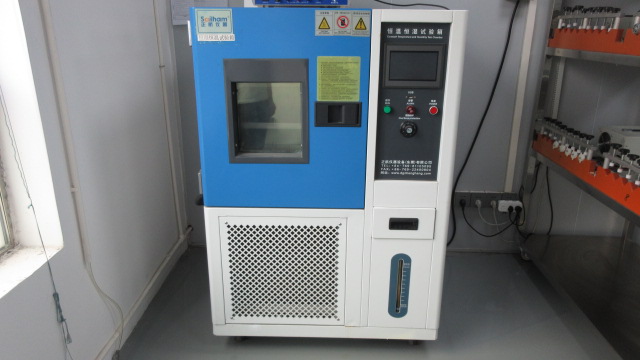
2. Thermal and Environmental Resilience: Fiber optic transceivers and outdoor distribution terminals operate in challenging conditions. Driving components must maintain stable torque profiles in temperatures ranging from -40°C to +85°C without lubricant degradation or magnetic loss.
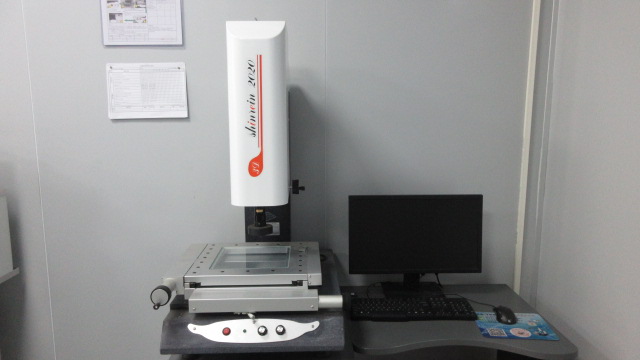
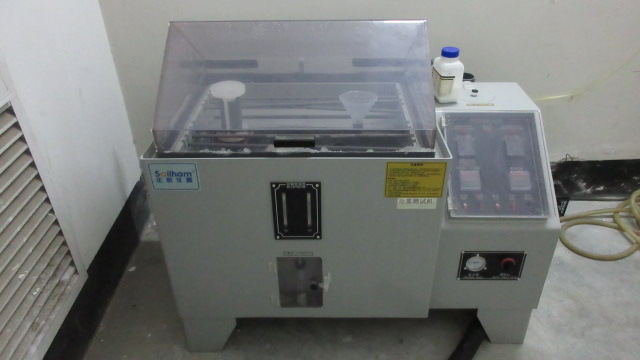
3. Advanced Testing Validation: Top-tier buyers expect full test reports covering salt spray testing, life-aging tests under load, and comprehensive dimensional reports measured by coordinate measuring machines (CMM).
Zelt Motor: Connecting Chinese Manufacturing Efficiency with Global Standards
Looking for a reliable, direct-from-source manufacturer to secure your miniature motor supply chain? Zelt Motor is built to bridge the gap between Chinese manufacturing efficiency and global engineering standards. We eliminate middlemen to deliver high-torque, industrial-grade micro drives straight from our manufacturing floors to your global warehouse.
Why Leading Global OEMs Partner with Zelt Motor Micromotor:
- ✔ 20+ Years of Industry Heritage: Deep manufacturing expertise providing mature, stable, and repeatable production quality.
- ✔ 100% Tailored Customization: Rapid prototyping services that quickly modify speed, torque, voltage, shaft shapes, and integrated electronics to match your exact device enclosure.
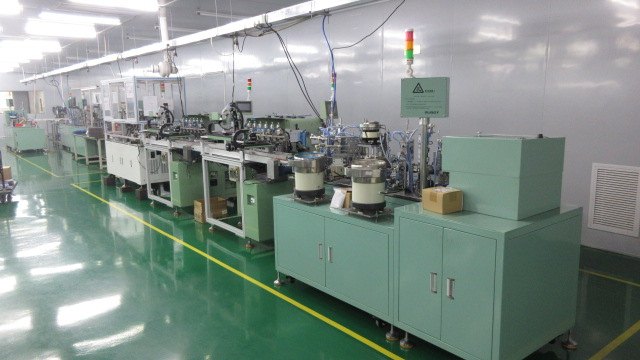
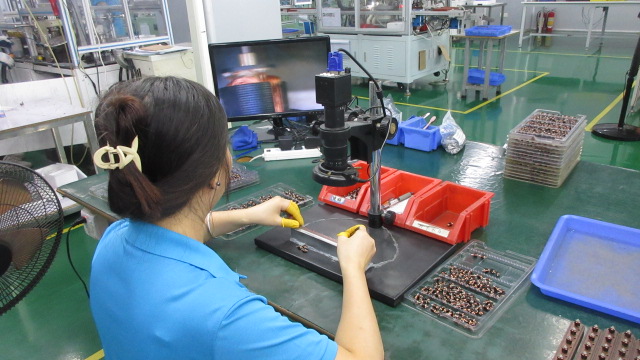
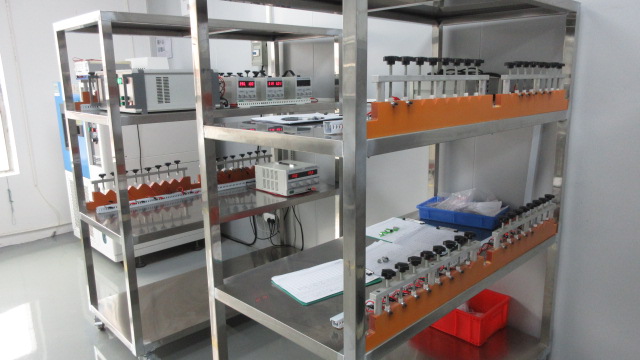
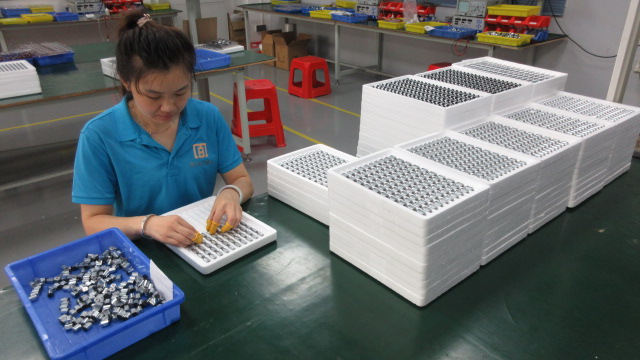
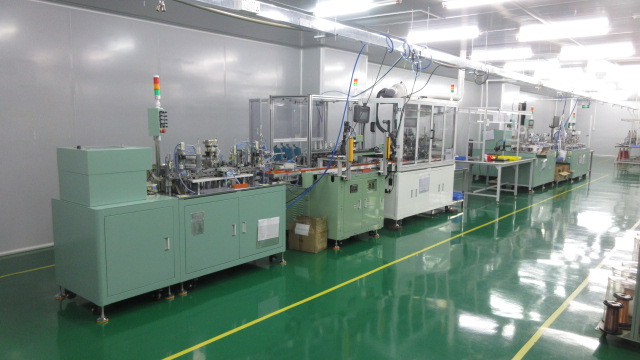
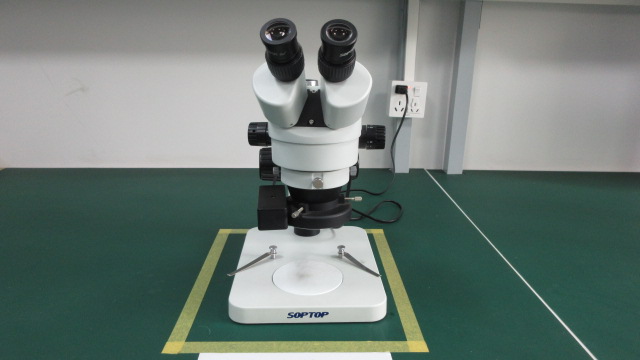
- ✔ Uncompromising Quality Control: Modern automated assembly lines paired with rigorous testing environments ensuring micrometer-level accuracy and zero-defect delivery.
- ✔ Seamless B2B Integration: Factory-direct communication, transparent lead times, and dedicated English-speaking technical support for hassle-free global collaboration.
China Industry 4.0: Achieving Supply Chain Resilience and Quality and Cost Efficiency
China’s micro-motor manufacturing clusters have moved beyond basic component assembly. Today, facilities leverage Industry 4.0 technologies to deliver advanced manufacturing precision at competitive price points.
Modern micro-motor manufacturing relies on highly integrated supply chains. Component processes—including copper wire drawing, electromagnetic steel stamping, gear hobbing, and plastic injection molding—often occur within a localized radius. This ecosystem lowers transit overhead, minimizes manufacturing lead times, and allows for agile custom engineering.
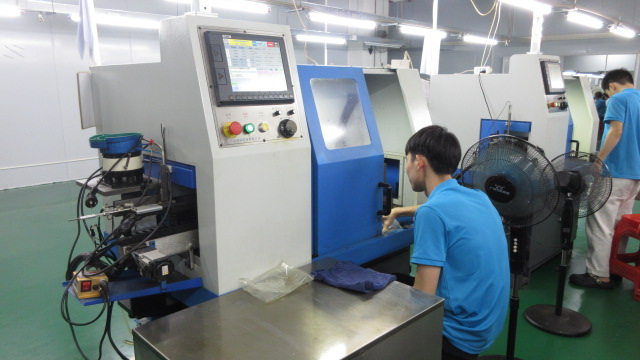
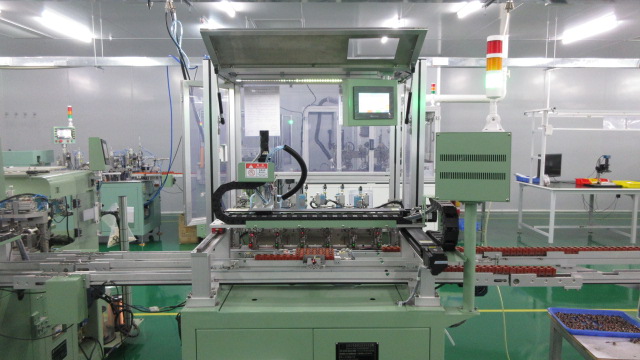
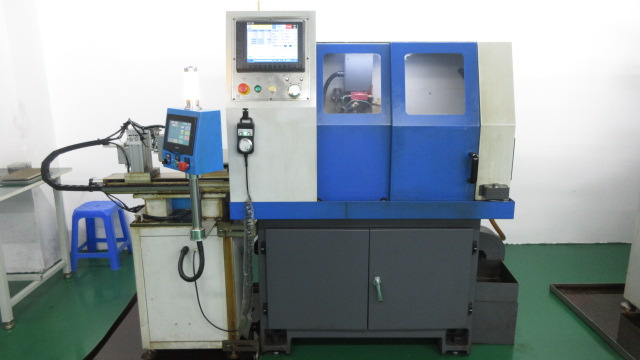
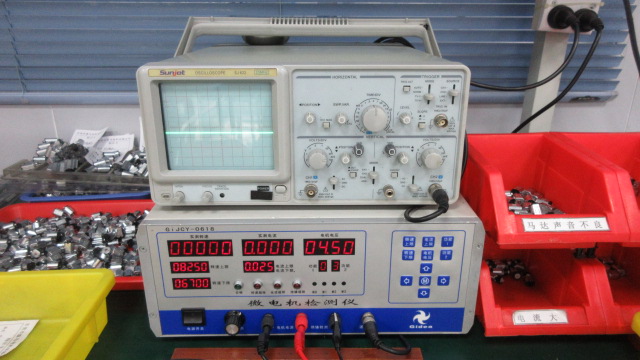
By using automated winding machinery, precision gear hobbing systems, and integrated DC motor testing equipment, factories like Zelt Motor maintain strict tolerances. Implementing Statistical Process Control (SPC) loops helps ensure that high-volume production runs meet consistent quality standards, reducing assembly defects and enhancing operating lifetimes.
This automated foundation allows Zelt Motor to offer flexible, direct-to-source pricing structures without compromising on materials, quality checks, or final performance profiles.
Procurement Checklist:
- ■ ISO9001 and IATF16949 Certifications
- ■ Automated coil winding and rotor balancing
- ■ Full environmental testing capabilities
- ■ In-house coordinate measurement validation
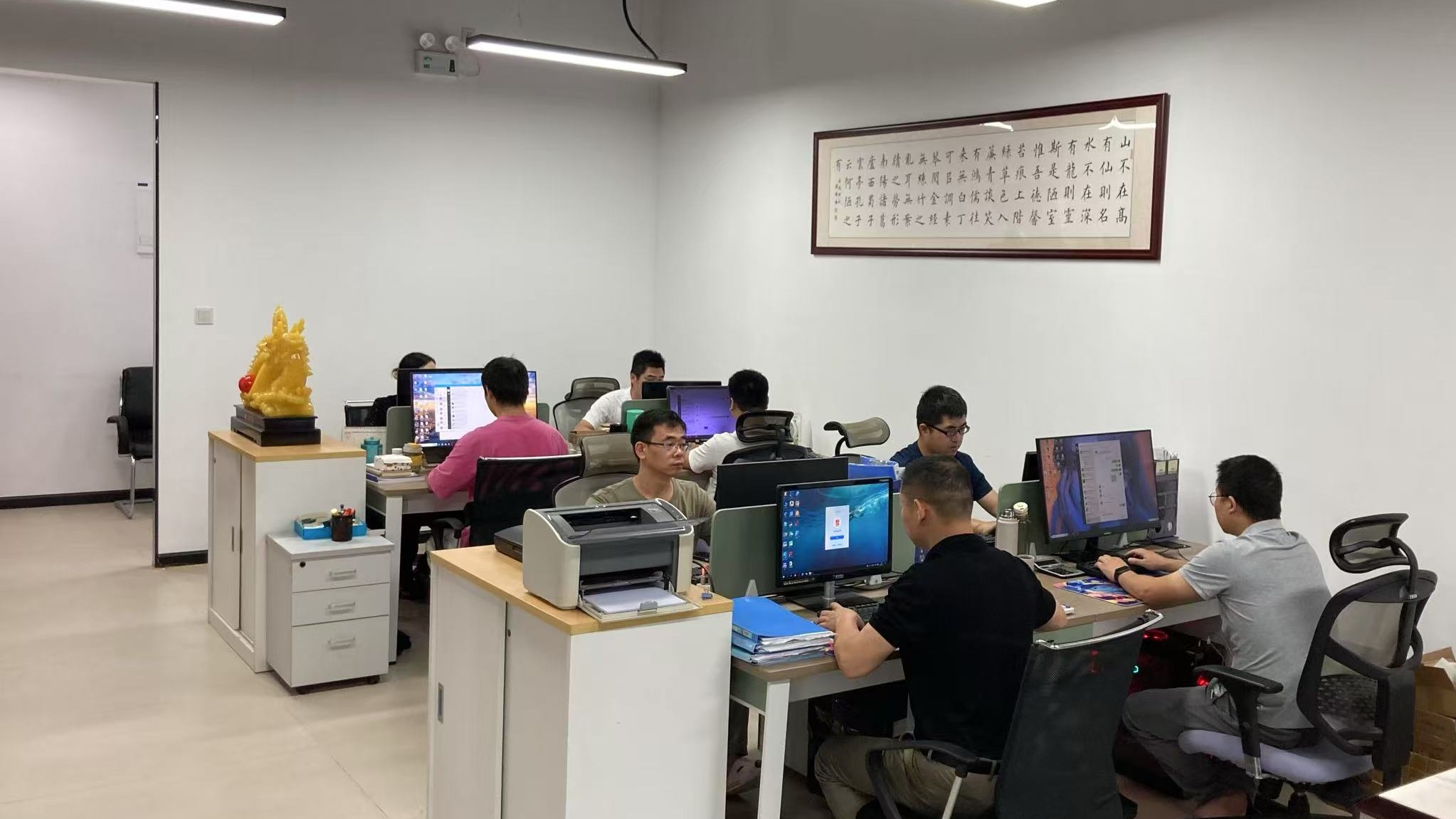
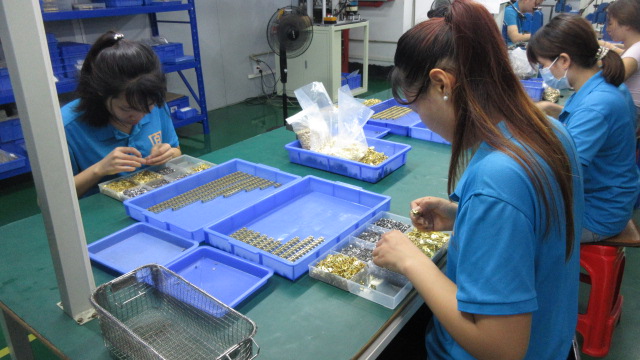
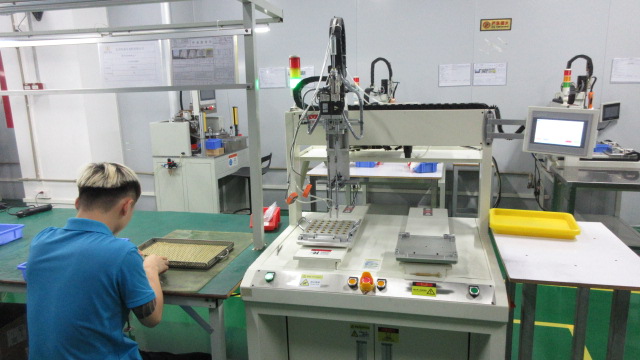
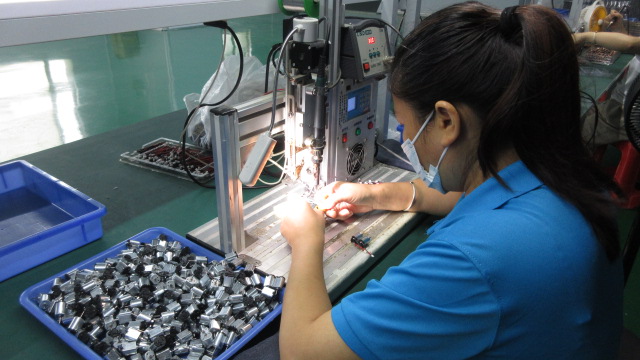
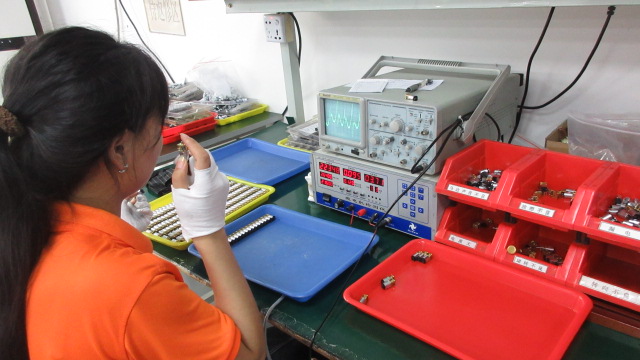
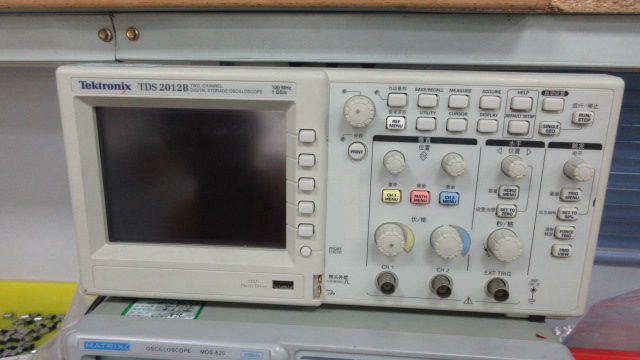
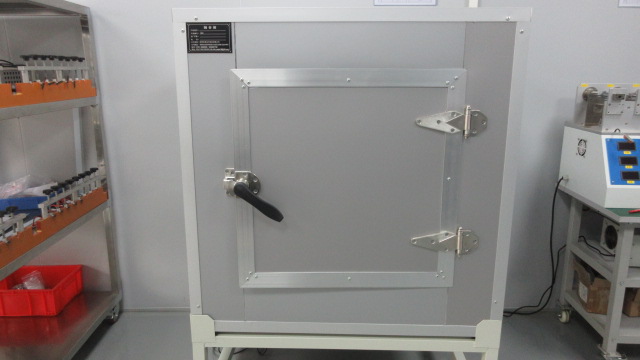
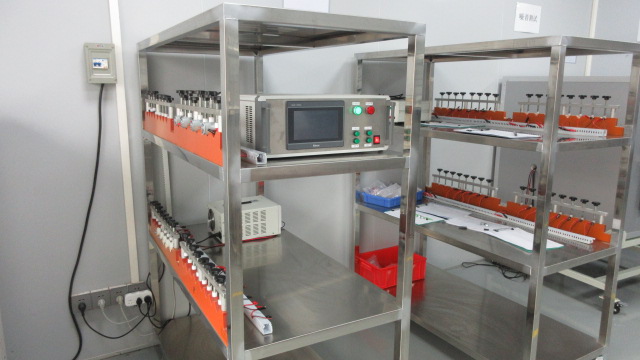
Manufacturing Infrastructure & Advanced Quality Assurance Equipment
Step inside Zelt Motor's precision production floors. Below is a look at our automated assembly, gear machining, and quality assurance processes.
Industrial Integrations: Target Applications for Micro Actuators
Precision motors and drives are key components in modern telecommunications, data centers, smart structures, and automation devices.
1. Optical Alignments & Transceiver Splicers
Optical fusion machines require micro-drives that can adjust fiber positions down to sub-micron scales. High-ratio planetary gearboxes paired with precision N20 step configurations provide the necessary resolution to minimize alignment errors and connection losses.
2. Remote Optical Switches and Variable Attenuators
Modern telecommunication nodes adjust path configurations using optical switches. High-efficiency brushless motors like the BL3650 series provide the fast, reliable actuation needed for consistent switching operations.
3. Industrial Smart Security & Locking Mechanisms
Automated industrial environments rely on rugged locking systems. The FC280 and FK 280SA series are optimized for these demands, delivering reliable locking performance in compact enclosures.
4. Medical Precision Pumps and Actuators
Medical and diagnostic devices demand highly reliable performance and low operating noise. Brushless DC configurations provide smooth power output with minimal electromagnetic interference.
5. Remote Antenna Tilt & Positioning Systems
Cellular base stations adjust antenna angles to optimize signal distribution. Micro-drives in these systems must endure extreme weather conditions, thermal cycling, and high wind resistance.
6. Smart Robotic Articulations
Automated guided vehicles (AGVs) and collaborative robots require high torque density in tight spaces. Micro planetary gearboxes combined with high-RPM DC motors help address these packaging constraints.
Industrial Actuation FAQ: Selection & Specification Guide
Frequently asked questions by engineering and procurement teams sourcing micro-drives and actuator motors.
How do micro DC motors facilitate precision alignment in fiber optic equipment?
Fiber optic alignment systems rely on sub-micron movements. This is achieved by combining high-speed micro DC motors with high-ratio gearboxes (such as 100:1 or planetary gearheads). The reduction ratio scales down the angular rotation of the motor shaft, allowing for precise control. Integrating high-resolution encoders provides closed-loop feedback, allowing systems to make fine adjustments to optical fibers and reduce signal loss.
What are the primary differences between coreless, brushed, and brushless DC motors for space-constrained designs?
Brushed motors (like the FC280) are cost-effective and simple to control, though brush wear can limit their operating lifespan. Brushless DC (BLDC) motors (such as the BL3657) eliminate brush wear, making them ideal for continuous, high-efficiency operations with low electromagnetic interference. Coreless motors utilize a winding configuration that eliminates iron-core losses, offering faster acceleration and reduced mechanical cogging for highly responsive applications.
How does Zelt Motor handle custom requests for output shafts and electrical connectors?
We offer comprehensive mechanical and electrical customization. Sourcing teams can provide drawings specifying shaft geometry (including D-cuts, keyways, cross-holes, or threading), lead wire lengths, and connector types. Our engineering department can quickly modify existing tooling to produce custom prototypes for validation.
Which testing standards are applied to verify motor durability in harsh environments?
We subject our motor designs to rigorous qualification testing. This includes salt spray testing (to evaluate corrosion resistance of metal casings and shafts), constant temperature and humidity testing (ranging from -40°C to +85°C), vibration profile sweeps, and long-term life aging under load in dedicated soundproof acoustic testing chambers.
What measures are taken to ensure consistent manufacturing quality across large production volumes?
Our manufacturing processes combine automated equipment with strict quality checkpoints. Key processes—such as rotor coil winding and bearing insertion—are automated to maintain consistency. Additionally, our coordinate measuring machines (CMM) monitor critical dimensions, while every completed batch undergoes testing with specialized testers to verify electrical and performance profiles.
What are the standard lead times for prototyping and mass production orders?
Standard prototypes can typically be prepared and shipped within 7 to 15 days, depending on configuration complexity. For high-volume mass production runs, normal lead times range between 25 and 35 days, facilitated by our automated assembly lines and integrated material supply network.
Featured Micro Actuators & Motors (Catalog Part II)
Explore additional precision motors, including planetary gear drives and high-torque micro actuators designed for diverse industrial and automotive applications.
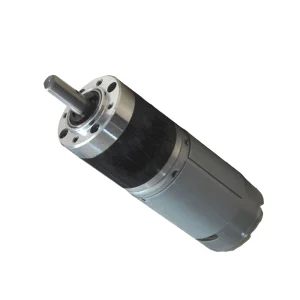
Designed for heavy-duty applications requiring high torque output. Features a 36mm planetary gearbox capable of supporting up to 10kg loads at 75 RPM.
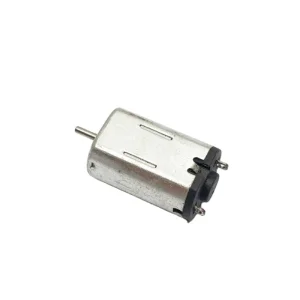
An ultra-lightweight, high-speed micro brushed DC motor designed as a drop-in replacement for N20-sized footprints in compact devices.
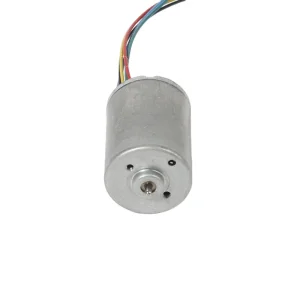
Features an integrated internal driver board, simplifying external wiring and providing smooth, closed-loop speed regulation across varying load demands.
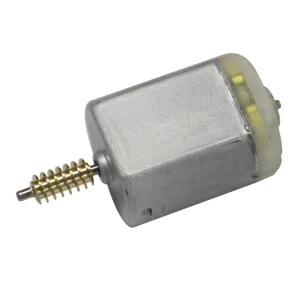
A low-voltage, high-RPM permanent magnet DC motor optimized for handheld personal care devices and micro mechanical systems.
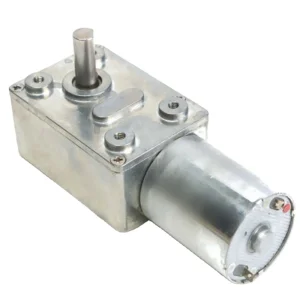
Featuring a double-ended output shaft, this 370-series motor allows for dual-drive mechanisms and synchronous positioning control designs.
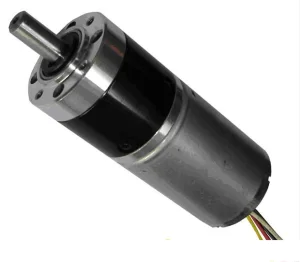
Combines high-efficiency brushless motor technology with precision planetary gearheads, delivering high torque outputs and low backlash in a compact package.
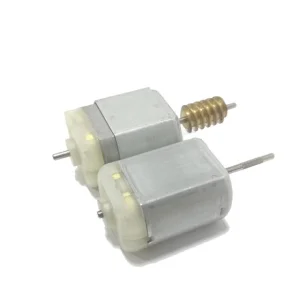
An automotive-grade actuator motor featuring permanent magnet brush commutation, engineered to deliver reliable performance for door locking systems.
Features a high-reduction 298:1 ratio, offering increased torque for precise movement control in robotic platforms and micro-actuators.