 Zelt Motor
Engineered for the Berlin High-Tech Ecosystem
Direct-from-factory high-performance coreless DC motors optimized for rapid-prototyping medical incubators in Adlershof, cleanroom assembly lines, and micro-UAV developmental centers in Berlin-Brandenburg.
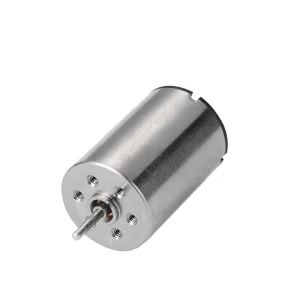
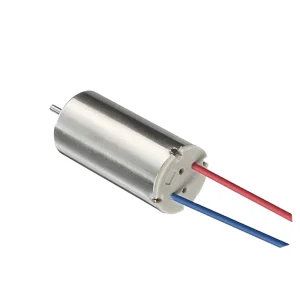
Berlin Aerospace Grade 12mm Micro Coreless Motor 1220 (12V DC for Unmanned Aircraft Models & Quadcopters)
View Technical Specifications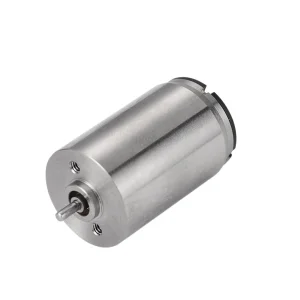
Berlin Robotics Edition 12mm-30mm High Speed Brushless Coreless BLDC Motor (6V / 12V High-Torque Performance)
View Technical Specifications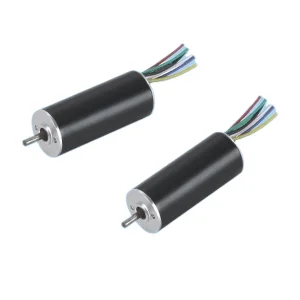
Berlin Industrial Line Custom 12mm Diameter High Speed 12V/24V DC Micro Coreless Motor with Premium Winding
View Technical Specifications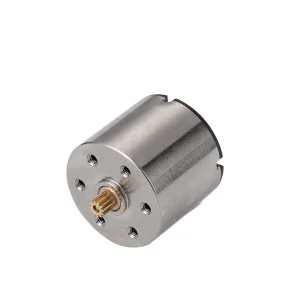
Berlin Biomedical Grade 12mm-22mm 6V/12V/24V Coreless DC Micro Motor for Medical Pumps and Aeromodelling
View Technical SpecificationsBerlin’s Tech Boom and The Demand for Coreless Drive Integration
Berlin has transitioned into a premier global hub for advanced hardware engineering, industry 4.0 applications, and specialized biomedical research. From key labs at the Adlershof Science and Technology Park to the burgeoning robotics incubator spaces in Berlin-Mitte and Siemensstadt, precision motion control systems form the foundational architecture of German innovation. The classic slotted DC motor, though reliable, often fails to meet the strict dynamic requirements, low thermal output, and micro-footprints demanded by contemporary European designers.
Why Berlin Engineers are Transitioning to Coreless Topologies: By removing the laminated iron core from the rotor assembly, coreless DC motors eliminate magnetic cogging torque. This means zero detent torque, enabling incredibly smooth rotation even at minimal speeds. It permits high acceleration profiles, optimal efficiency ratios (often exceeding 85%), and minimal electromagnetic interference (EMI)—vital parameters for devices operating near sensitive sensors, clinical telemetry gear, and high-frequency communication protocols.
Zelt Motor is engineered to bridge the supply gap between high-volume, cost-efficient production lines in China and the rigorous, highly specialized prototyping demands of Berlin’s engineering departments. By operating as a direct-from-source factory, we eliminate multiple layers of distributors. This allows Berlin OEMs to directly collaborate with core design engineers to adjust shaft configurations, winding resistances, and gear ratios without incurring typical European distributor markups.
Coreless Winding Physics & Performance Mechanics
Conventional DC motors utilize a rotor composed of copper wire wound around a slotted iron core. While this facilitates high flux density, the physical structure induces cogging torque as the iron teeth align with the permanent stator magnets. This results in rotational ripple, limiting the precision of positioning algorithms.
Our coreless motors utilize a self-supporting, skew-wound cylindrical copper coil (honeycomb or oblique pattern). The rotor rotates around a high-energy NdFeB (Neodymium Iron Boron) permanent magnet placed inside the coil shell. The absence of iron in the rotor yields three key mechanical attributes:
- Extremely Low Rotor Inertia: Because the rotor consists purely of copper windings, structural supports, and a commutator, its mass moment of inertia is minuscule. This allows response times in milliseconds—perfect for high-frequency stop-start cycles.
- Zero Cogging Torque: Smooth motion profile down to fractional revolutions per minute, crucial for surgical robot end-effectors and digital camera optics.
- Reduced Inductance: Without the massive iron core, coil inductance is minimized. This significantly reduces spark erosion at the brush-commutator interface, prolonging operating lifespans compared to slotted brushed designs.
Technical Winding Blueprint
Our customization catalog includes optimization of the following electromagnetic variables:
- Winding Resistance & Inductance: Configured for battery-powered 3.7V micro-UAVs up to 24V/48V automated conveyor components.
- Precious Metal Commutation (PMC): Gold, silver, or platinum alloys optimized for low contact resistance and high-reliability biomedical sensing equipment.
- Carbon Commutation (Graphite): Tailored for higher power density and continuous duty cycles where current spikes are expected.
- High-performance Neodymium Stators: Grade N52 NdFeB magnets for maximum torque output per cubic millimeter.
Target Applications in Berlin's Industrial Hubs
Rather than providing generalized micro-drives, Zelt Motor manufactures coreless systems built to address specific performance protocols required by top-tier German engineering divisions.
Medical & Lab Automation
For blood analyzers, automated pipettes, and surgical tool designs. The coreless design ensures zero vibration, reducing sample degradation and protecting fragile optical elements during high-speed scans.
Precision Optics & Focus Systems
Essential for laser alignment tools, thermal cameras, and robotic inspection gear. Dynamic response profiles and absence of cogging facilitate micron-level adjustments in optical assemblies.
Drones & Micro-UAVs
Designed for surveillance, agricultural mapping, and inspection quadcopters. Our 7mm to 12mm high-speed coreless motors provide maximum lift-to-weight ratios to stretch battery cycles to the absolute limit.
Advanced Manufacturing Lines & Metrology Labs
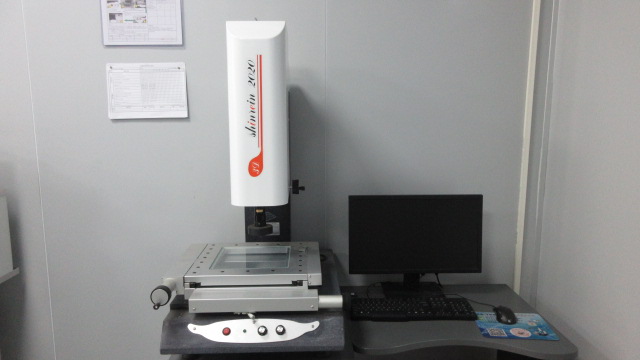
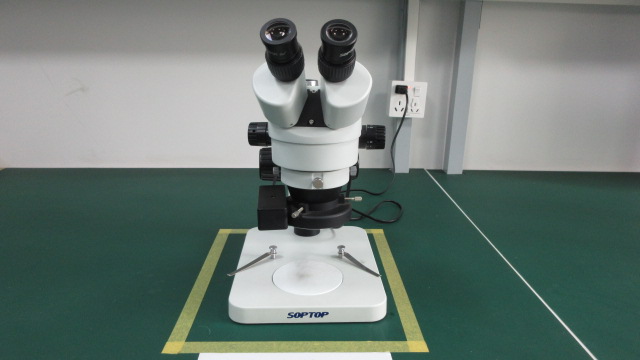
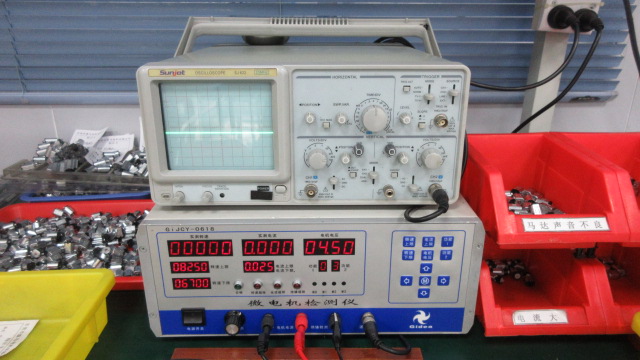
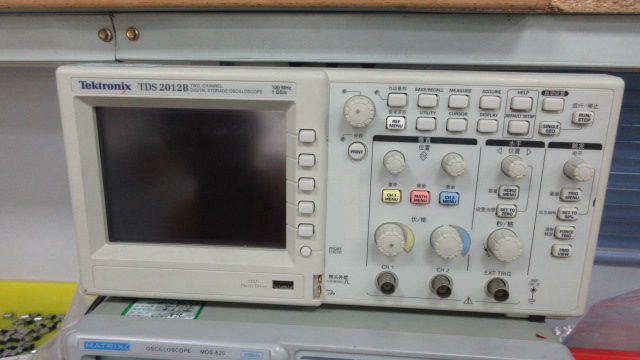
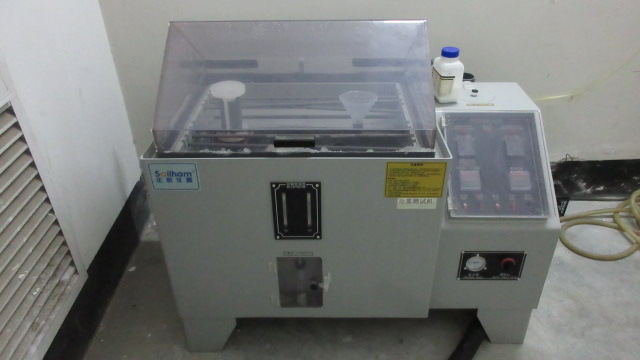
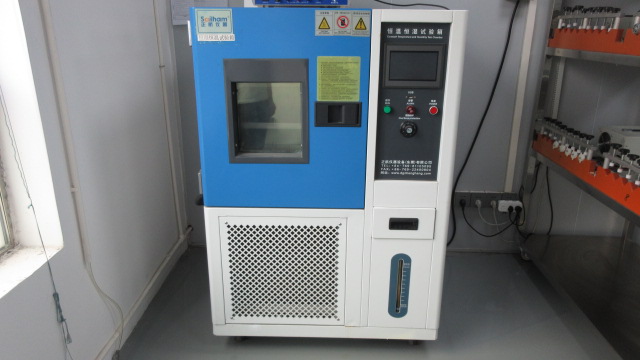
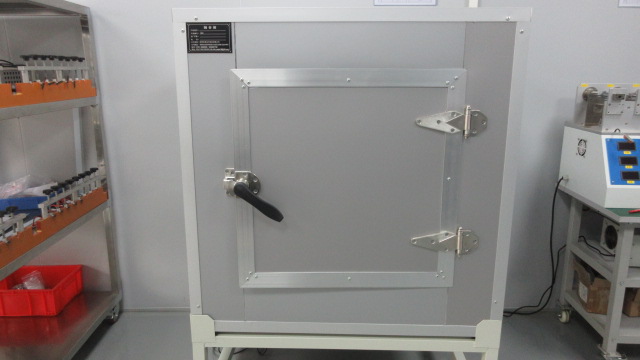
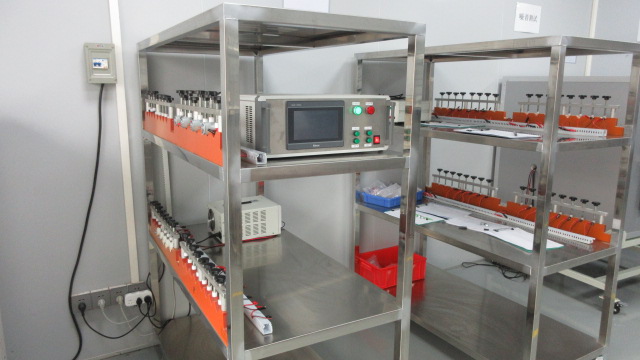
European design guidelines place a heavy premium on documented processes, batch traceability, and rigorous metrology. Our modern facilities utilize automated winding machinery, Japanese gear-hobbing systems, and state-of-the-art diagnostic suites. We ensure that every motor dispatched to Berlin complies with standard tolerances and operates exactly within nominal values.
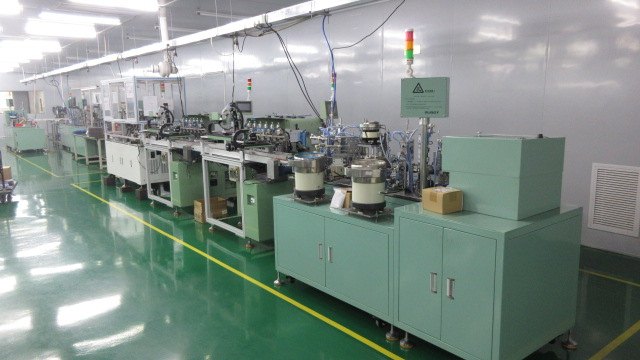
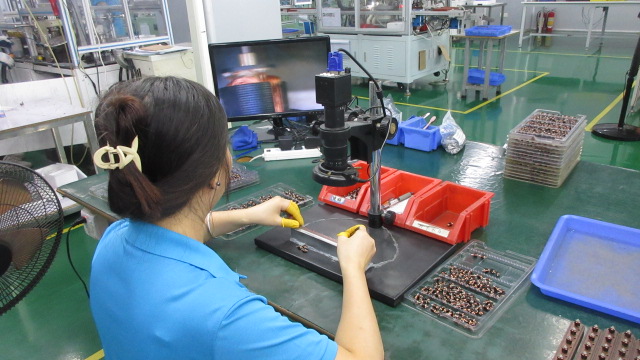
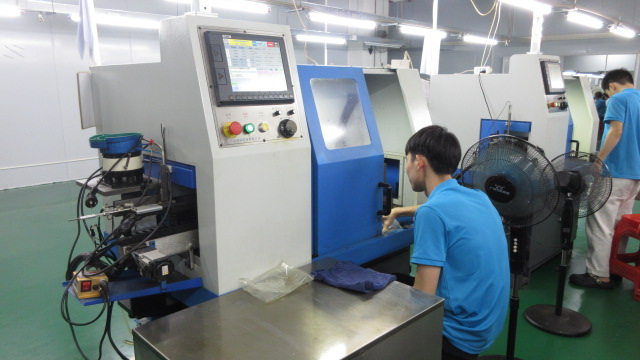
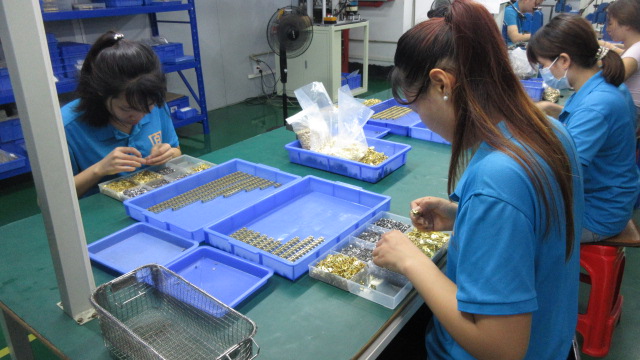
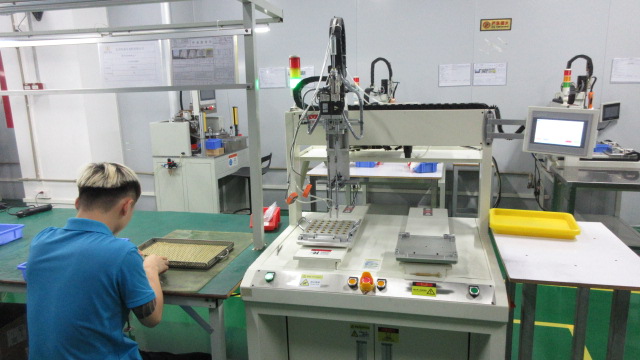
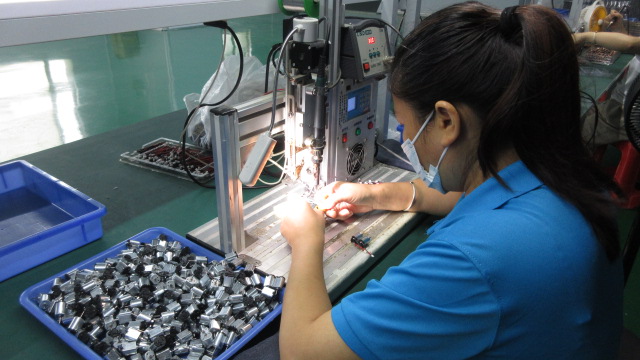
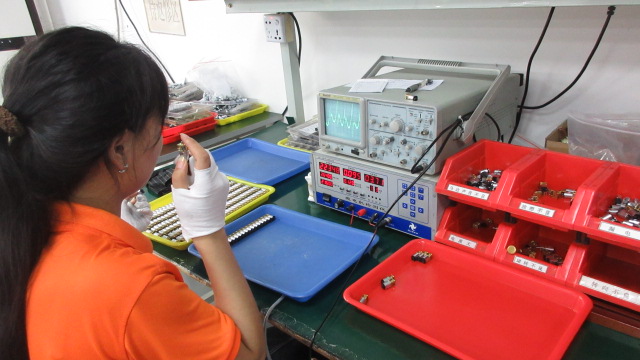
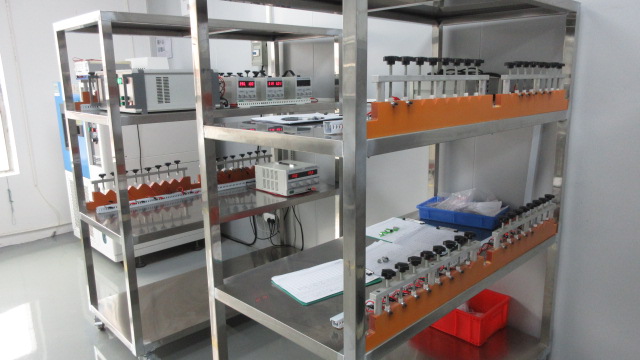
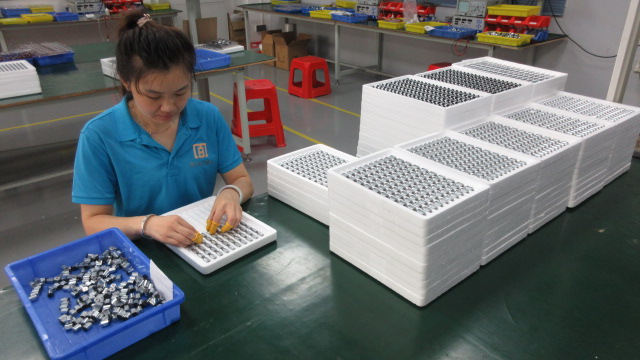
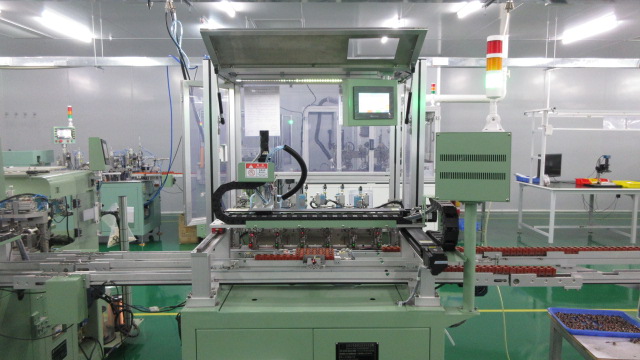
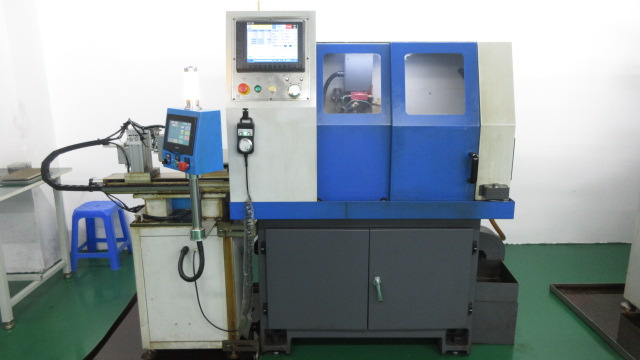
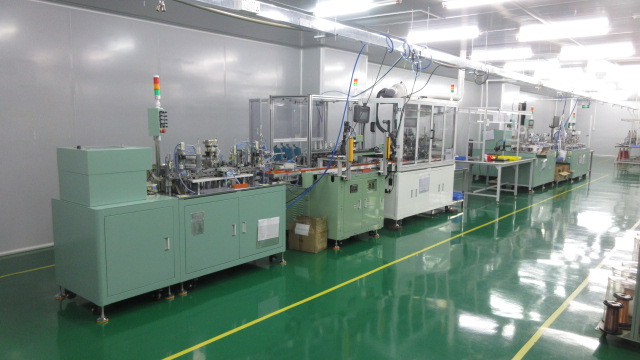
Metrology Lab & Diagnostic Equipment
We test 100% of our production runs to guarantee that values for nominal voltage, start voltage, load speed, torque, and power output fall within specified tolerances before dispatching components to our Berlin supply chains.
Compliance & Harmonized Standards for EU/German Integration
Importing electro-mechanical assemblies into the German economic area requires compliance with a robust framework of standards. Zelt Motor ensures seamless integration with localized technical standards, eliminating customs bottlenecks and compliance audits:
- RoHS & REACH Compliance: Every motor assembly is manufactured using lead-free solder processes and hazardous-substance-free materials, aligning with European Union Directive 2011/65/EU and Regulation (EC) No 1907/2006.
- CE Declaration of Conformity: Complete technical files, electrical testing logs, and CE conformity papers are provided for integration into industrial machinery.
- German Supply Chain Due Diligence Act (LkSG) Alignment: Zelt Motor maintains a high standard of ethical manufacturing, occupational safety, and environmental stewardship, satisfying audits required by tier-one German automotive and industrial buyers.
- Eco-conscious Packaging: Shipments are packed using recyclable raw materials, adhering to the German Packaging Act (VerpackG) targets.
Technical Roadmap: The Next Generation of Micro Drives (2025-2030)
As micro-electronics shrink and power delivery grids become smarter, our development labs are pushing the boundaries of physical scale and structural resilience. Our research roadmap is designed to address the future requirements of Berlin’s top robotics developers:
1. Ultra-Miniaturization (Down to 3mm Diameter)
Current micro-medical instrumentation, particularly minimally invasive surgical tools and intravascular cameras, require drives that fit inside extremely tight spaces. We are refining micro-winding methods to manufacture outer shell diameters down to 3mm, providing reliable torque without losing structural cohesion or thermal tolerance.
2. Integrated Sensor Feedback Architectures
External encoders add length and weight to motor drives. Our upcoming catalog integrates miniature magnetic Hall-effect sensor chips directly onto the commutator PCB, saving crucial physical space while maintaining precise feedback for closed-loop motion control systems.
3. High-Density Brushless Configurations
Brushed systems eventually wear out due to brush friction. By combining our coreless skew-winding configurations with brushless commutation (electronically switched), we achieve operational lifespans exceeding 10,000 hours under continuous load, satisfying demands for implantable clinical pumps and remote sensing equipment.
Comprehensive Micro Drive Catalog
Explore our full line of micro drives. These products are fully customizable with customized shafts, planetary gearboxes, encoders, and specific winding parameters to suit your Berlin-based engineering application.
Berlin Drone Series DCL-0716 (7mm 3.7V Ultra-Light Mini Drone Motor for Micro Quadcopters)
View Product Page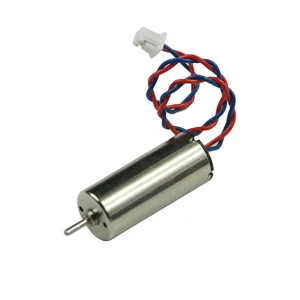
Berlin Custom Line OEM High Speed 18500rpm 10mm Diameter Micro DC Coreless Motor (3V / 4.5V Applications)
View Product Page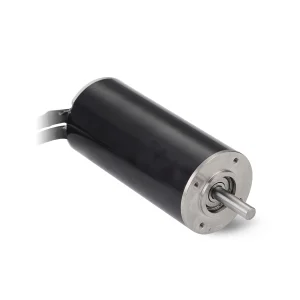
Berlin Smart Servo OEM 25000rpm 24V 28mm High Torque DC Micro Brushless Servo Motor DCL2855
View Product Page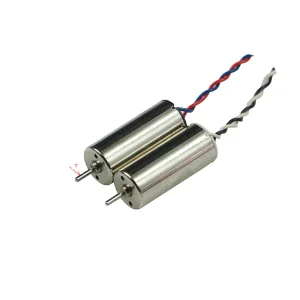
Berlin Aerospace Series 8.5mm 3V High Speed 40000rpm DC Micro Coreless Motor DCL8520 for UAVs
View Product Page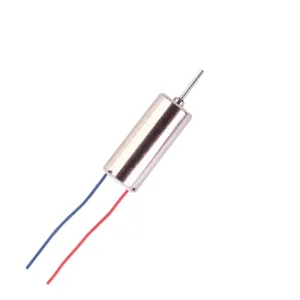
Berlin Wearables OEM 4mm High Speed 46320rpm 2.6V/3.4V/5V DC Micro Coreless Vibration Motor DCL0408
View Product Page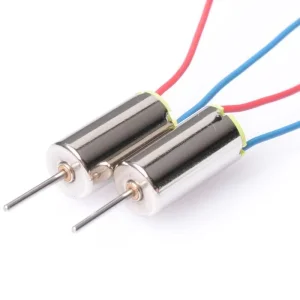
Berlin Drone Series High Speed 35000 RPM Coreless Brushed DC Motor 0614 for Toy Quadcopters
View Product Page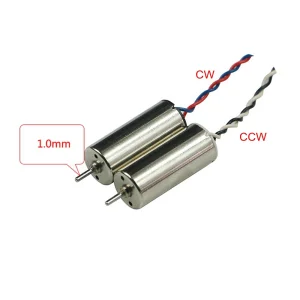
Berlin UAV Grade 8mm DC 3V-9V 50000 Rpm CW/CCW Brushed Coreless Motor for Lightweight Platforms
View Product Page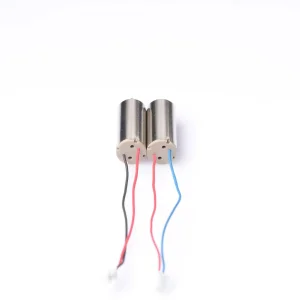
Berlin Acoustic Grade 3.7V 50000rpm Silent Coreless Motor 8520 (High-Speed Low-Noise Hollow Cup Drive)
View Product PageSpecialty Automotive & High-Power Drive Modules
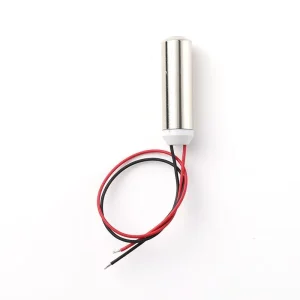
Dong Hui Waterproof Vibration Motor 0724 (Coreless Micro Vibration Motors for Adult Devices & Industrial Haptics)
View Product Page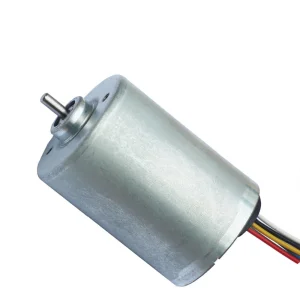
Bl3626 Bl3630 Bl3640 Bl3650 Bl3657 Series 6V-24V 36mm Brushless DC Motor for High-Torque Industrial Conveying
View Product Page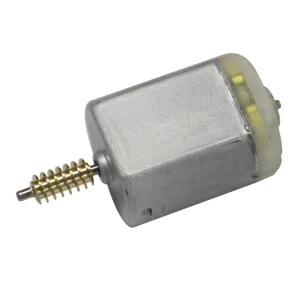
Automotive Component Factory FC-280 DC Motor for Car Fan Systems & HVAC Dampers (6V / 12V / 24V Options)
View Product Page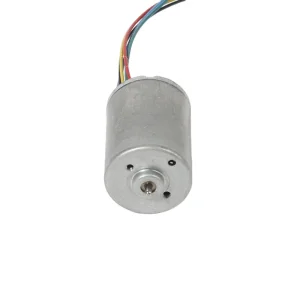
High Quality 36mm Small Brushless DC Motor 12V 24V (Integrated Speed Driver BL3650i / B3650M Series)
View Product PageFrequently Asked Technical Questions
What are the primary electrical advantages of a coreless DC motor over standard DC motors?
Coreless DC motors eliminate iron losses (eddy currents and hysteresis losses) by removing the iron core from the rotor. This leads to significantly higher efficiency (often exceeding 85%), lower power consumption, and zero cogging torque, enabling exceptionally smooth operation and faster acceleration profiles.
Can Zelt Motor customize shaft geometries and electrical parameters for specific Berlin R&D designs?
Yes. We specialize in factory-direct customizations. We can modify motor speed, torque characteristics, voltage, shaft shape (e.g., flat, round, hollow, custom lengths), integrated pinion gears, and electrical connections to seamlessly integrate with your device casing.
How do you ensure reliable quality control and durability standards?
We maintain ISO 9001:2015 certified assembly facilities. Our quality assurance pipeline includes comprehensive material testing, dynamic rotor balancing, and continuous life aging tests inside constant temperature and humidity chambers. We guarantee a reject rate of less than 0.5% for all global shipments.
What are the lead times and delivery mechanisms for Berlin and Brandenburg customers?
Standard prototyping runs typically take 2-3 weeks, while mass production orders average 4-6 weeks depending on custom configurations. We handle global B2B logistics, offering DAP/DDP air freight options directly to Berlin warehouses, including full CE/RoHS compliance paperwork for simplified customs clearance.