Zelt Motor
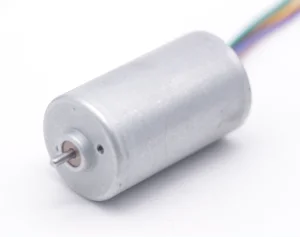
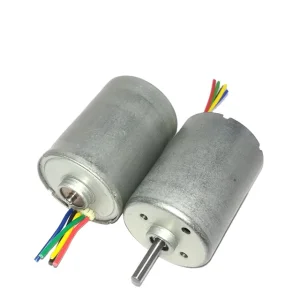
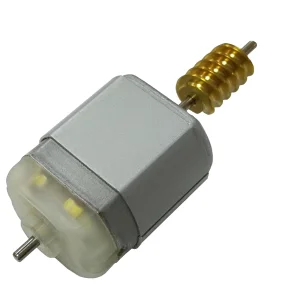
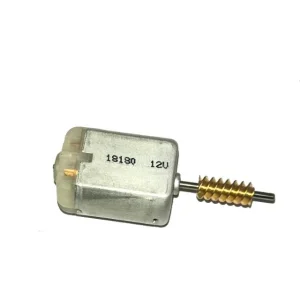
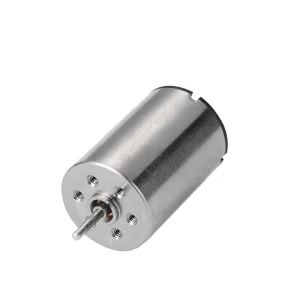
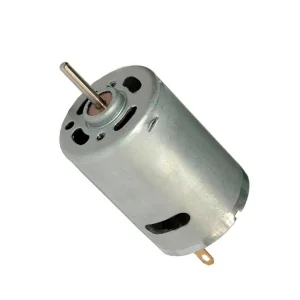
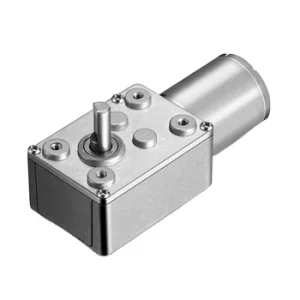
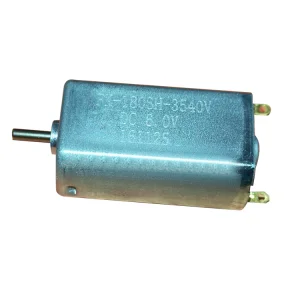
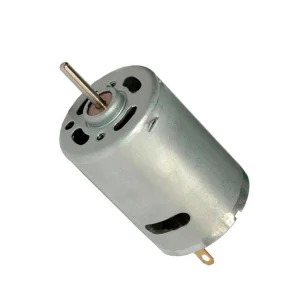
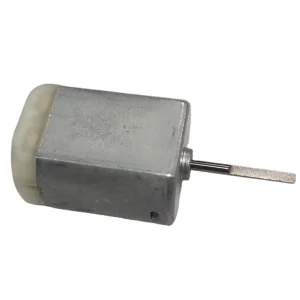
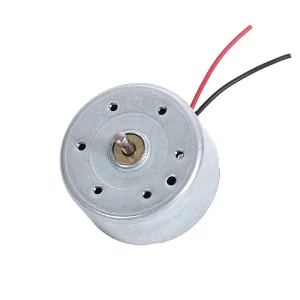
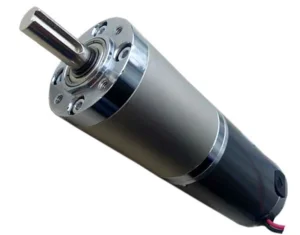
Featured Miniature Drive Solutions (Coreless & Brush Series)
Engineered for precise feedback control, active lens focus, and robotic movement systems within aerospace, consumer electronics, and automotive actuation.
Bridging Advanced Manufacturing with Global Engineering Criteria
Looking for a reliable, direct-from-source manufacturer to secure your miniature motor supply chain? Zelt Motor is built to bridge the gap between Chinese manufacturing efficiency and global engineering standards.
We eliminate middlemen to deliver high-torque, industrial-grade micro drives straight from our manufacturing floors to your global warehouse. Leveraging over two decades of design expertise, we specialize in high-efficiency coreless, ironless, brushless, and stepper actuator units that drive modern VR head-mounted displays (HMDs), feedback gloves, tactile suits, and optical adjustments.
Why Global OEMs Partner with Zelt Motor:
- 20+ Years of Industry Heritage: Deep manufacturing expertise providing mature, stable, and repeatable production quality.
- 100% Tailored Customization: Rapid prototyping services that quickly modify speed, torque, voltage, shaft shapes, and integrated electronics to match your exact device enclosure.
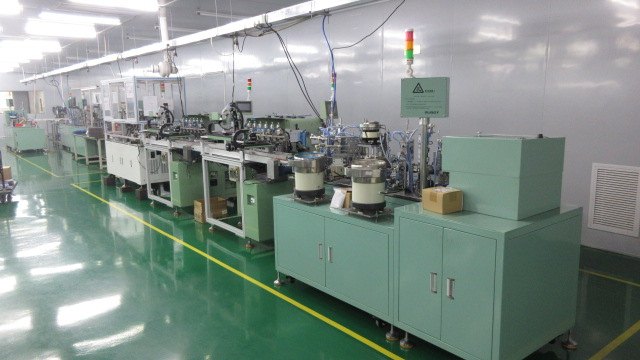
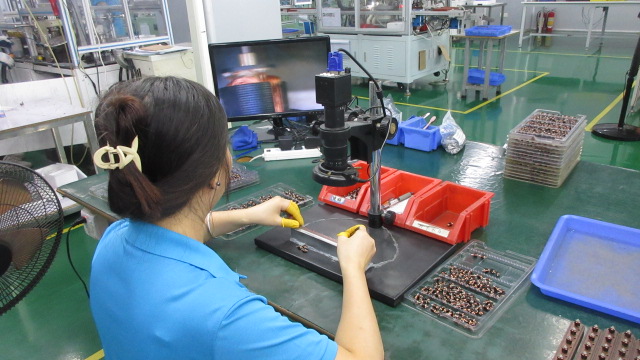
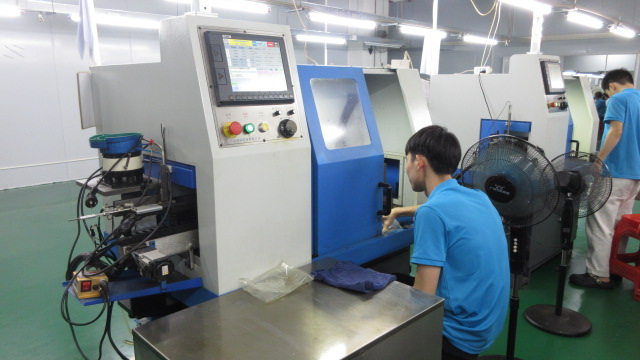
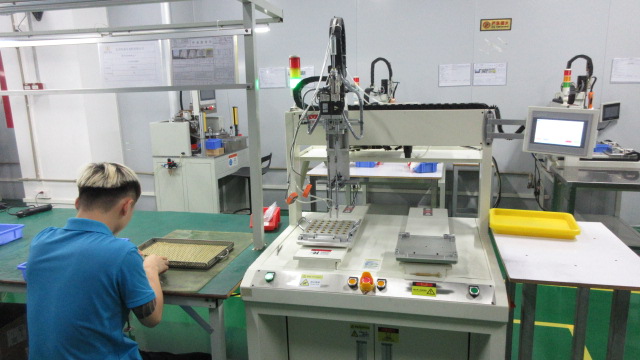
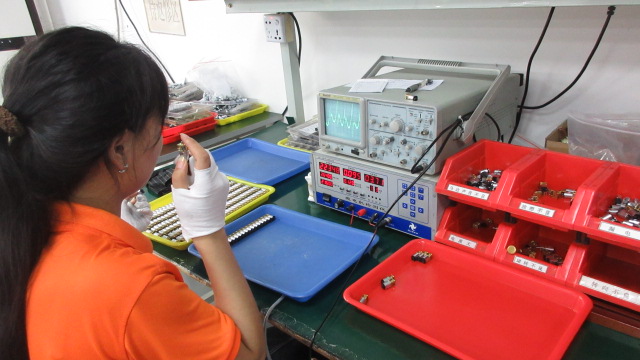
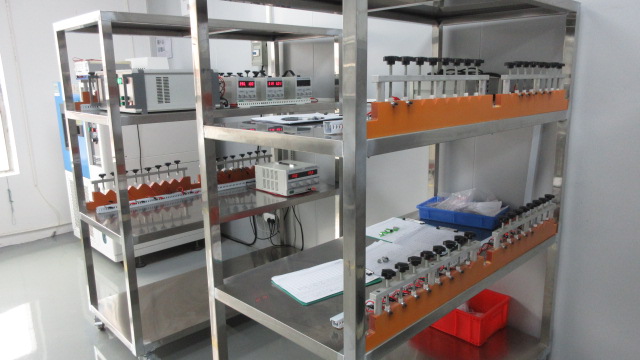
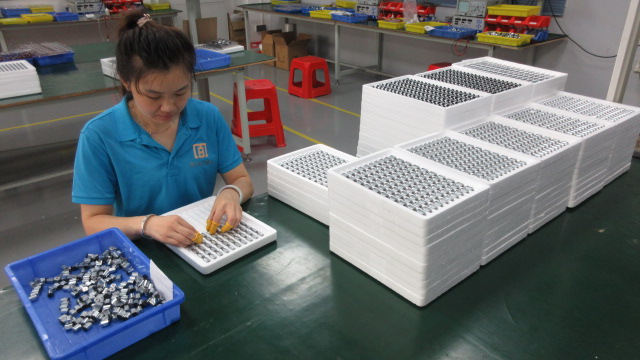
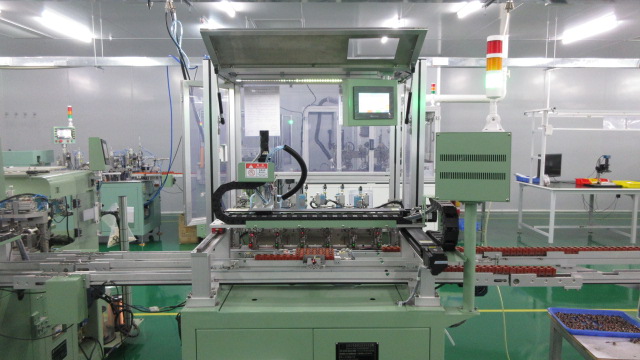
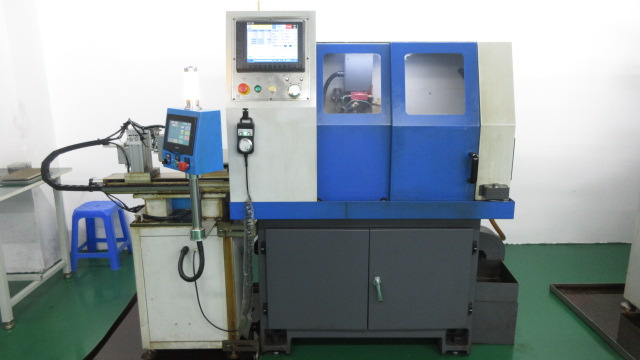
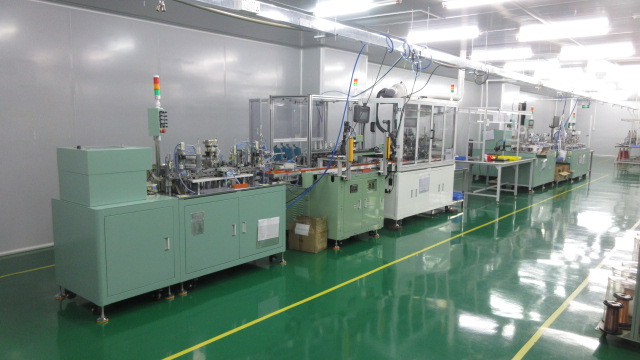
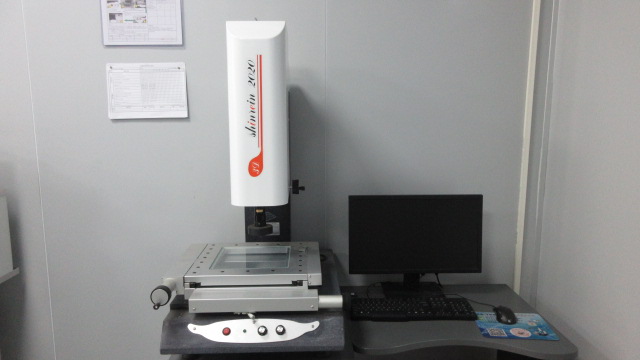
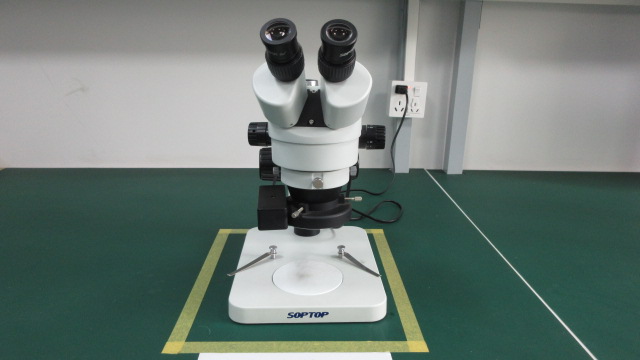
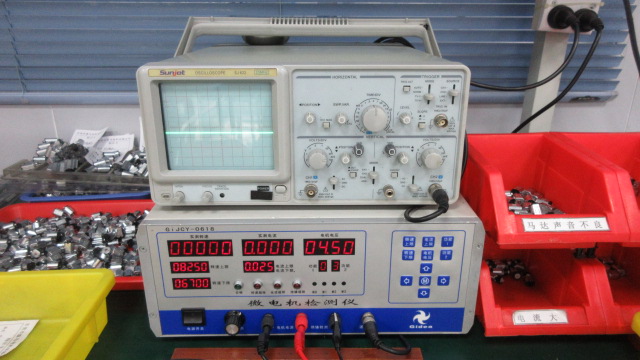
- Uncompromising Quality Control: Modern automated assembly lines paired with rigorous testing environments ensuring micrometer-level accuracy and zero-defect delivery.
- Seamless B2B Integration: Factory-direct communication, transparent lead times, and dedicated English-speaking technical support for hassle-free global collaboration.
Global Commercial & Industrial Landscape of VR Motors
The explosion of Spatial Computing, Extended Reality (XR), and high-fidelity simulated environments has shifted the requirements for micro-motors from simple, coarse vibrational feedback to highly structured, low-latency, and sub-millimeter tactile and mechanical responses.
High-Definition Haptics
Modern virtual reality interfaces demand localized, high-resolution haptic feedback. Traditional Eccentric Rotating Mass (ERM) motors are giving way to Linear Resonant Actuators (LRAs) and Coreless DC motors. These motors deliver immediate start-stop actions, simulating subtle sensations such as textures, water droplets, or distinct structural impacts.
Dynamic Interpupillary Distance (IPD)
To combat eye strain and motion sickness, VR headsets increasingly integrate automated, motorized IPD systems. Miniature stepper motors and micro-gearboxes adjust lenses in real-time, matching the user's measured eye profile. This adjustment occurs silently and within tolerances under 0.1 mm.
Varifocal Optical Modules
Next-generation hardware dynamically shifts focal planes based on eye-tracking coordinates. To transition seamlessly between near-field reading and far-field looking, optical assemblies rely on ultra-fast, high-precision coreless voice-coil actuators or micro screw-threaded brushless motors.
Motor Architectures in XR Applications: A Comparative Analysis
Choosing the correct technical roadmap depends heavily on power constraints, space limits, and response rate requirements. The table below illustrates the trade-offs of key motor configurations deployed in commercial headsets and controllers.
| Motor Type | Primary VR Application | Start/Stop Latency | Torque/Force Density | Operational Lifetime (Hrs) | Key OEM Customization Metric |
|---|---|---|---|---|---|
| Micro Coreless (DC) | Controller Trigger Feedback, Haptic Gloves | < 8 ms | Very High | 3,000 - 5,000 | Custom Shafts, Winding Resistance |
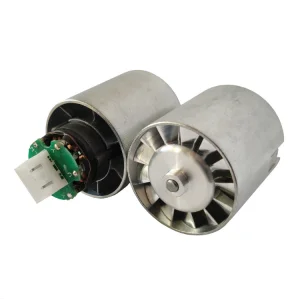
| Brushless DC (BLDC) | Active cooling fans, Haptic force-feedback actuators | < 5 ms | Excellent | 15,000+ | Encoder integration, Driver ICs |
| Linear Resonant (LRA) | Headset band vibrations, light-controller tap alerts | < 15 ms | Moderate | 10,000+ | Resonant Frequency Matching |
| Micro Stepper Motors | Automated IPD Adjustment, Lens Shifting | < 10 ms | Extremely High Positioning | 8,000+ | Leadscrew Pitch, Gear Ratio |
Technical Roadmap & Future Outlook
As virtual reality experiences transition to mixed reality (MR) and extended reality (XR), the demands placed on motor technology will continue to advance. Our technical roadmap focuses on addressing three key physical challenges: volume reduction, magnetic field isolation, and energy conservation.
Phase 1: Sub-10mm Miniaturization
Reducing the physical profile of high-torque coreless motors to sub-8mm diameters to fit inside compact VR controllers and thin haptic gloves without compromising output power.
Phase 2: Quiet Electromagnetic Shielding
Developing specialized shielding cages to prevent electromagnetic interference (EMI) from disrupting internal eye-tracking cameras and delicate IMU sensors.
Phase 3: Smart Closed-Loop Drives
Integrating ultra-compact magnetic encoders and drive controllers directly into the motor end-bell, reducing wiring complexity and improving feedback response.
Macro Industry Solutions Powered by Zelt Motors
Our engineering capabilities extend beyond components. We deliver system-level solutions tailored to meet the challenges of diverse industries using virtual and mixed reality technologies.
Medical VR Training Systems
Virtual surgical systems require physical resistance feedback to simulate bone drilling, incision depth, and needle insertions. Our micro coreless motors with planetary gearboxes deliver variable force feedback, allowing medical interns to feel life-like physical reactions.
Industrial & Flight Simulation
Commercial pilot training and industrial machinery operations demand durable controls. Our heavy-duty DC brush and brushless systems run cooling setups and provide tactile kickback, remaining reliable through extended, continuous operation.
Haptic Interfaces & Robotics
Teleoperated robotic arms and haptic gloves use our micro motors to transfer physical grip data back to operators. This enables precise remote manipulation of hazardous waste, underwater pipelines, or delicate machinery components.
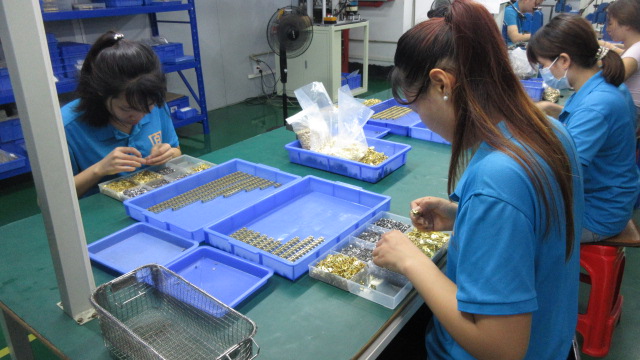
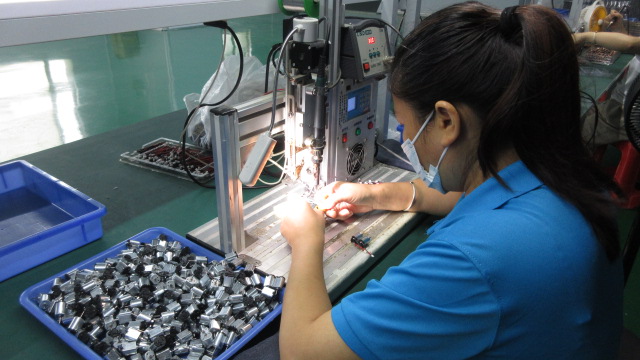
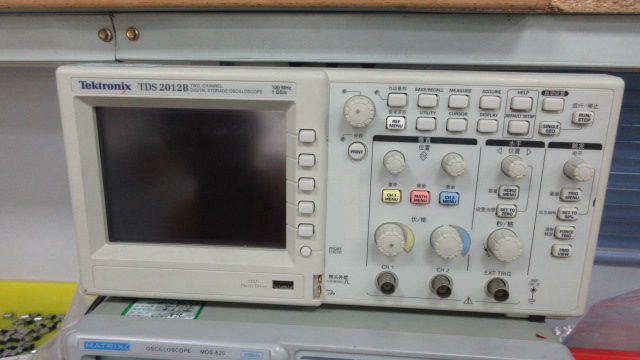
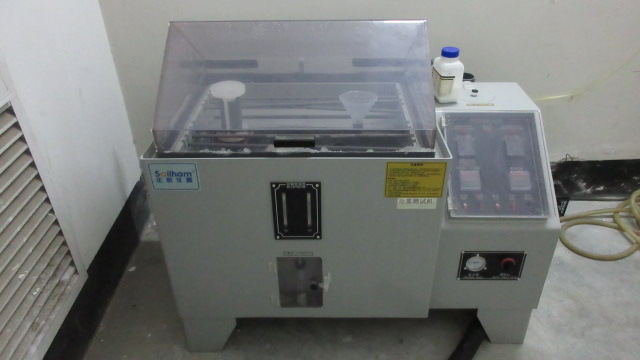
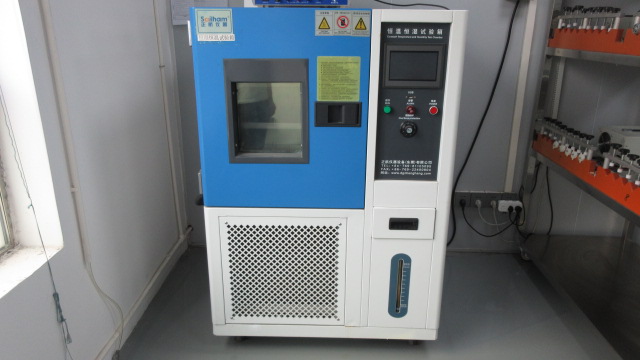
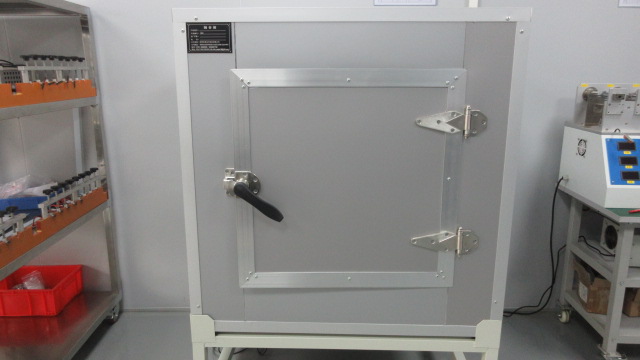
State-of-the-Art Factory Floor & Laboratory
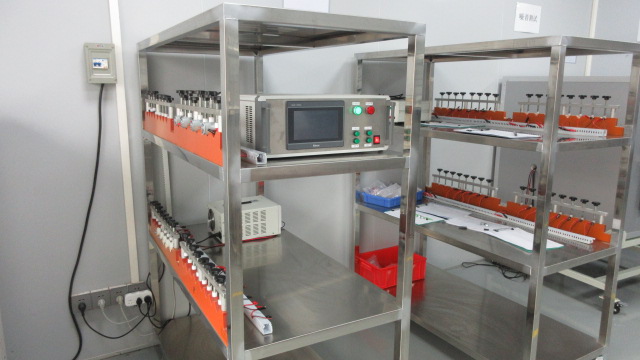
Our ISO 9001:2015 and IATF 16949 certified facility utilizes automated production lines and comprehensive testing labs to ensure stable product performance and quality.
Frequently Asked Questions
Answers to technical and commercial questions about Zelt Motor's micro-drive designs, production logistics, and OEM/ODM capabilities.
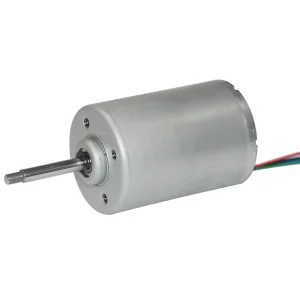
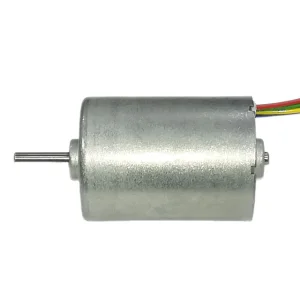
High-Speed Brushless & Special Actuators
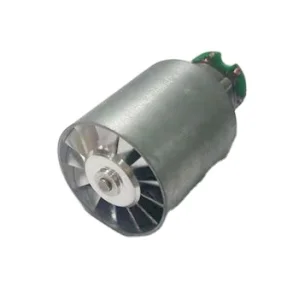
Brushless DC (BLDC) motors, automotive lock assemblies, and high-speed turbine drives designed for reliable operation in demanding environments.