Zelt Motor
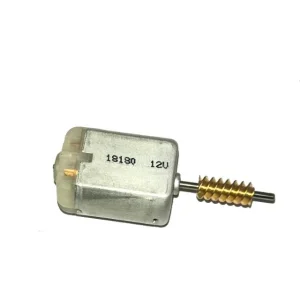
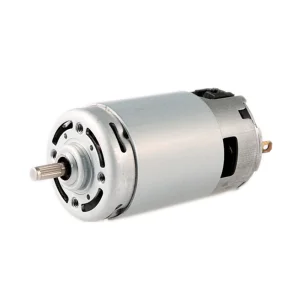
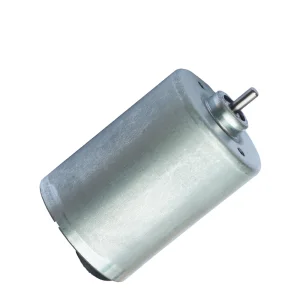
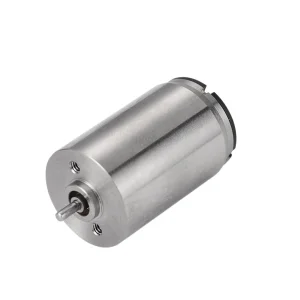
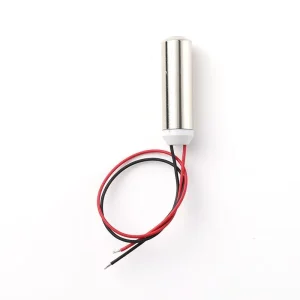
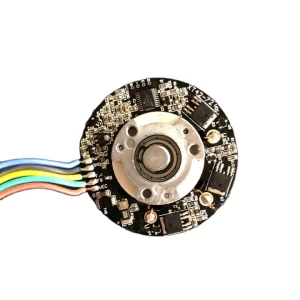
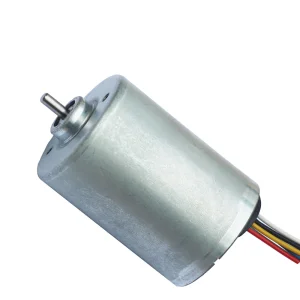
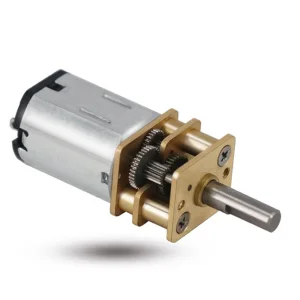
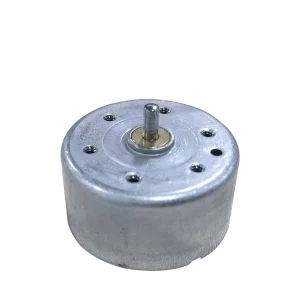
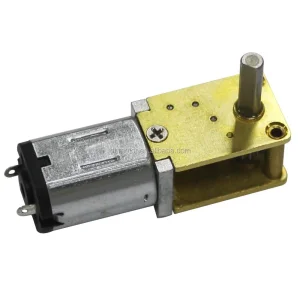
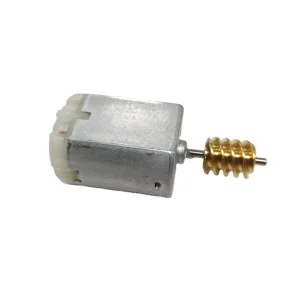
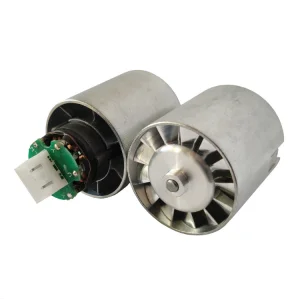
Featured Miniature Rotational Motors (Series I)
Engineered for absolute reliability, optimized power density, and micro-precision mechanics
Section 1: The Physics of High-Performance Rotational Motors
Analyzing electromagnetic configurations, torque density, and mechanical reliability thresholds
Rotational motors represent the cornerstone of modern industrial automation, robotics, consumer electronics, and automotive actuation. Structurally, these electromagnetic systems convert electrical energy into mechanical torque through the interaction of magnetic fields and current-carrying conductors. However, when designing next-generation systems, engineers must navigate complex mechanical trade-offs between Brushed DC, Brushless DC (BLDC), Coreless, and Stepper configurations.
The core governing physics of these devices rely on Lorentz Force Law and Faraday's Law of Induction. When operating within high-duty cycle applications, factors such as rotor inertia, heat dissipation, and brush commutation wear play a critical role in determining overall system longevity. Brushed DC motors rely on mechanical brushes and commutators to toggle the current direction in the rotor windings, making them cost-effective and structurally simple. Unfortunately, mechanical friction limits their operational lifespan to roughly 1,000 to 3,000 hours under standard loads.
Conversely, Brushless DC (BLDC) motors migrate commutation to external electronic controllers, utilizing hall sensors or back-EMF feedback loops. This increases the operational ceiling up to 20,000+ hours, limited primarily by ball-bearing wear. The absence of brushes eliminates mechanical friction, electrical sparking, and acoustic noise, making BLDC motors the industry standard for high-performance applications like UAVs, high-efficiency appliances, and medical instrumentation.
Engineering Insight: Coreless vs. Iron-Core Rotational Dynamics
Coreless DC motors replace the slotted iron rotor core with a self-supporting, basket-wound copper coil. This completely eliminates "cogging torque" (magnetic detent torque), resulting in smooth, vibration-free rotation, ultra-low rotor inertia, and exceptional acceleration profiles suitable for precision medical pumps and optical positioning systems.
Section 2: Tactical Advantages of Chinese Manufacturing Hubs
Decoding the supply chain integration, raw material availability, and rapid customization cycles
Selecting the ideal rotational motor factory requires evaluating geographic manufacturing ecosystems. In the global B2B sourcing landscape, China has transitioned from a high-volume assembly center to a high-precision, R&D-driven engineering hub. This evolution is driven by several key factors that yield significant cost and speed advantages for global OEMs.
1. Rare Earth Magnet Supply Chain Integration
China refines over 85% of the world's Neodymium-Iron-Boron (NdFeB) magnets, which are critical for manufacturing high-flux permanent magnet motors. By sourcing directly from Chinese manufacturing clusters in Guangdong and Zhejiang, factories eliminate import tariffs and inter-continental transit costs on raw magnetic components. This provides local motor manufacturers with a direct 15% to 30% BOM (Bill of Materials) advantage over Western competitors.
2. Unparalleled Agile Prototyping & Customization Cycles
Modifying a motor shaft, altering custom winding configurations, or integrating a custom gearhead requires close engineering cooperation. Chinese factories possess extensive, local CNC machining, mold manufacturing, and rapid prototyping ecosystems. In Western regions, receiving a customized stator or housing mock-up can require 6 to 8 weeks. Chinese manufacturers can complete the design-to-prototype cycle in less than 15 working days, allowing OEMs to dramatically compress their time-to-market.
Section 3: Zelt Motor's Industrial Sourcing Blueprint
Bridging the gap between Chinese manufacturing efficiency and global engineering standards
Looking for a reliable, direct-from-source manufacturer to secure your miniature motor supply chain? Zelt Motor is built to bridge the gap between Chinese manufacturing efficiency and global engineering standards. We eliminate middlemen to deliver high-torque, industrial-grade micro drives straight from our manufacturing floors to your global warehouse.
Why Leading Global OEMs Partner with Zelt Motor Micromotor:
- 20+ Years of Industry Heritage: Deep manufacturing expertise providing mature, stable, and repeatable production quality.
- 100% Tailored Customization: Rapid prototyping services that quickly modify speed, torque, voltage, shaft shapes, and integrated electronics to match your exact device enclosure.
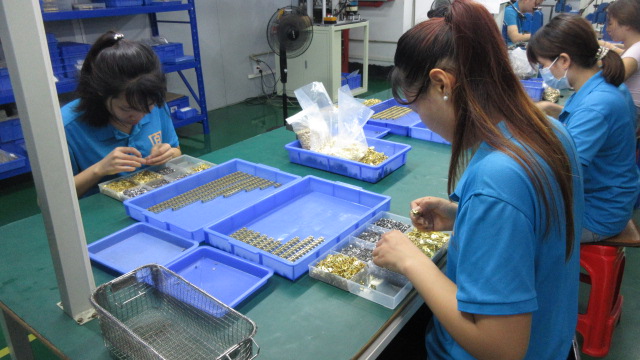
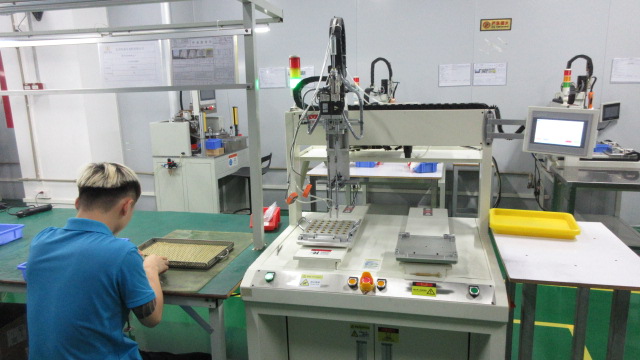
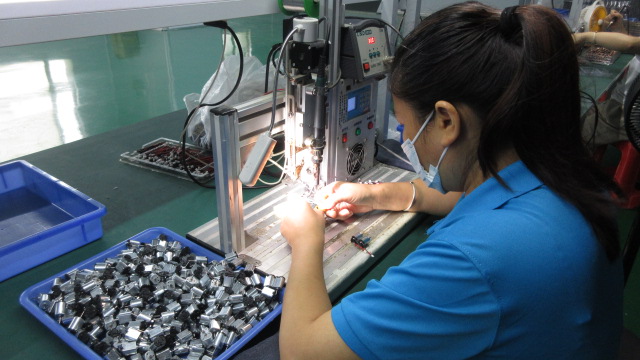
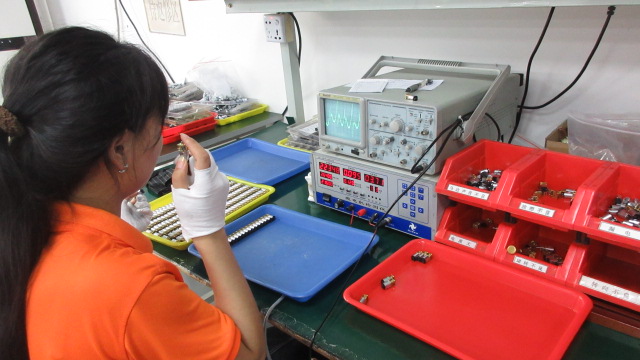
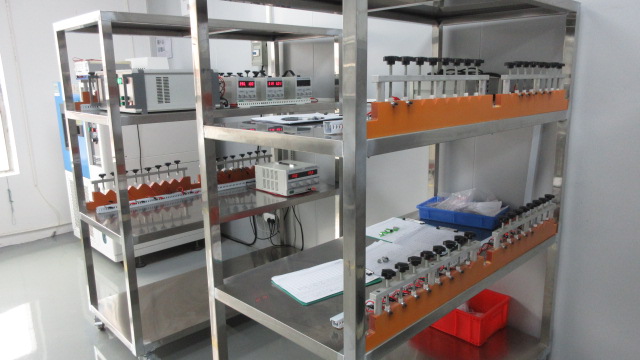
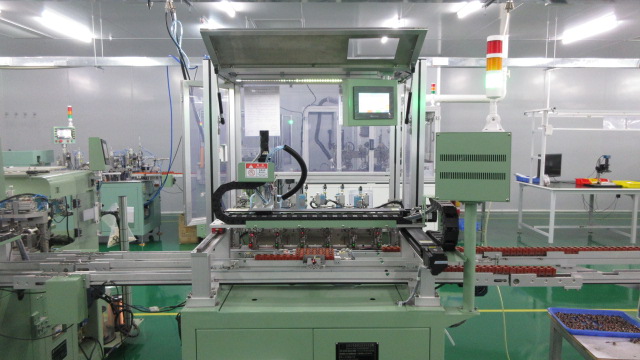
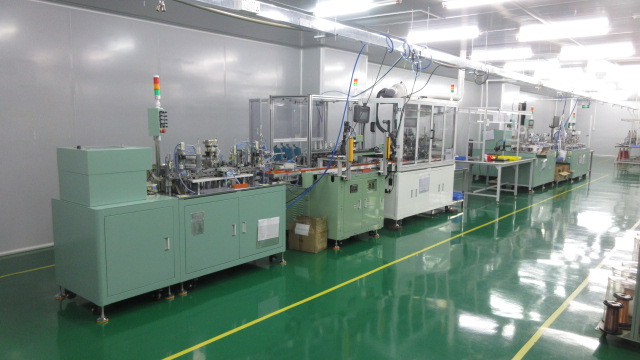
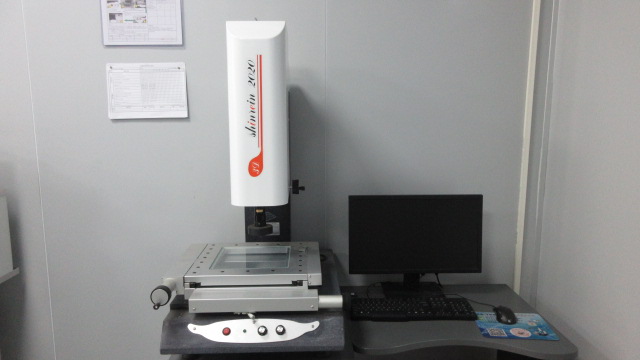
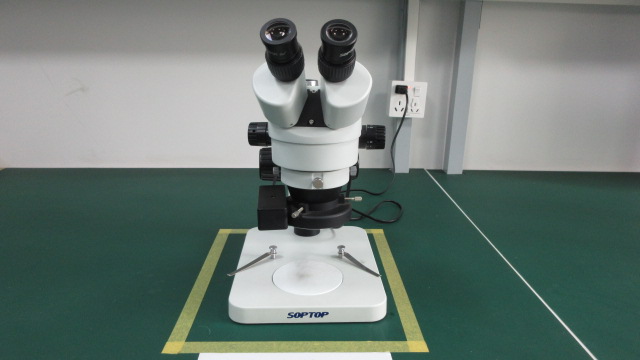
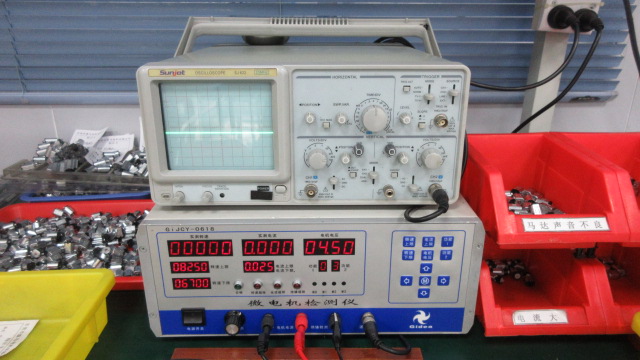
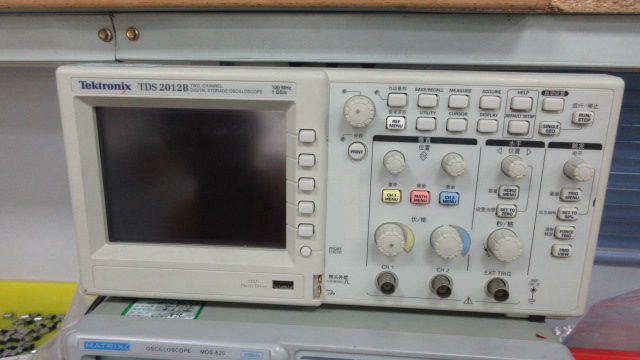
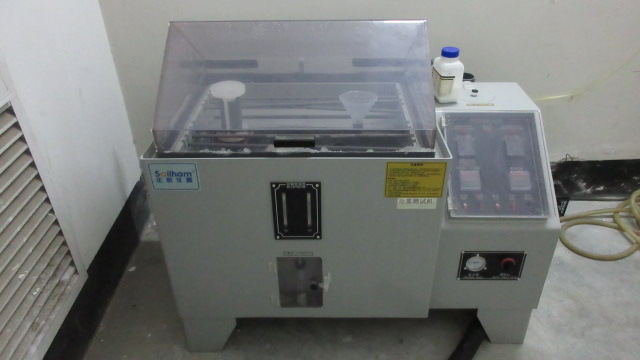
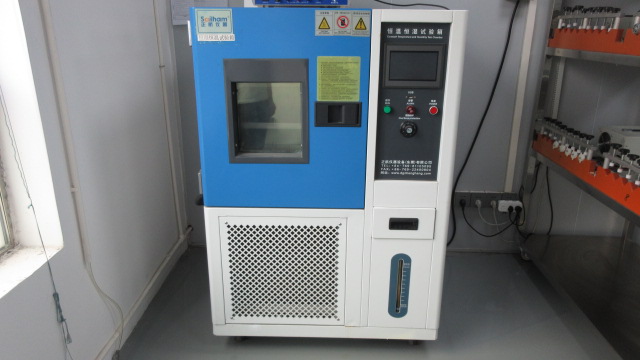
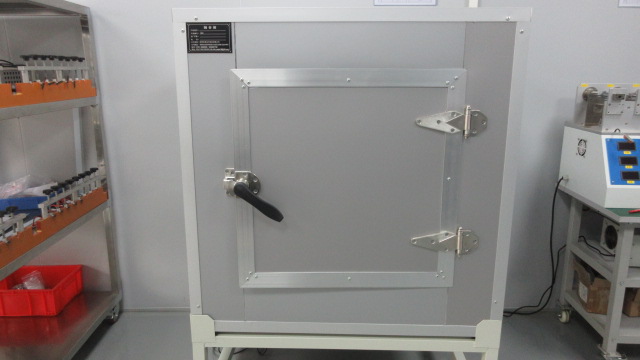
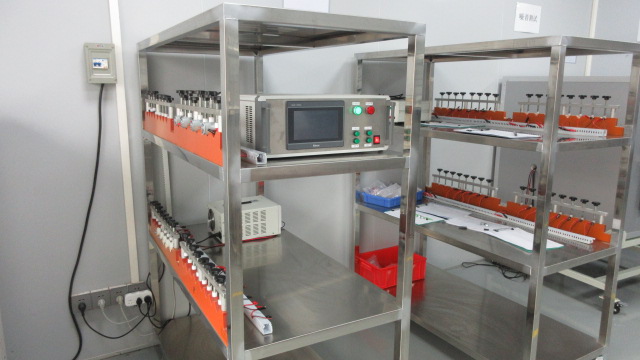
- Uncompromising Quality Control: Modern automated assembly lines paired with rigorous testing environments ensuring micrometer-level accuracy and zero-defect delivery.
- Seamless B2B Integration: Factory-direct communication, transparent lead times, and dedicated English-speaking technical support for hassle-free global collaboration.
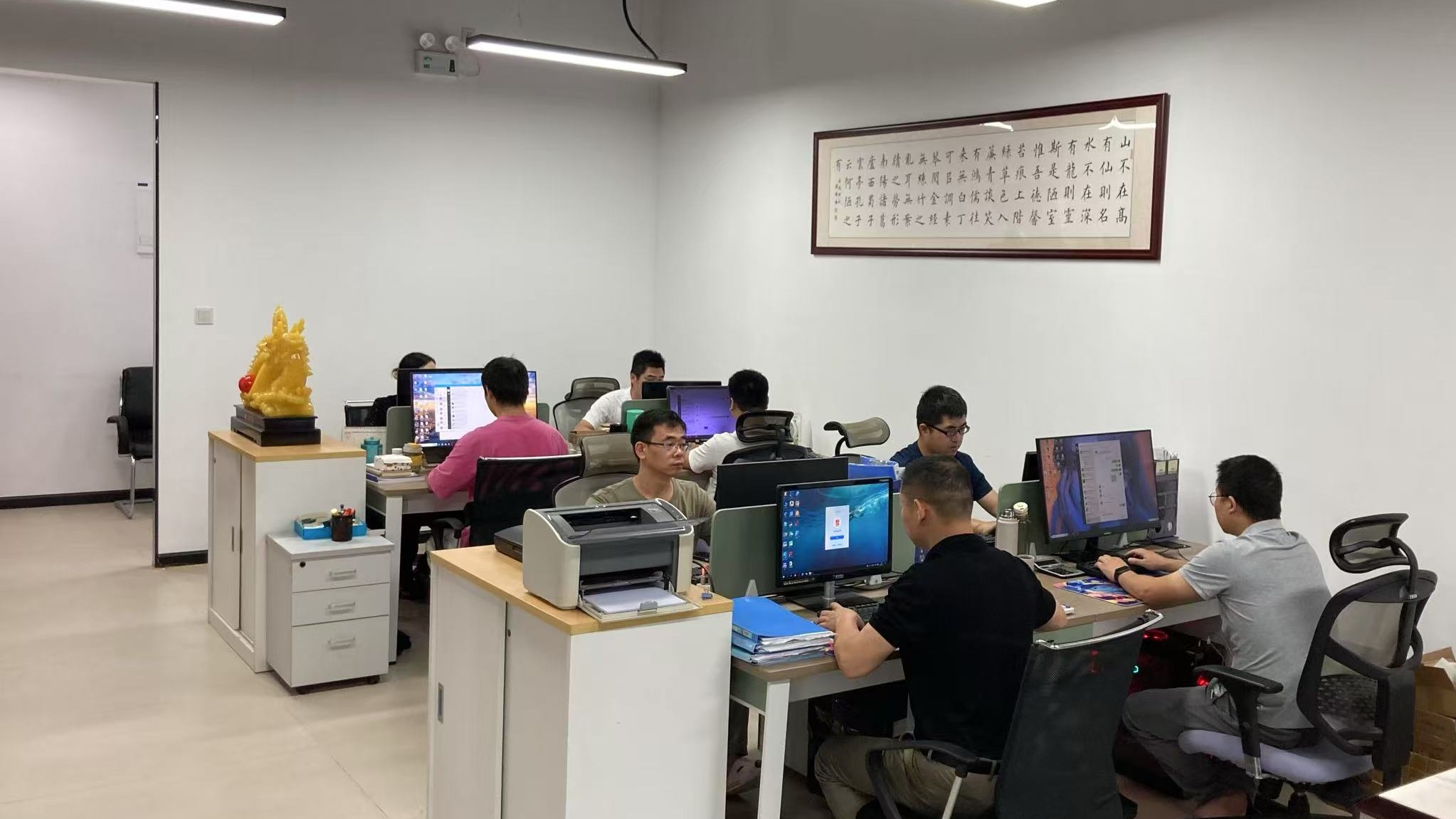
Section 4: Inside the Factory Floor
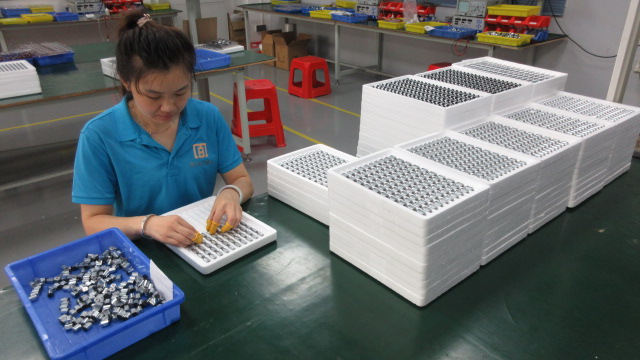
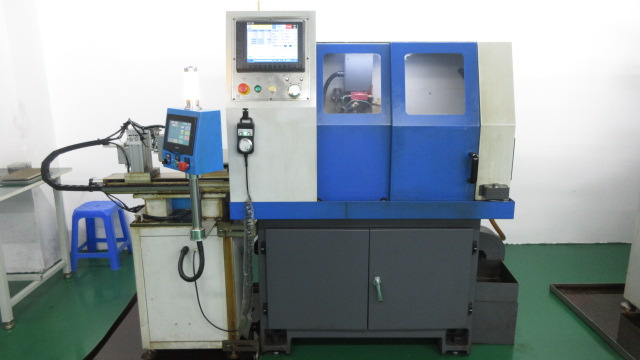
Visualizing our step-by-step automated production and quality assurance operations
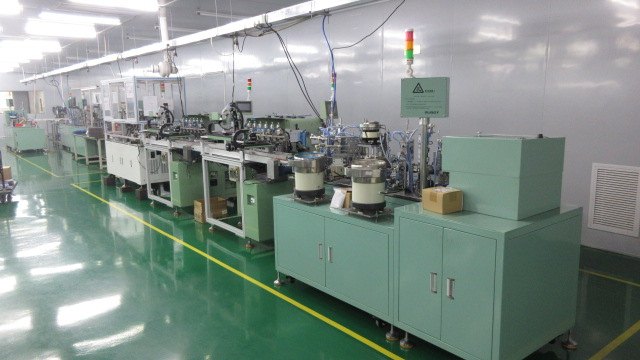
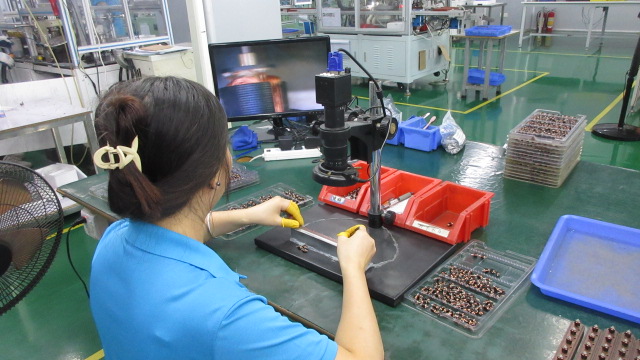
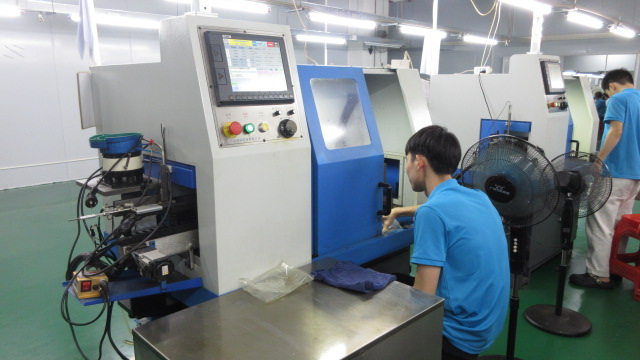
Section 5: Macro Industry Solutions & Application Topographies
How high-torque micro rotational motors drive real-world commercial hardware systems
Rotational motors function as critical components across a diverse range of industries. Below, we examine the specific performance challenges, environmental factors, and engineering standards for each key market sector.
1. Automotive Subsystems & Actuation
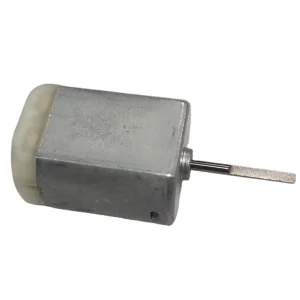
Modern vehicles contain over 100 micro-motors distributed across central locking actuators, electronic power windows, seat adjusters, and electronic parking brakes. In these environments, reliability is non-negotiable. Motors like the FC280 series must withstand temperature ranges from -40°C to +85°C, high vibration levels, and up to 100,000 duty cycles. These systems rely on specialized brush compositions and custom gearboxes to deliver peak stall-torque while keeping current draw low.
2. High-Performance Household Appliances
From smart kitchen blenders to personal care electronics like high-speed brushless hair dryers, home appliances require high power output in compact designs. Brushless AC/DC motors operating at speeds up to 100,000 RPM must maintain precise thermal control and run quietly. Using advanced dynamic balancing processes for rotors prevents high-frequency vibrations, which helps reduce acoustic noise to less than 55dB.
3. Medical Instruments & Personal Wellness Tech
Precision medical pumps, dental tools, and wearable massagers require highly responsive and compact motor designs. Miniature vibration and coreless BLDC motors are designed to run smoothly at low voltages while maintaining a small footprint. For personal wellness applications, features like IP67/IP68 waterproofing protect components from moisture and sterilization routines, ensuring long-term durability.
Section 6: Technical Configurations Matrix
Compare performance metrics, lifespans, and typical applications across common motor types
| Motor Topology | Nominal Voltage (V) | Speed Range (RPM) | Lifespan (Hours) | Key Strengths | Typical B2B Applications |
|---|---|---|---|---|---|
| Brushed DC (FC-280 / RF-300) | 1.5V - 24V | 1,500 - 15,000 | 1,000 - 3,000 | Cost-effective, simple drive circuit | Automotive door locks, DVD players, toys |
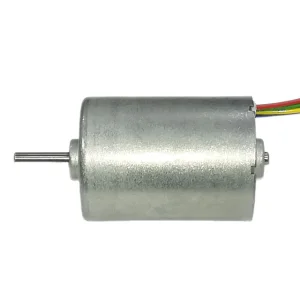
| Brushless DC (BL2838) | 12V - 36V | 3,000 - 20,000 | 15,000 - 25,000 | High reliability, low EMI, low noise | Electric boats, ventilation pumps, robots |
| Ultra-Speed BLDC (29mm Hairdryer) | 110V - 230V | 80,000 - 110,000 | 10,000+ | Extremely high RPM, compact design | Professional hair dryers, air purifiers |
| Coreless DC Vibration (0612 / 0724) | 1.5V - 6V | 5,000 - 12,000 | 500 - 2,000 | No cogging torque, rapid acceleration | Haptic feedback, medical instruments, adult toys |
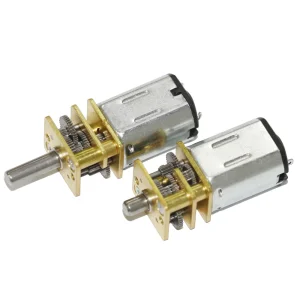
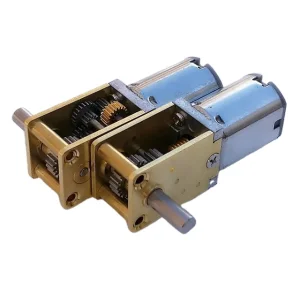
| Micro Gear Motor (N20 Series) | 3V - 12V | 10 - 500 (Geared) | 2,000 - 5,000 | High output torque, slow precision speed | Smart locks, robotic joints, security cameras |
Section 7: Technological Evolution & Industry Trends
Key design developments transforming the rotational motor market over the next decade
The global rotational motor industry is evolving rapidly, driven by automation, electrification, and IoT integration. Three key trends are currently shaping the future of micro-motor manufacturing:
1. Sensorless Field-Oriented Control (FOC) Integration
Traditionally, brushless motors required hall sensors to determine rotor position, which added wiring complexity and potential failure points. Modern systems increasingly rely on sensorless Field-Oriented Control (FOC) algorithms. By monitoring stator current feedback, controllers calculate the precise rotor position, reducing material costs and improving system reliability in harsh environments.
2. High-Precision Structural Downsizing
As wearable medical devices, micro-robotics, and consumer electronics shrink, there is growing demand for sub-10mm diameter motors. Achieving these compact form factors requires specialized winding patterns and micro-machined shafts that can maintain precise concentricity tolerances within a few microns.
3. Sustainable and Energy-Efficient Designs
With global regulations pushing for lower standby power consumption, manufacturers are optimizing stator core designs to minimize eddy current losses. Applying high-performance silicon steel laminations and ultra-fine insulated copper windings helps maximize efficiency, allowing systems to run cooler and meet strict eco-design standards.
Section 8: Global B2B Procurement & Risk Mitigation Framework
Essential sourcing strategies for qualifying rotational motor factories and maintaining quality standards
Sourcing electromagnetic motors at scale requires balancing unit costs with quality and supply chain stability. For procurement managers, establishing a structured factory qualification framework is critical to mitigating risk.
- Verify Automation Levels: Consistency in winding and dynamic balancing is key to motor quality. Evaluate whether the factory uses automated CNC winding machines and computerized balancing rigs rather than relying on manual assembly.
- Ensure Environmental Compliance: Verify that the manufacturer holds ISO 9001, CE, RoHS, and REACH certifications. For automotive components, IATF 16949 compliance is typically required.
- Establish Clear Customization Terms: Define electrical tolerances (e.g., speed variations within ±10%) and mechanical tolerances (e.g., shaft runout within 0.02mm) before signing production agreements.
Procurement Checklist: Dynamic Balancing and Testing
Reliable motor performance starts with rigorous testing. Ensure your partner factory utilizes Coordinate Measuring Machines (CMM) and DC Motor Comprehensive Testers, and performs extensive life aging routines on every batch prior to shipment.
Section 9: Industrial Sourcing Q&A
Frequently asked technical and commercial questions from global B2B procurement managers
Featured Miniature Rotational Motors (Series II)
Explore our specialized, high-performance micro-motor lines