Zelt Motor
Featured Precision Motor Collection — Part I
Engineered to micrometer tolerance levels for automotive mechanisms, household appliances, aerospace systems, and custom gear drives.
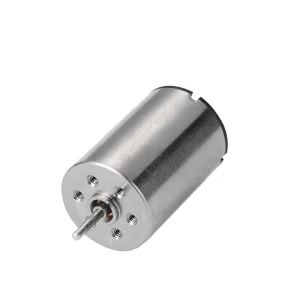
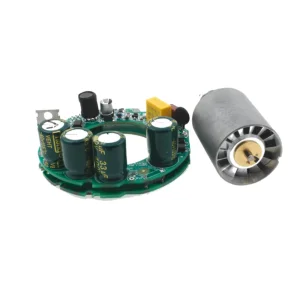
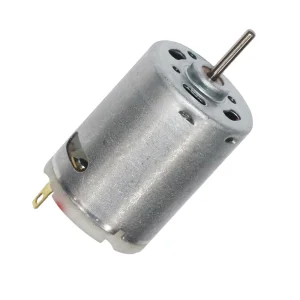
1. The Global Landscape of Precision Motion Control & Miniature Drives
In modern industrial automation, automotive engineering, and consumer systems, the demand for compact, efficient, and precise actuation has undergone a paradigm shift. Precision drive motors constitute the fundamental kinetic core of advanced engineering. Whether looking at the deployment of coreless servo drives in delicate robotic surgical units or high-speed brushless DC (BLDC) motors achieving 100,000 RPM in personal care products, micro drives dictate the boundaries of dynamic physical performance.
As global manufacturers seek to navigate rising material costs, complex global tariffs, and the imperative for absolute reliability, partnership with specialized factories in China has become a cornerstone of supply chain efficiency. Chinese manufacturers, historically recognized for high-volume execution, have evolved into design powerhouses that drive technological innovation, material science breakthroughs, and automated assembly solutions.
"Looking for a reliable, direct-from-source manufacturer to secure your miniature motor supply chain? Zelt Motor is built to bridge the gap between Chinese manufacturing efficiency and global engineering standards. We eliminate middlemen to deliver high-torque, industrial-grade micro drives straight from our manufacturing floors to your global warehouse."
Why Global OEMs Partner with Zelt Motor Micromotor:
- 20+ Years of Industry Heritage: Deep manufacturing expertise providing mature, stable, and repeatable production quality to cross-border partners in North America, Europe, and the APAC region.
- 100% Tailored Customization: Rapid prototyping services that modify speed, torque output, operating voltage, shaft geometries, and integrated electronics (such as encoders and control boards) to match exact device enclosures.
- Uncompromising Quality Control: Modern automated assembly lines paired with testing environments that ensure micrometer-level structural accuracy, minimal noise profiles, and a near-zero defect rate.
- Seamless B2B Integration: Direct technical communication with our engineers, transparent manufacturing lead times, and dedicated compliance support to guarantee hassle-free global customs clearance.
2. Decoupling the Technical Architecture: Coreless, Brushed, and BLDC Motors
To make informed procurement decisions, engineers must analyze the underlying mechanical and electrical topologies of the different precision motors available. Choosing the correct architectural design dictates power density, lifespan, response time, and integration cost.
A. Coreless (Slotless) DC Motors
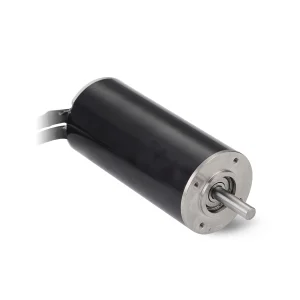
Traditional DC motors contain an armature consisting of copper windings wrapped around a slotted iron core. While effective, this iron mass introduces rotational inertia and magnetic drag known as cogging torque. In contrast, coreless motors employ a self-supporting, skew-wound cylindrical coil that rotates around a stationary magnet.
The benefits of this architecture are multi-dimensional:
- Zero Cogging Torque: Without an iron core, there is no magnetic attraction between the stator teeth and the rotor, resulting in ultra-smooth rotation even at fractions of an RPM.
- Ultra-Low Inertia: The light weight of the copper cup coil allows for rapid acceleration and deceleration, perfect for rapid start-stop sequences in medical dosing pumps and surveillance gimbal systems.
- High Efficiency: The lack of eddy current losses within the iron core permits electrical-to-mechanical conversion efficiencies often exceeding 85%.
B. Brushless DC (BLDC) Motors
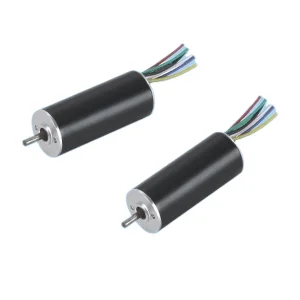
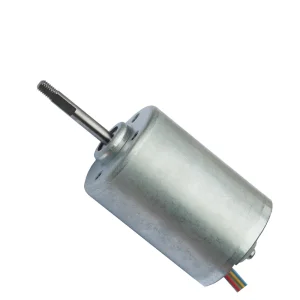
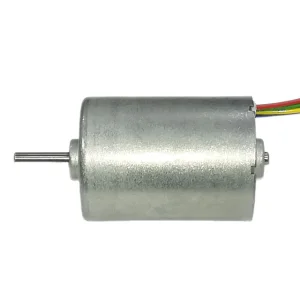
By moving the windings to the stator and the permanent magnets to the rotor, BLDC motors eliminate physical brushes entirely. Commutation is performed electronically via hall-effect sensors or back-EMF analysis. This design enables high rotational velocities, up to 100,000 RPM in specialized micro-actuators, making them the default choice for high-speed application niches such as vacuum turbines and drone propulsion.
C. Brushed DC & Gearbox Motors
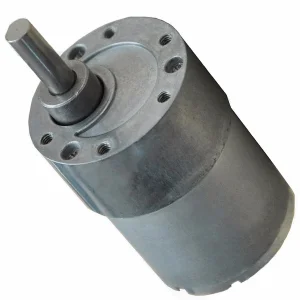
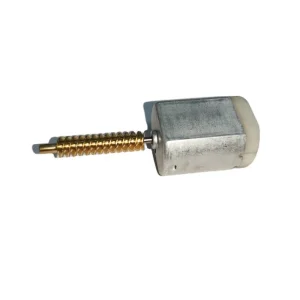
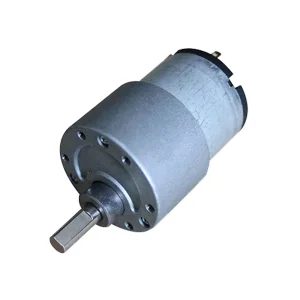
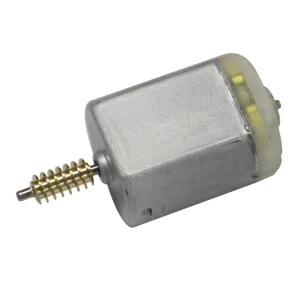
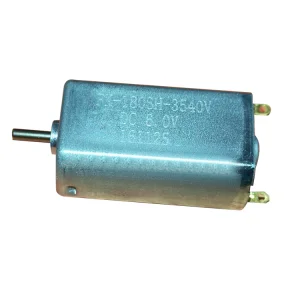
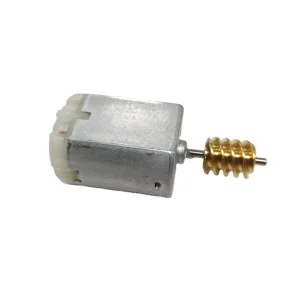
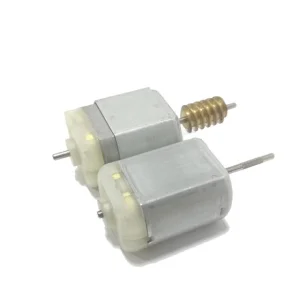
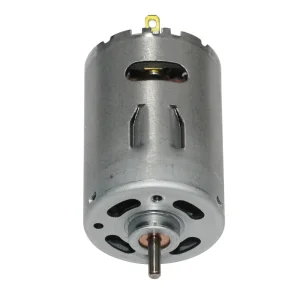
For applications where simple two-wire control and maximum starting torque-to-cost ratio are required, brushed DC motors (such as the FC-280 and RS-390 series) remain unmatched. When coupled with specialized spur or planetary gearboxes, they supply immense static and kinetic holding force, highly suited for automotive door lock systems, seat-back adjusters, and smart lock actuators.
3. China's Micro-Motor Manufacturing Ecosystem & Supply Chain Resilience
The comparative advantage of sourcing micro drives from China extends beyond competitive labor pricing. The key driver is the dense, vertically integrated industrial cluster situated in the Yangtze River Delta and Pearl River Delta regions.
In these regions, raw materials such as rare-earth permanent magnets (NdFeB), high-purity oxygen-free copper wire, and cold-rolled silicon steel sheets are sourced directly from domestic mines and refineries. This localization isolates our factory from global geopolitical raw material price spikes. Furthermore, specialized heat treatment, precision stamping, and automated tooling support facilities are all located within a 50-kilometer radius. This proximity enables us to move from custom designs to physical prototypes in weeks rather than months.
Rare-Earth Sourcing
Direct supply lines to high-grade NdFeB magnets ensure maximum magnetic flux density and high thermal stability without supply interruptions.
Vertical Integration
We manage all processes in-house: from automated winding to gear hobbing and dynamic balancing, avoiding multi-tiered subcontractor markups.
Global Logistics
Our proximity to major deep-water ports (Ningbo and Shenzhen) allows for streamlined container booking and customs clearance support.
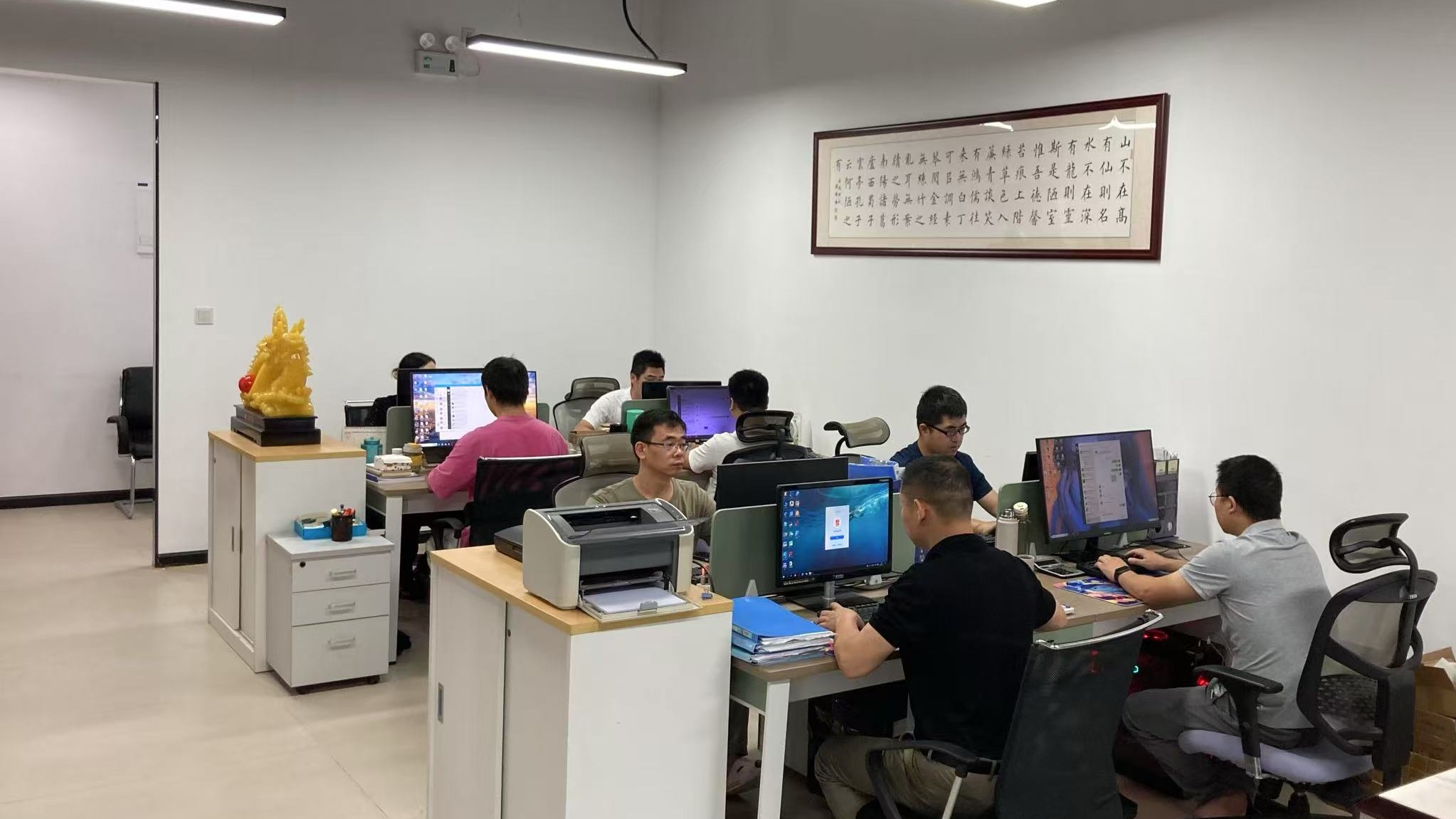
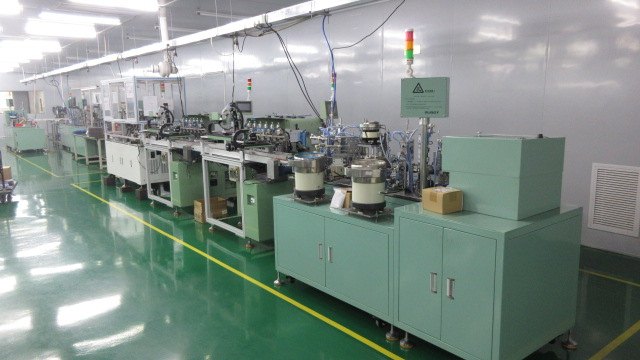
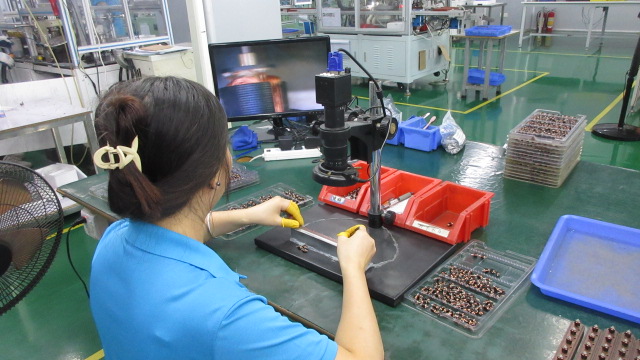
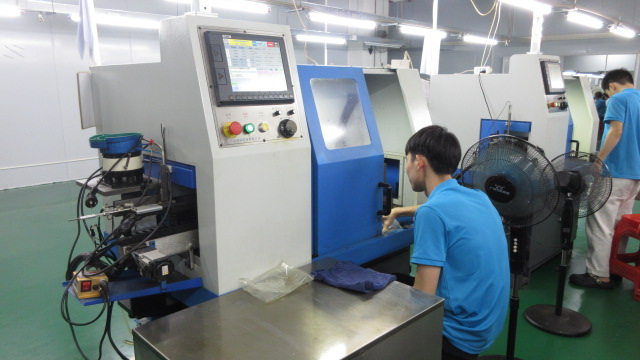
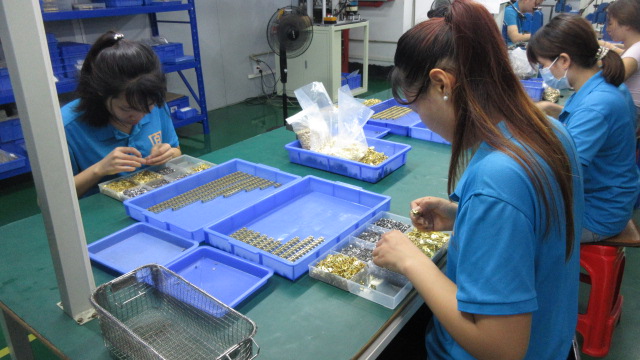
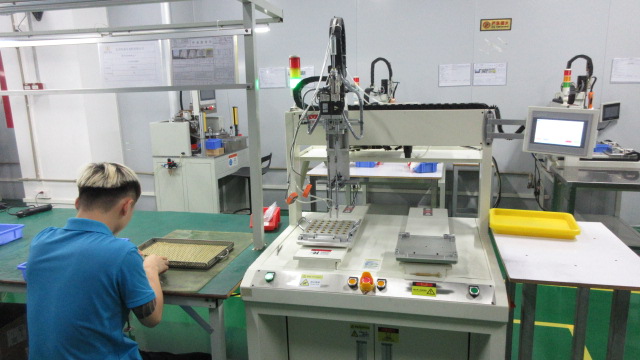
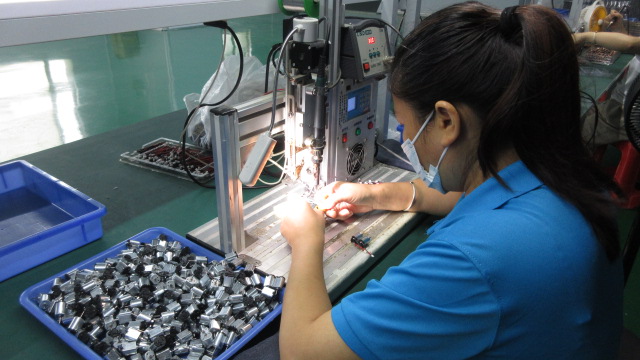
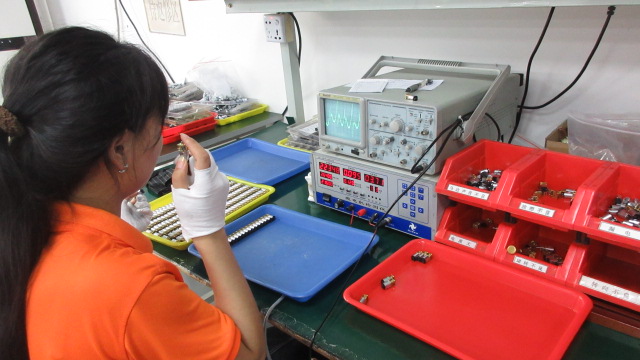
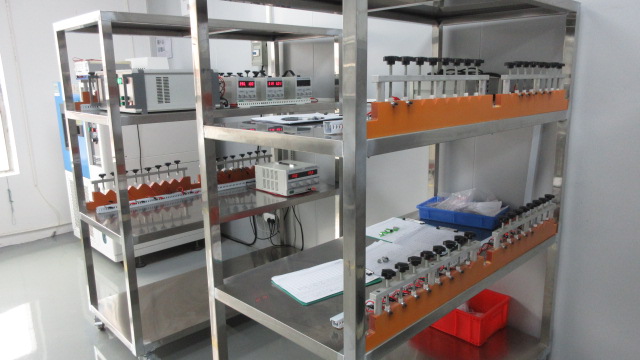
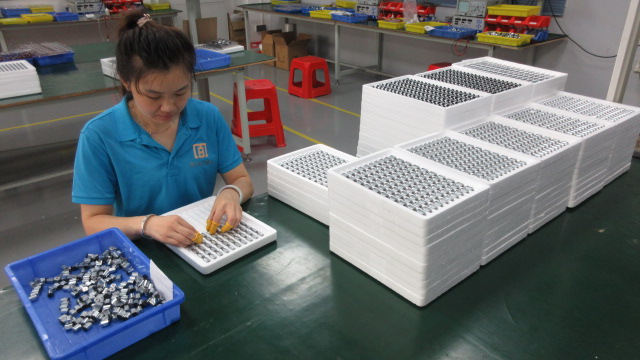
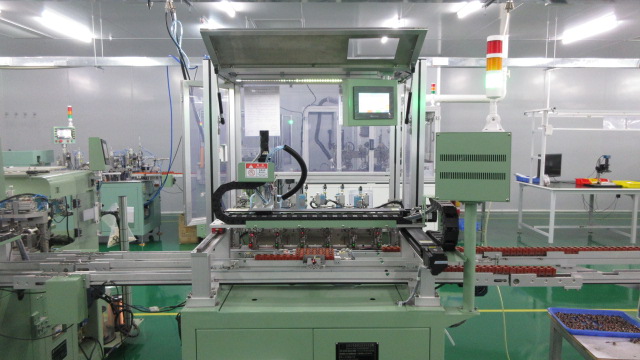
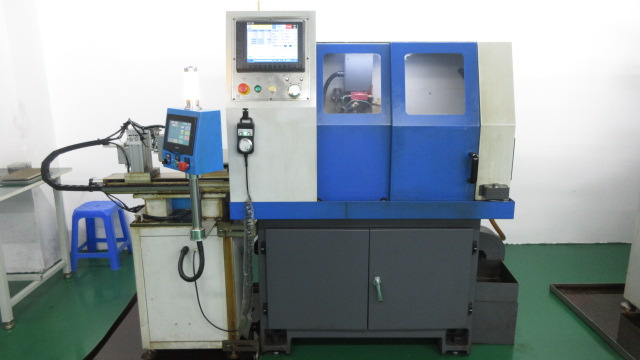
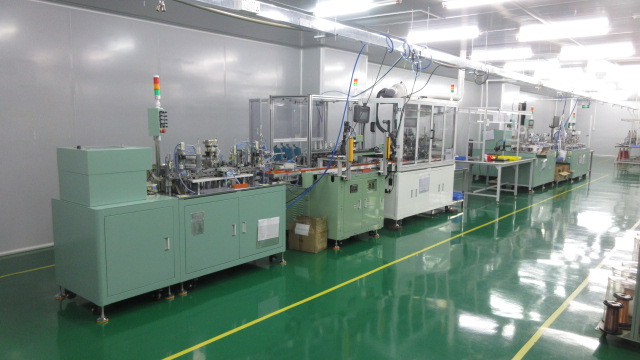
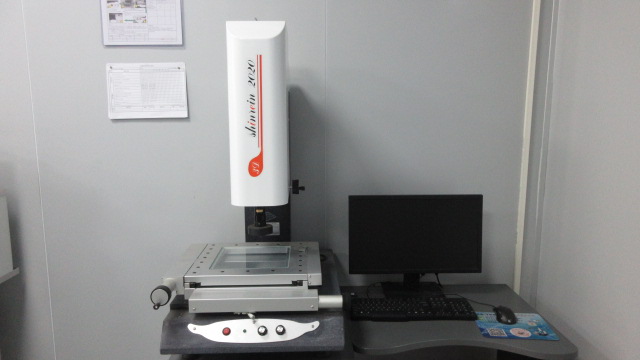
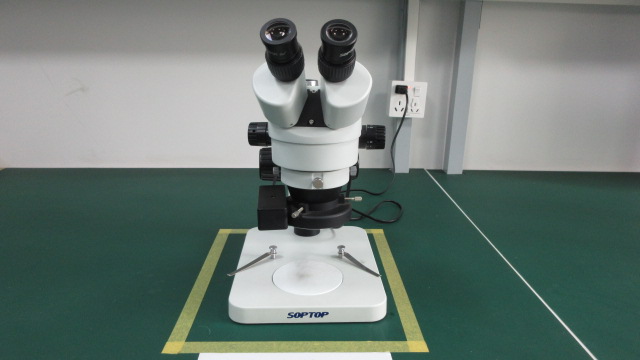
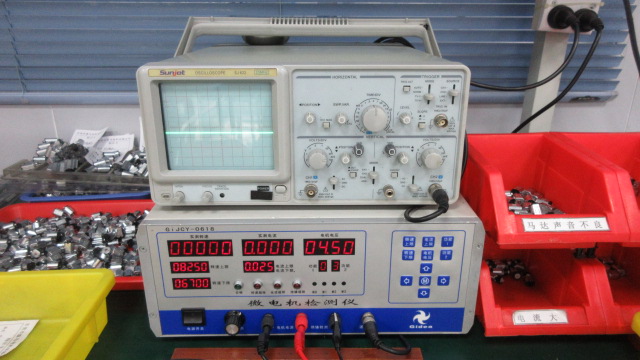
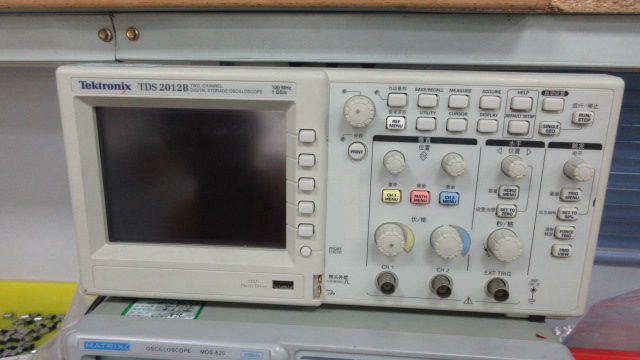
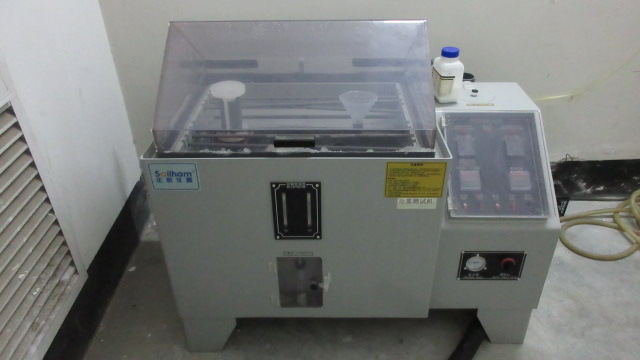
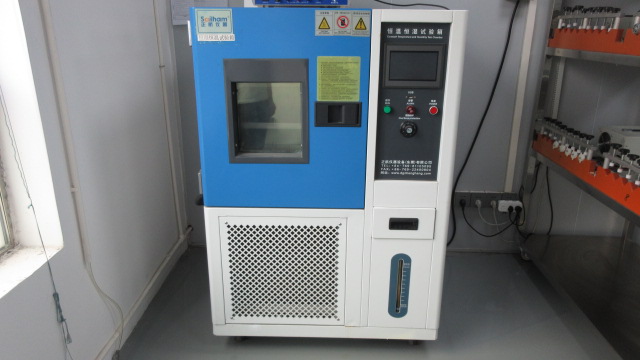
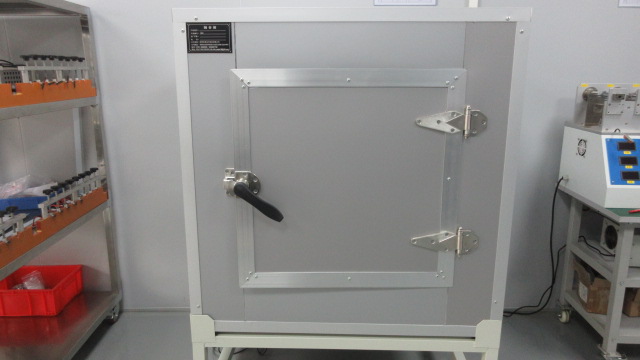
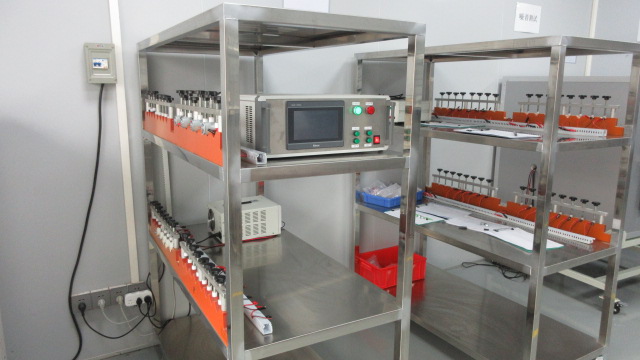
Advanced Manufacturing & QC Process Showrooms
Real factory images detailing the stages of automation, micro-machining, comprehensive stress testing, and packaging configurations.
4. Localized Application Scenarios of Precision Drive Motors
The applications of micro motors are vast and vary significantly by geographic region and consumer habits. Below, we break down how specific precision drive topologies serve localized engineering objectives around the globe.
A. Automotive Mechanisms (North America & Europe)
In Western markets, consumer demand for comfort and automation drives high usage of brushed DC motors in vehicle cabins.
- Automobile Door Lock Actuators: Utilizing the FK-280SA and FC-280SC series. These motors require high torque in a minimal footprint to engage child-safety and central locking systems within milliseconds. They are engineered to endure broad operational temperature limits (-40°C to +85°C) to withstand extreme winter climates in Northern Canada and hot summers in the American South.
- Automated Side Mirrors: Small, high-reduction gearmotors are integrated into rearview mirror assemblies to facilitate folding and glass adjustments. Reliability is paramount here, as these exterior motors are subject to rain, dust, and carwash pressures.
B. Medical Devices & Lab Automation (Central Europe & APAC)
The medical technology sector relies on high-grade coreless motors due to their zero-cogging characteristics and high responsiveness.
- Infusion & Insulin Pumps: Miniature 12mm coreless motors provide step-less, continuous torque delivery, allowing precise dosing down to microliters.
- Surgical Robotics: High-performance coreless servo motors (such as the customized 28mm brushless series) power multi-jointed robotic arms. These motors are paired with high-resolution magnetic encoders for micro-precision feedback loops during minimally invasive procedures.
C. High-Speed Personal Care & Consumer Electronics (Global Markets)
Modern high-speed personal care items have evolved from low-voltage brushed motors to multi-phase brushless configurations.
- 100,000 RPM Hair Dryers: The development of the 29mm ultra-high-speed BLDC motor allows consumer brands to manufacture quiet, lightweight hair dryers. They use sensorless vector control algorithms (Field-Oriented Control) to regulate airflow dynamically without overheating.
5. Technology Roadmap & Future Engineering Outlook (2025–2035)
The miniature drive industry is undergoing an evolutionary shift. As engineers demand higher power densities, we are tracking three primary technological trends that will shape the next decade of motion design.
6. Regulatory Compliance, Sustainability, and Localized Support
Exporting miniature motors globally requires adherence to international standards. Zelt Motor ensures that all custom runs and catalog motors are fully compliant with relevant import mandates:
- RoHS & REACH: All copper wire insulation, solder formulations, and plastic housing enclosures are certified free of hazardous compounds, guaranteeing safe distribution in the European Union.
- CE & FCC Compliance: Integrated drive systems (including BLDC motor speed control circuits) undergo strict electromagnetic compatibility (EMC) testing to limit radio frequency interference in industrial and residential settings.
- IATF 16949 Certification: To supply global Tier-1 automotive brands, our production systems follow strict quality assurance and continuous improvement tracking, matching standard PPAP (Production Part Approval Process) expectations.
Industrial Motion Control Q&A (FAQ)
Technical answers resolving common integration challenges, performance factors, and procurement workflows for procurement managers and mechanical engineers.
Featured Precision Motor Collection — Part II
Industrial-grade gear reductions, miniature coreless designs, and specialized worm-gear configurations for low-RPM, high-torque mechanisms.