Zelt Motor
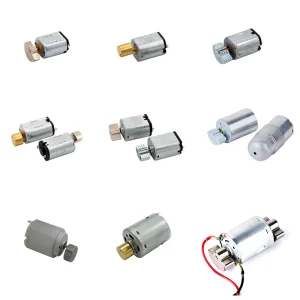
Featured Miniature & Actuator Drives
High-torque DC systems optimized for automotive locks, marine operations, and precise micro-actuation.
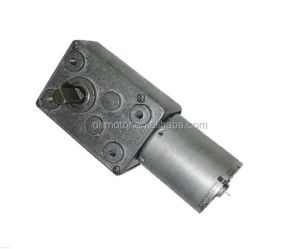
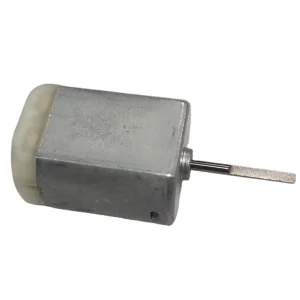
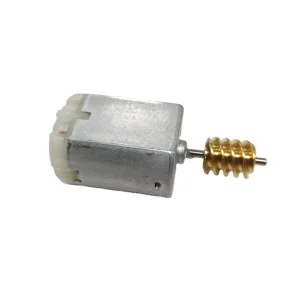
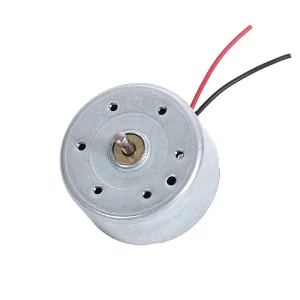
1. Linear Actuator Motor Engineering: The Core of Modern Motion Control
An analysis of micro-propulsion mechanisms, structural innovations, and standard requirements in industrial applications.
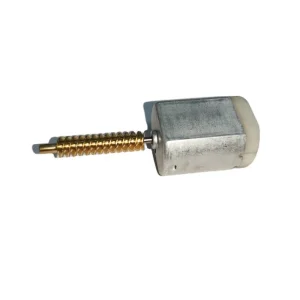
In modern industrial design, the conversion of rotational force to linear motion is a fundamental requirement across various engineering sectors. CE Certified linear actuator motors represent the intersection of mechanical efficiency, electrical optimization, and safety compliance. Standard motor designs rely on rotary components, but linear actuators integrate gearing systems—such as worm gears, planetary gearboxes, or lead screws—to produce linear force. This enables precise positional feedback, high torque retention, and reliable duty cycles.
Whether in automotive door latches, home appliance automation, or heavy-duty marine winches, selecting the proper motor involves assessing core metrics: torque density, commutation style (brushed vs. brushless), heat dissipation coefficients, and compliance certifications. Certified compliance, particularly the European Union’s CE mark, guarantees that these components meet strict electromagnetic compatibility (EMC) regulations, low voltage safety directives, and environmental protection rules. For international B2B purchasers, this compliance is not just a regulatory hurdle; it is a critical benchmark for quality control and global supply chain integration.
Direct B2B Integration with Zelt Motor
For over two decades, Zelt Motor has manufactured high-precision micromotors, developing robust supply systems to meet the technical demands of global Original Equipment Manufacturers (OEMs). By removing intermediaries and working directly from factory floor to global warehouse, we ensure engineering integrity and clear communication throughout the production process.
20+ Years of Manufacturing Heritage
Providing mature, repeatable production methods that minimize product defects in high-volume shipments.
100% Customized Solutions
We modify shaft geometries, coil configurations, electrical connectors, and gear ratios to match specific device requirements.

Technological Insight: Information Gain in Linear Gearing
Many off-the-shelf motors suffer from premature gear wear under high-torque, start-stop conditions, such as those found in automotive door actuators. Zelt Motor addresses this by using carbon-brush commutation, heat-treated steel worm gears, and synthetic lubricants. This design maintains low acoustic profiles and extends the motor's operating life under thermal stress.
2. Global Market Dynamics & Engineering Trends
Analyzing the shift toward brushless technology, micro-miniaturization, and energy-efficient designs.
The global actuator and micro DC motor industries are undergoing rapid evolution. Key technological trends driving this shift include:
The Transition from Brushed to Brushless DC (BLDC) Systems
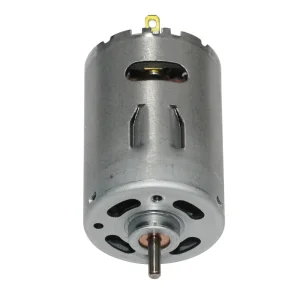
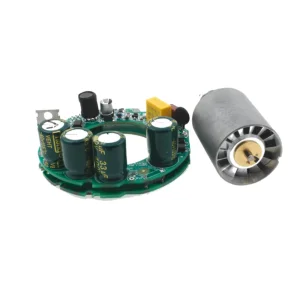
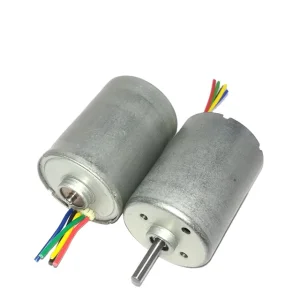
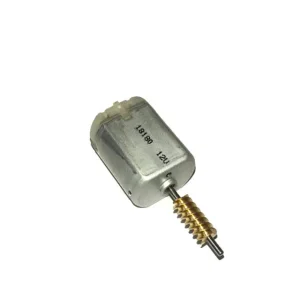
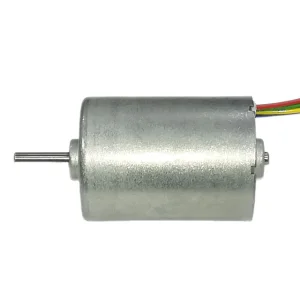
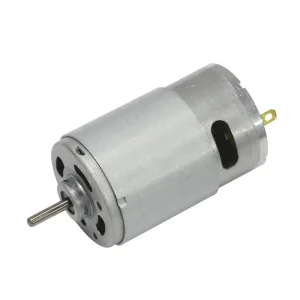
Brushed DC motors, like the classic FC-280SC and RS-540 series, remain highly popular due to their cost-effectiveness and simple drive electronics. However, the industry is increasingly moving toward BLDC motors for high-duty cycle applications. By removing physical brushes, BLDC systems eliminate mechanical wear, reduce electromagnetic interference (EMI), and lower maintenance needs. This transition is especially vital in aerospace, robotics, and medical devices, where failures are costly.
Demand for Miniaturization and High Torque Density
Modern applications require higher power output from smaller physical footprints. Design engineers must maximize torque density by optimizing winding layouts, utilizing high-grade neodymium magnets (NdFeB), and improving heat dissipation. In automotive door locks and tailgates, compact 12V DC motors must fit within narrow spaces while generating sufficient torque to operate reliably in sub-zero temperatures.
Smart Actuation & Closed-Loop Feedback Integration
Simple on/off control is no longer sufficient for complex modern automation. Modern linear actuator systems frequently incorporate Hall-effect sensors, encoders, or smart microcontrollers. These components provide precise real-time feedback on speed, direction, and shaft position, allowing for seamless integration into wider IoT and automation control networks.
3. China Factory 4.0: Supply Chain Resilience & Manufacturing Excellence
Combining highly automated assembly, rigorous quality control, and advanced testing capabilities.
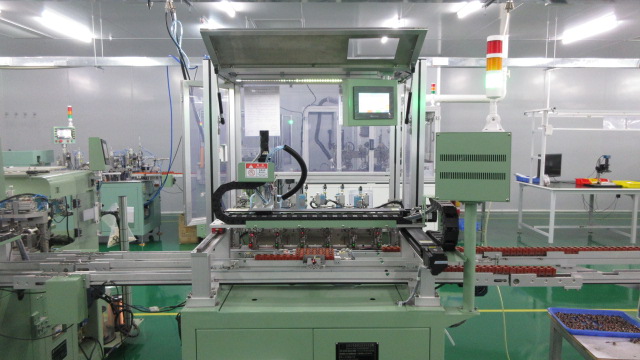
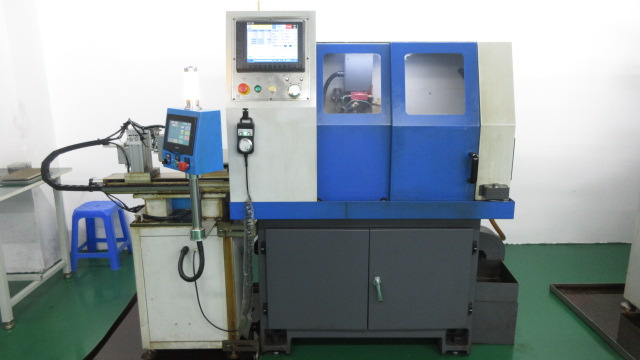
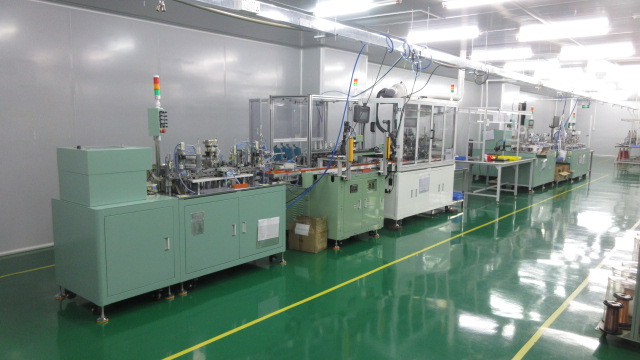
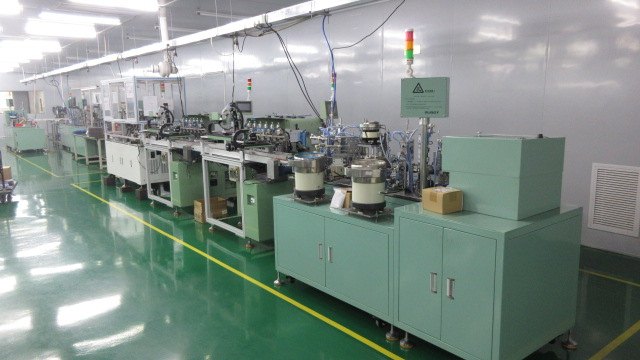
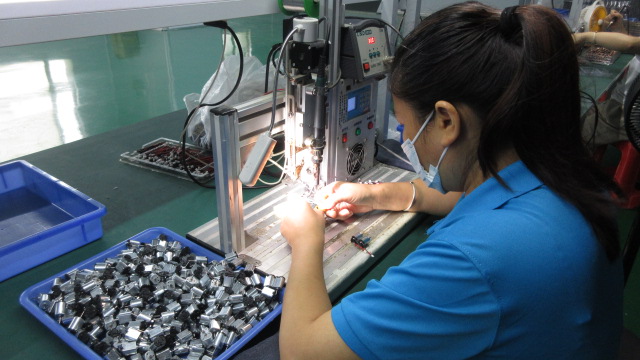
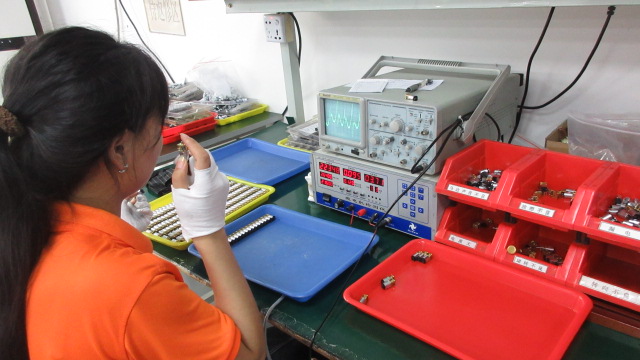
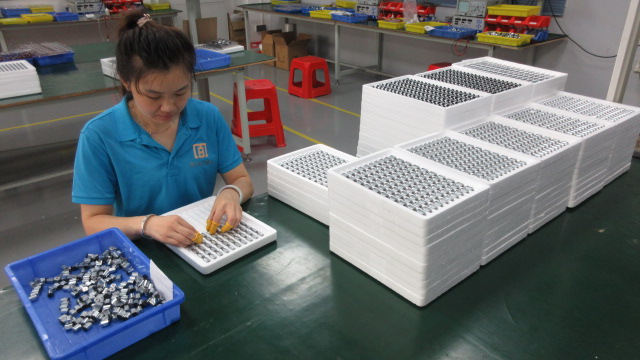
Modern manufacturing demands both speed and consistency. At Zelt Motor, we address these challenges through automated production systems and comprehensive testing workflows. By automating critical processes like winding and hobbing, we minimize human error and ensure that high-volume production runs meet strict tolerances.
Automated Manufacturing Operations
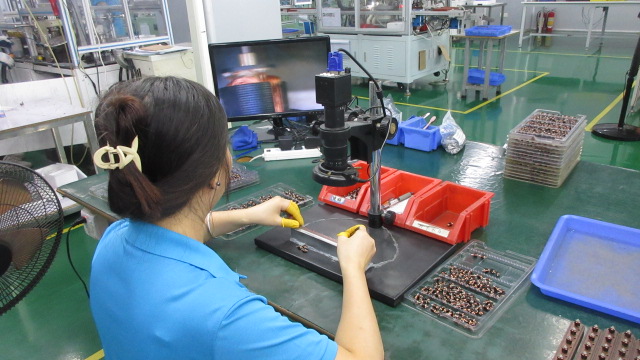
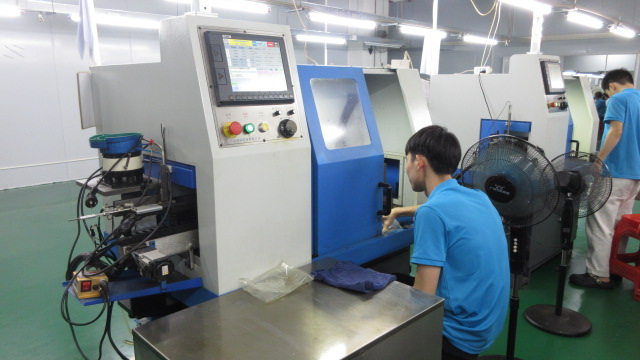
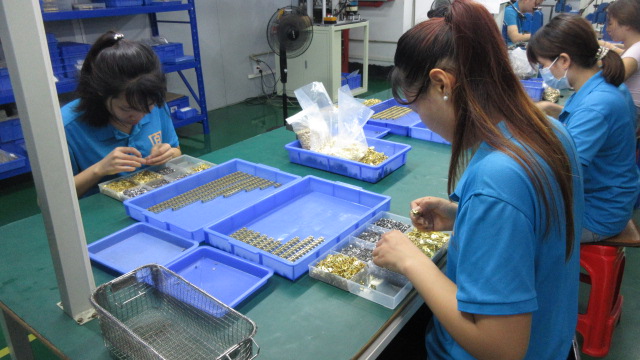
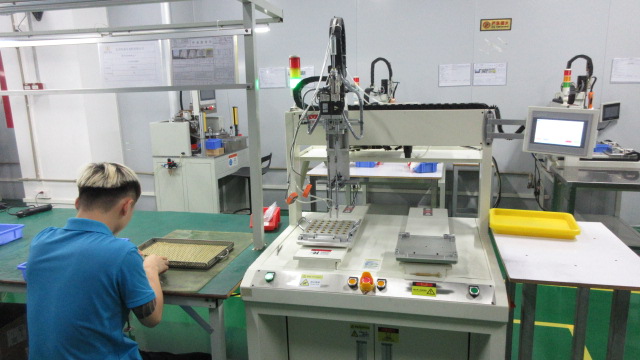
4. Comprehensive Quality Control Laboratory
Rigorous hardware inspection processes to verify performance metrics under extreme operating conditions.
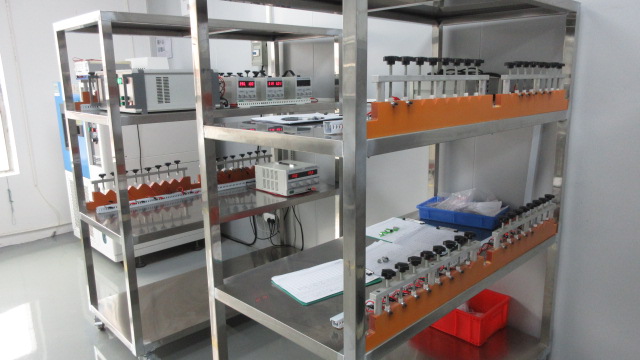
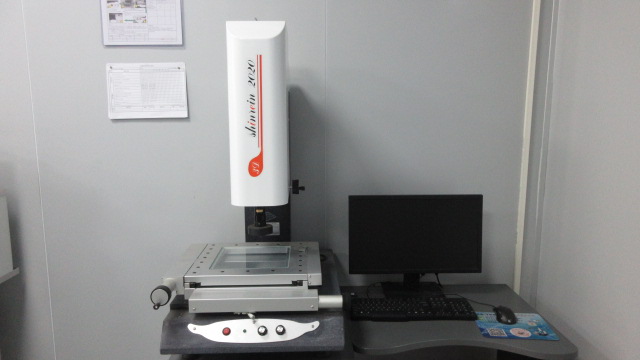
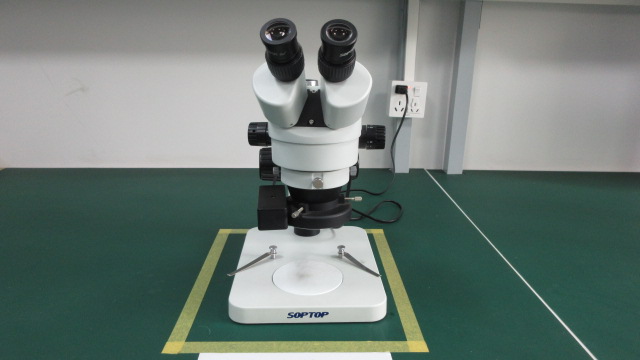
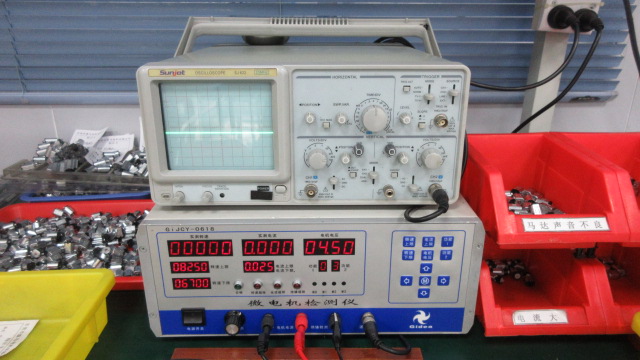
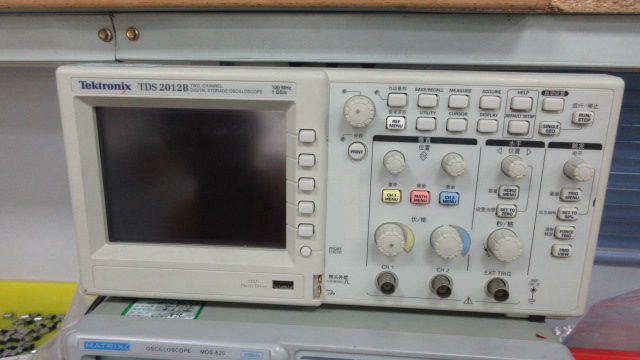
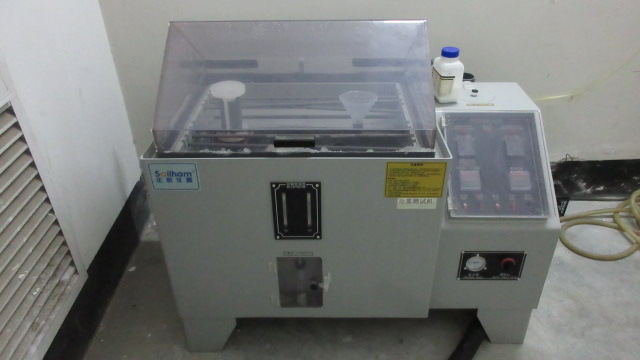
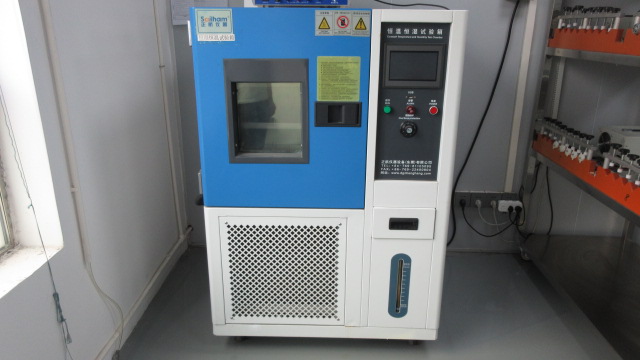
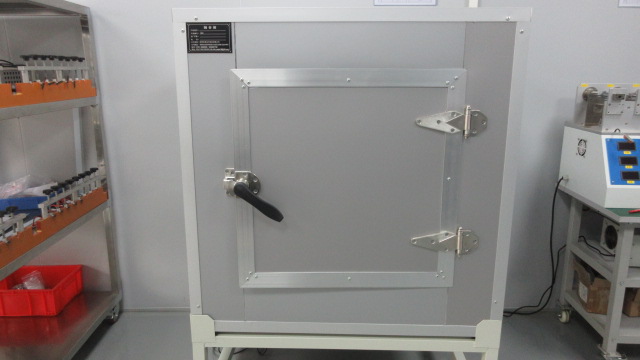
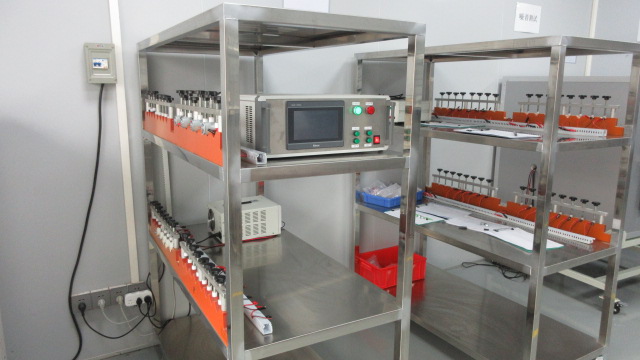
A reliable micro-motion system requires precise physical sizing and long-term durability under environmental stress. Zelt Motor maintains a dedicated in-house metrology lab to inspect raw materials, evaluate mechanical wear, and test finished assemblies. This facility ensures that all shipped motors comply with relevant CE directives.
5. Global Enterprise Procurement Criteria
Key considerations for design engineers and B2B sourcing managers when sourcing micro actuators.
B2B procurement of electric motors requires evaluating multiple parameters beyond the initial unit cost. Global companies must assess total cost of ownership (TCO) and ensure that components align with downstream manufacturing workflows. Sourcing teams typically prioritize the following engineering indicators:
Electromagnetic Compatibility (EMC) Compliance
CE Certification ensures the motor does not emit excessive high-frequency noise that could disrupt nearby electronic circuits, such as automotive CAN buses or medical diagnostic equipment.
Mechanical Shaft Durability & Tolerances
High-volume assembly lines require strict control over motor shaft diameters and mounting flange tolerances. Out-of-spec dimensions can lead to misalignment and premature failure.
Thermal Cycling and Environmental Sealing
Actuators used in outdoor environments, automotive doors, or marine craft must withstand extreme temperatures (-40°C to +85°C) and resist moisture ingress (often requiring IP54 to IP67 sealing).
Supply Chain Transparency & Traceability
Sourcing teams prefer partners with clear lead times, fully traceble material lines, and structured quality documentation (such as ISO 9001 and RoHS records).
6. Localized Application Scenarios & Engineering Solutions
How distinct drive configurations meet unique operational challenges across industries.
Automotive Locking Systems & Centralized Cabin Latches
In modern vehicles, door lock actuators require small, high-torque motors to drive the lock and latch mechanisms. Commutator systems like the 12V FC-280SC or FC280SC-20150 are commonly used here. These brushed systems deliver rapid, high-torque pulses to cycle the lock within milliseconds. Because these motors must function reliably for years in various climates, they feature specialized internal wipers and carbon brushes to resist corrosion from condensation and lubricant wear.
Personal Care Devices and Wearable Health Tech
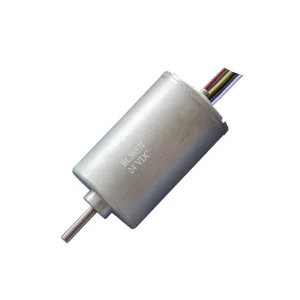
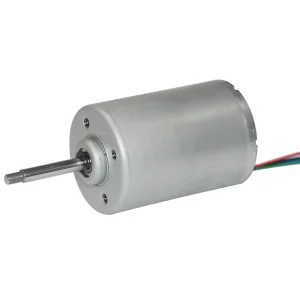
Devices like massage guns, therapeutic massagers, and high-velocity hair dryers require lightweight, high-RPM motors. Brushless models, such as the BL2838 or custom 29mm High-Speed BLDC systems (reaching up to 100,000 RPM), provide the necessary speed and thermal efficiency. Their low operational noise profile and lack of carbon dust generation make them ideal for personal care applications.
Industrial Automation, Winch Drives, and Heavy-Duty Gearing
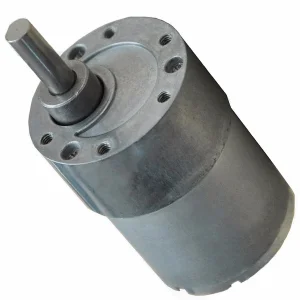
Heavier tasks, such as marine winches, automated conveyor systems, or low-speed valves, require robust gearing to handle high load forces. In these applications, motors like the RS-540 combined with multi-stage planetary or worm gearboxes reduce rotational speed (down to 5-100 RPM) while increasing output torque (up to 5kg.cm or more). This configuration provides the mechanical advantage needed to move heavy loads with minimal current draw.
7. Technical Q&A / Engineering FAQ
Expert answers to common engineering questions regarding micro actuator selection and compliance.
Additional Engineering & Industrial Motor Options
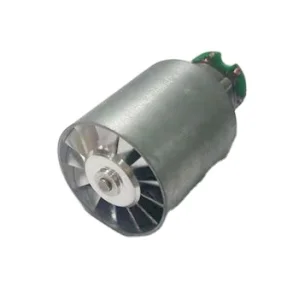
Explore brushless massager drives, high-velocity blowers, and geared positioning motors.