 Zelt Motor
Climate-Resistant Automotive Micro-Drive Solutions
Engineered to operate flawlessly under Sweden's demanding environmental conditions, ranging from extreme sub-zero temperatures to high-humidity cycles.
The Swedish Automotive Micro-Drive Landscape
Analyzing localized technical specifications, electrification trends, and harsh winter operations.
Sweden represents one of the most innovative and stringent automotive markets globally. Driven by industry flagships like Volvo Cars, Polestar, Scania, and NEVS, the Swedish automotive supply chain demands micro-drives and actuator motors that conform to absolute reliability standards. The transition toward electric vehicles (EVs) and software-defined vehicles (SDVs) in the Nordic region is accelerating. This shift changes how mechanical operations inside vehicles are powered, driving significant demand for micro DC motors in steer-by-wire subsystems, safety latches, ADAS sensor cleaning, thermal management flaps, and ergonomic cabin controls.
Furthermore, Sweden's geography poses extreme meteorological challenges. Vehicles must operate flawlessly in temperatures dropping to -40°C during northern winters in Kiruna, and endure heavy road-salting that causes accelerated corrosion. For automotive OEMs, procuring sub-standard micro-motors is not an option. Lock actuators, rearview mirrors, and steering columns must maintain structural and electrical integrity over the vehicle’s target lifetime of 15+ years.
Nordic Market Environmental Mandates:
- Extreme Cryo-Resistance: Low-temperature lubricating greases preventing gear stall at -40°C.
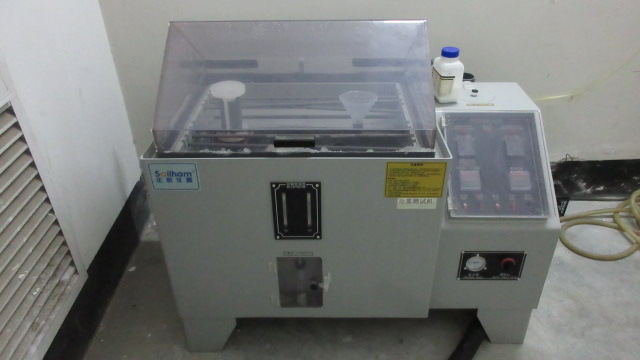
- Corrosion Prevention: Heavy salt-spray resistance (ISO 9227) for underbody and door-cavity components.
- Strict Decarbonization: Clean manufacturing pipelines in compliance with the EU Green Deal.
Technical Roadmap: Micro-Actuator Integration in Next-Gen EVs
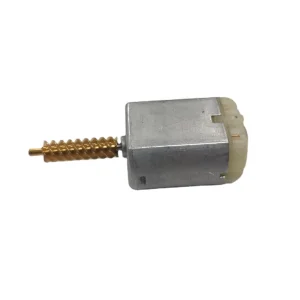
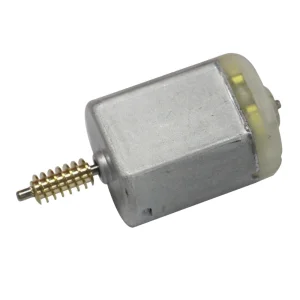
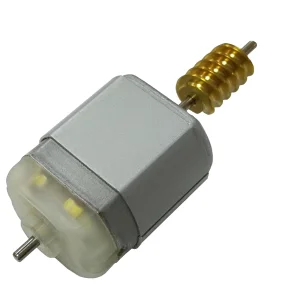
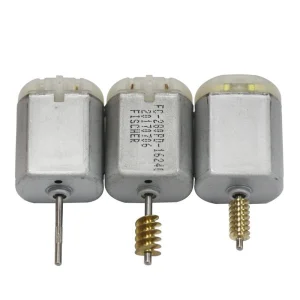
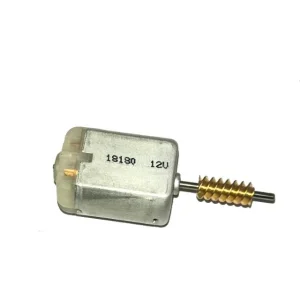
In modern vehicle architectures, micro DC motors such as the FC-280 and FK-280 series serve as the mechanical muscle behind automated sub-systems. The technology roadmap for these motors centers on optimization along three dimensions: power-to-weight ratio, electromagnetic compatibility (EMC), and commutation longevity.
To reduce overall vehicle weight and maximize EV battery range, motor casings have evolved into thin-gauge galvanized steel paired with high-flux permanent magnets (NdFeB or high-grade anisotropic Ferrites). This configuration enables high starting torque within extremely constrained packaging volumes, such as those found inside side mirror folding mechanisms or door handle retractors. Furthermore, the integration of electronic control units (ECUs) requires motors to feature built-in varistors or capacitor circuits to suppress electromagnetic interference (EMI), ensuring complete compliance with CISPR 25 Class 5 requirements standard in European vehicle designs.
"Sweden's transition to smart mobility means door lock actuators are no longer purely mechanical links. They are part of digital access systems. Micro-motors must respond to millisecond-level PWM pulses from central computers without lag, even in frozen door panels."
For systems like electronic steering locks (ESL/ELV), safety remains the paramount design metric. Utilizing permanent magnet brush DC motors (PMDC) with carbon brush commutation delivers a highly reliable, deterministic actuation curve. Zelt Motor incorporates high-copper graphite brush materials and high-precision copper commutators. This optimization maintains stable electrical contact resistance and prevents premature wear from micro-arcing over hundreds of thousands of duty cycles.
High-Torque Safety Actuation and Lock Motors
Engineered for high starting torque and absolute mechanical safety in locking columns and steering wheel controllers.
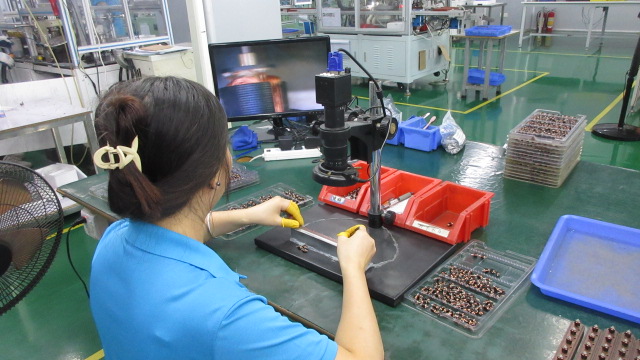
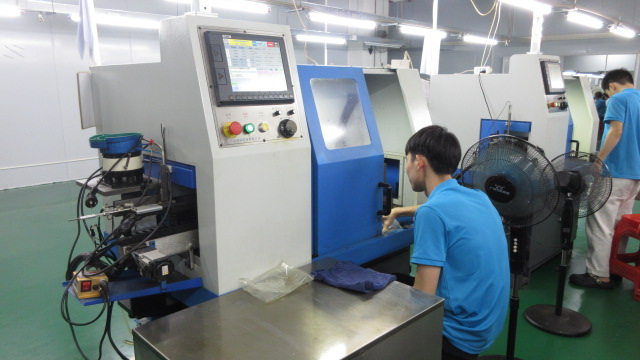
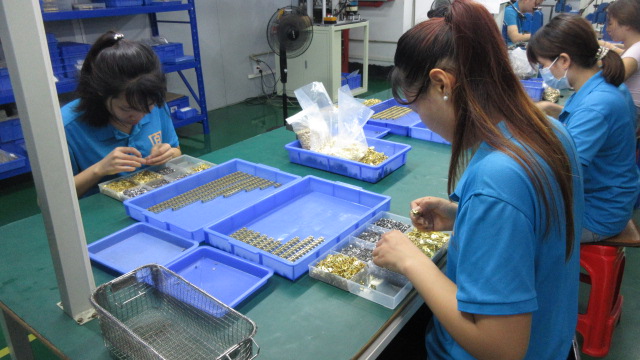
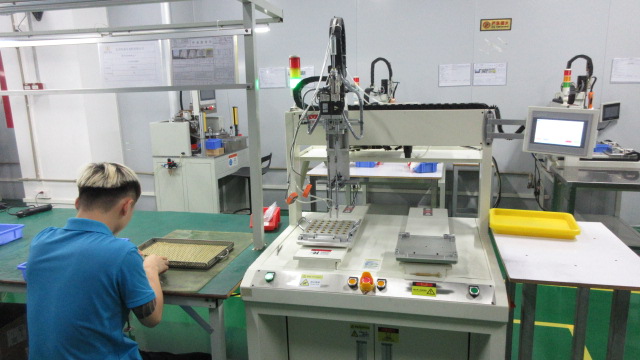
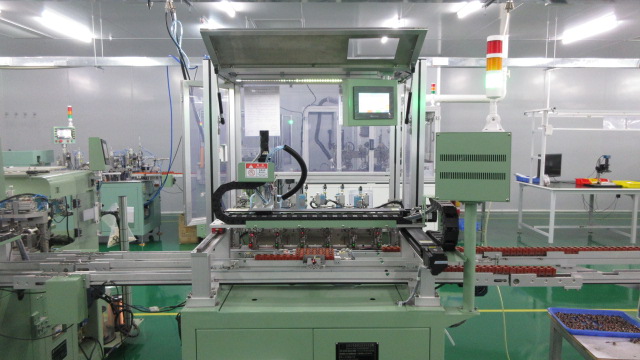
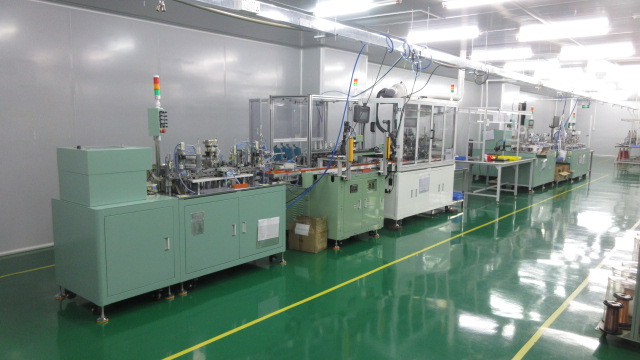
Inside Zelt Motor: Quality Management & Automation Hub
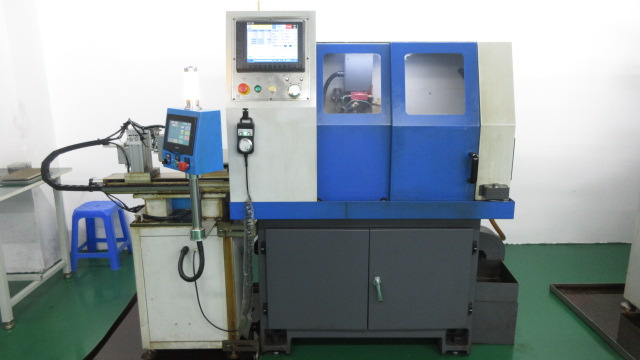
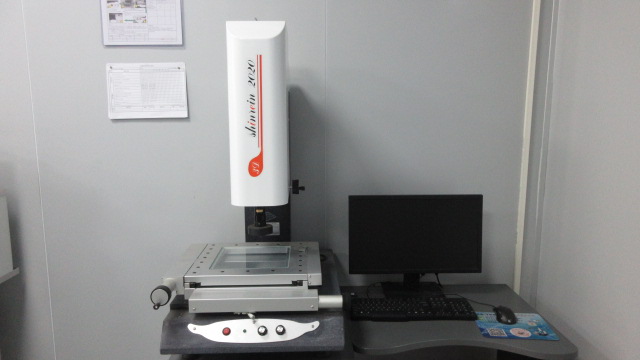
Uncompromising micro-engineering verified by high-precision measuring instruments and automated assembly lines.
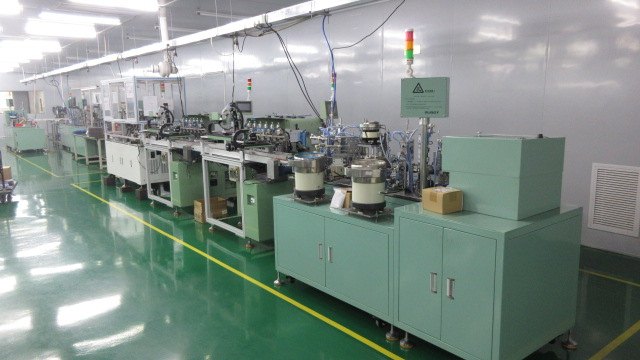
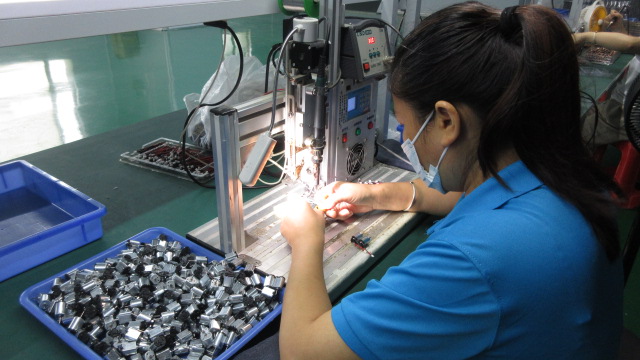
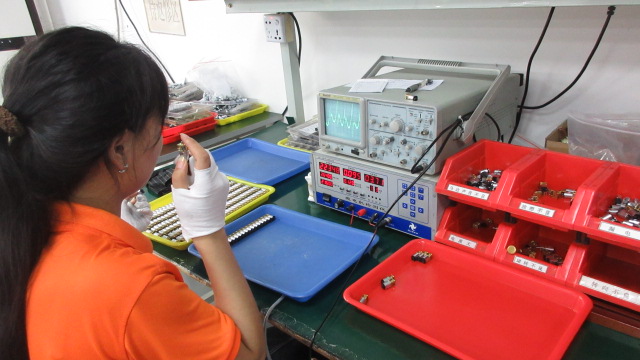
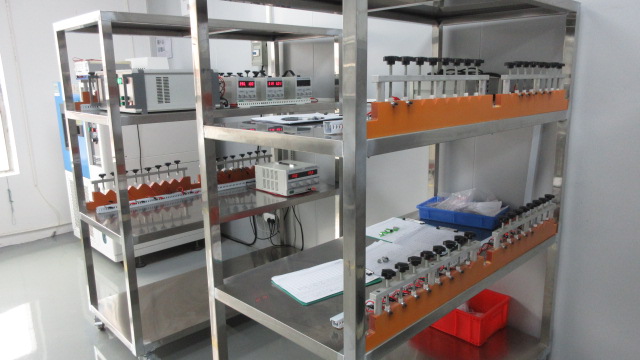
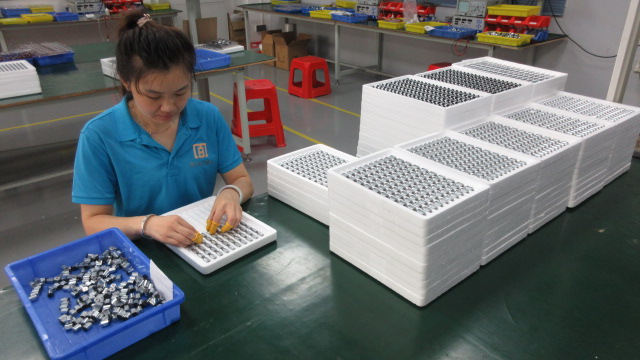
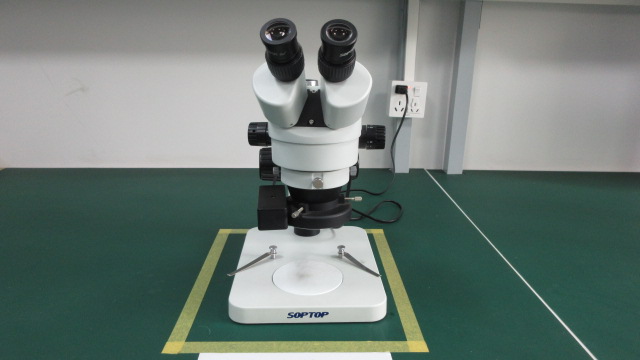
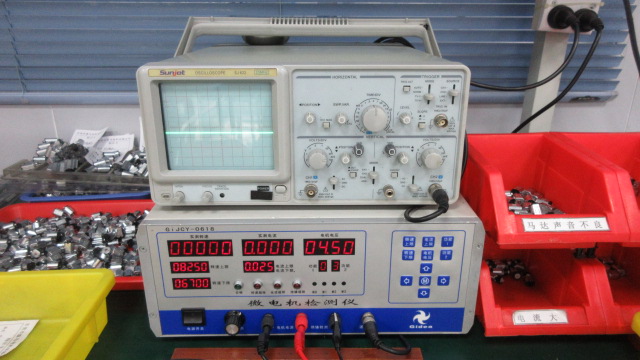
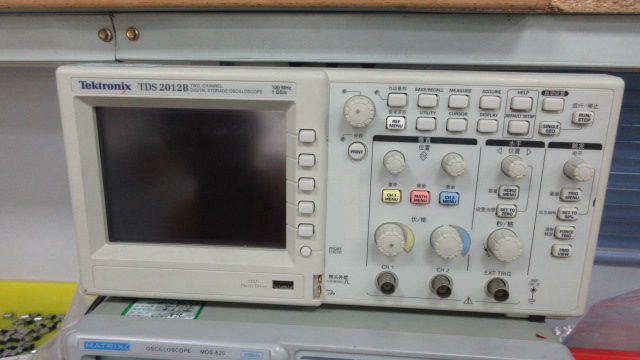
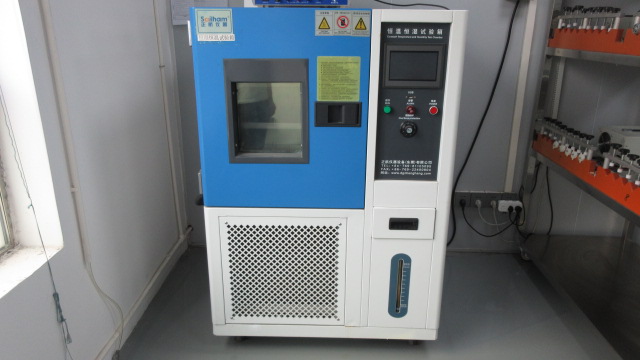
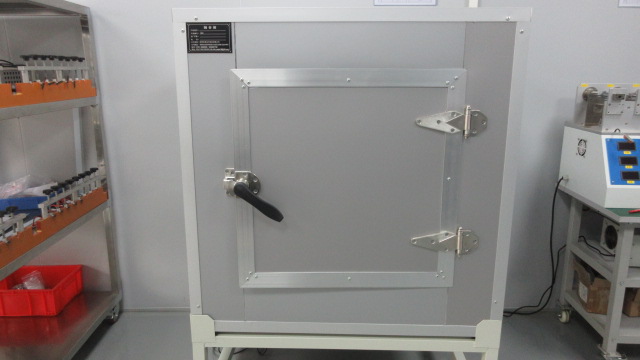
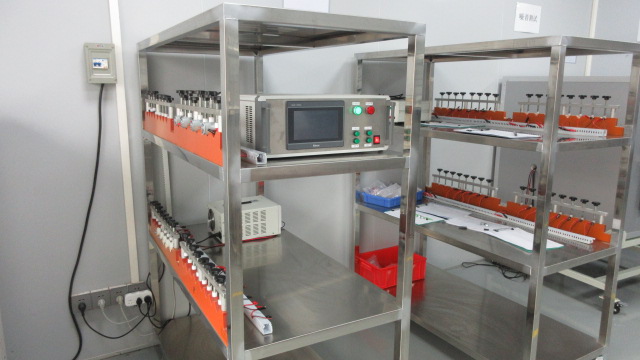
To successfully integrate with Swedish Tier-1 automotive systems, Zelt Motor has invested heavily in an Industry 4.0 Smart Factory model. We bridge the gap between high-volume efficiency and micron-level accuracy. The production pipeline is built to ensure repeat stability and zero-defect delivery across large production batches. This process is monitored in our quality laboratories utilizing Coordinate Measuring Machines (CMM) and specialized automotive test chambers.
Why Leading Global OEMs Partner with Zelt Motor Micromotor:
-
20+ Years of Industry Heritage: Deep manufacturing expertise providing mature, stable, and repeatable production quality.
-
100% Tailored Customization: Rapid prototyping services that quickly modify speed, torque, voltage, shaft shapes, and integrated electronics to match your exact device enclosure.
-
Uncompromising Quality Control: Modern automated assembly lines paired with rigorous testing environments ensuring micrometer-level accuracy and zero-defect delivery.
-
Seamless B2B Integration: Factory-direct communication, transparent lead times, and dedicated English-speaking technical support for hassle-free global collaboration.

Production Floor & Laboratory Testing Processes
Mitigating B2B Procurement Risk & Ensuring EU Environmental Compliance
Swedish Tier-1 suppliers operate under stringent regional policies, including the EU End-of-Life Vehicles (ELV) Directive, REACH, and RoHS regulations. These frameworks restrict heavy metals (lead, cadmium, mercury, and hexavalent chromium) in electromechanical parts. At Zelt Motor, our raw materials undergo strict validation. Commutators, varistors, and magnets are screened for chemical compliance before entering the automated winding and assembly line. We provide comprehensive PPAP (Production Part Approval Process) Level 3 documentation, IMDS (International Material Data System) filings, and REACH declaration certificates to streamline our partners' incoming quality checks (IQC).
Furthermore, supply chain resilience is critical. By sourcing directly from our facility, European distributors and Swedish OEMs eliminate intermediaries. We manage shipping logistics via maritime freight through the Port of Gothenburg (Göteborg) or direct air-freight channels. This ensures delivery timelines are predictable and integrated into your Just-In-Time (JIT) production lines.
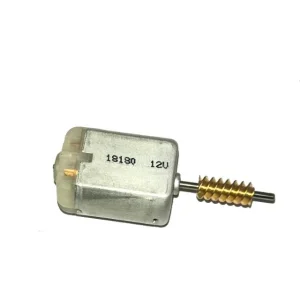
High-Precision Motors for Locking, Mirror Systems & Trim Controls
Explore our highly standardized PMDC configurations, designed for multi-platform integration across electric, luxury, and commercial vehicles.
Modular Customization to Fit Swedish Automotive Platforms
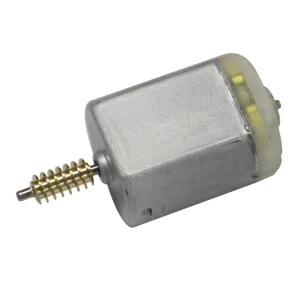
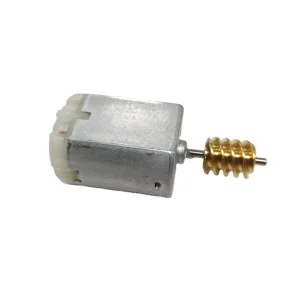
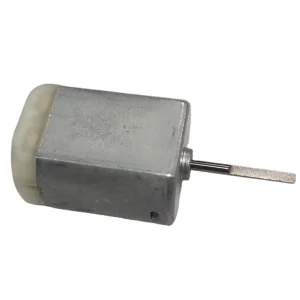
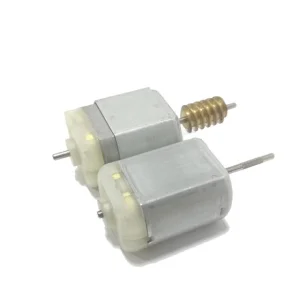
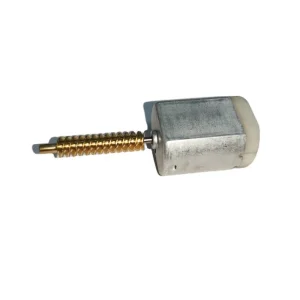
In B2B micro-drive sourcing, standard catalog parts rarely meet 100% of a platform’s functional specifications. Zelt Motor operates a modular design platform. We customize mechanical and electrical interfaces, including shaft configurations (D-shape, knurled, round, or customized integrated worm gears), connection leads, connector terminals, and customized mounting flanges. This flexibility helps minimize integration complexity for Tier-1 assembly lines.
Our engineering team works closely with automotive engineers to optimize motor performance parameters. This includes adjusting speed profiles, torque curves, and stall currents to match target control algorithms, ensuring quiet operation, long life, and high power density.
Frequently Asked Questions (FAQ)
Expert insights on micro-motor technology, customization capabilities, and B2B procurement operations.